Do you skip sunscreen because it leaves your face shiny, or because it seems to trigger new breakouts? It's a common worry, but going without protection isn't the answer: sun exposure can darken acne marks and make post-breakout discoloration last longer. The real fix is choosing the best sunscreen for oily and acne-prone skin — a lightweight, broad-spectrum formula your skin tolerates. This guide covers what to look for, how to apply it, how to tell good formulas from pore-clogging ones, and how to fit it into an acne routine.

What Is the Best Sunscreen for Oily and Acne-Prone Skin?
The best sunscreen for oily and acne-prone skin is a broad-spectrum formula with SPF 30 or higher, ideally labeled non-comedogenic, with a lightweight texture your skin tolerates. Choose a water-resistant version if you sweat or swim, and patch-test first if your skin is sensitive.
No single product suits everyone. The best choice depends on how sensitive your skin is, which ingredients you tolerate, and how well the formula fits your acne treatment. Sunscreen also doesn't treat breakouts on its own — but it helps prevent sun exposure from making dark marks worse.
Quick Facts: Sunscreen for Oily and Acne-Prone Skin
|
What to Check |
What to Look For |
|
SPF |
SPF 30 or higher, broad-spectrum (UVA and UVB protection) |
|
Texture |
Gel, fluid, or lightweight lotion often suits oily skin, though the full formula matters |
|
Acne-prone skin |
"Non-comedogenic" on the label — helpful, but not a guarantee for everyone |
|
Sensitive skin |
Mineral formulas with zinc oxide or titanium dioxide may suit some people |
|
Reapplication |
Every 2 hours outdoors, and after swimming or sweating, per product directions |
|
Dark marks |
Consistent daily use helps limit sun-related darkening of acne marks |
These criteria align with general guidance from the American Academy of Dermatology.
Why Does Oily Skin Need Its Own Sunscreen Approach?
Oily skin produces more sebum, the natural oil that lubricates the skin. Excess sebum can go hand in hand with clogged pores, blackheads, and breakouts in some people.
Heavy creams can make shine worse, and some formulas leave a visible white cast or a greasy film. That's why a light, easy-to-spread texture usually works better — one that doesn't leave a heavy, oily feeling.
At the same time, an oil in an ingredient list doesn't automatically cause acne, and "oil-free" doesn't automatically mean a product will suit you. Your own skin's response is the real test.
Sunscreen vs. Sunblock: What's the Difference?
People often say "sunblock" to mean sunscreen, but "sunscreen" is the more accurate term — no product blocks 100% of ultraviolet rays.
Sunscreens fall into two main groups based on their active ingredients:
-
Mineral (physical) sunscreens: Usually use zinc oxide or titanium dioxide, and can be a good option for sensitive skin.
-
Chemical (organic) sunscreens: Use filters that absorb UV rays, and often come in thin, lightweight textures that suit oily skin.
Both types can protect well when they meet the SPF and broad-spectrum requirements and are applied correctly.
What Are the Benefits of Sunscreen for Oily, Acne-Prone Skin?
Daily sunscreen helps protect against UV damage — sunburn, dark spots, and premature aging — without forcing you to give up your acne routine.
-
Limits dark marks: Helps keep post-acne marks from getting darker, especially when applied consistently and reapplied.
-
Protects against sunburn: The right SPF reduces the UV exposure that causes redness and burning.
-
Slows premature aging: Regular protection lowers cumulative UV exposure linked to wrinkles and sun spots.
-
Supports your acne routine: Some acne treatments make skin more sensitive or irritated, so daily protection matters even more.
-
Helps control the look of skin: Formulas with a matte finish can reduce shine through the day.
-
Supports sensitive skin: A fragrance-free formula that suits your skin can lower the chance of irritation.
-
Long-term prevention: Correct, consistent use is part of reducing UV-related skin damage over time.
It's important to separate protection from treatment: sunscreen isn't a standalone treatment for blackheads or acne, and it won't make existing marks disappear.
Who Should Use a Sunscreen Made for Oily Skin?
Lightweight formulas suit a range of skin types, but you should identify your skin's needs first — especially if you're sensitive or on a prescribed treatment.
-
Oily skin: A gel or fluid with a light finish may work well.
-
Acne-prone skin: Look for products labeled non-comedogenic.
-
Combination skin: You may need a light formula that hydrates without adding shine to the forehead, nose, and chin.
-
Sensitive, oily skin: A fragrance-free formula, tested on a small area first, is a sensible start.
-
Skin with post-acne marks: A tinted sunscreen containing iron oxides may help protect against visible light, which can worsen discoloration.
-
Skin on acne treatment: Needs daily, treatment-compatible protection to limit the effects of sun exposure.
Dry skin may need a more hydrating formula, and anyone with eczema or frequent allergic reactions should choose carefully, with a dermatologist's guidance if needed.
How to Choose the Best Sunscreen for Oily Skin Without Dryness or a White Cast

Five factors matter most: SPF, broad-spectrum coverage, texture, pore-clogging potential, and how well your skin tolerates the ingredients.
1. SPF level
Choose SPF 30 at minimum, and make sure the label says Broad Spectrum, meaning it protects against both UVA and UVB rays.
2. A lightweight texture
Look for a fluid, gel, or light emulsion if shine bothers you. But don't judge a product by texture alone — how it behaves on your skin is more important than the marketing name.
3. Non-comedogenic claims
Search for non-comedogenic or won't clog pores on the label. It helps narrow your options, though it doesn't mean the product can never cause breakouts for anyone.
4. Ingredients for sensitive skin
If your skin reacts easily, a fragrance-free formula may be better. A mineral sunscreen with zinc oxide or titanium dioxide is also worth trying, especially if other formulas have irritated you.
5. Avoiding a white cast
Some mineral sunscreens leave a pale cast, especially on deeper skin tones. Look for sheer or tinted formulas that suit your skin color, and check the protection level printed on the package.
How to Apply Sunscreen Correctly on Oily Skin
You get the best protection by applying enough sunscreen, spreading it evenly over all exposed skin, and reapplying regularly — choosing the product is only half the job.
-
Cleanse your skin: Use a gentle cleanser suited to your skin, without scrubbing hard.
-
Moisturize if needed: Choose a lightweight, non-comedogenic moisturizer if your skin needs hydration.
-
Let products settle: Give earlier layers a moment to sink in to reduce pilling.
-
Apply sunscreen generously: Cover the face, neck, ears, and any exposed areas, including the hairline.
-
Apply before going out: About 15 minutes before sun exposure, if the product label says so.
-
Reapply: Every 2 hours outdoors, and after swimming, sweating, or towel-drying, per the label.
-
Add other protection: Use shade, protective clothing, and sunglasses, especially when UV is strongest.
How Much Should You Use on Your Face?
Use enough to cover your face evenly without leaving gaps. The practical amount varies by texture and face size, but avoiding shine should never lead you to apply less than recommended.
Tip: If sunscreen pills or balls up over your moisturizer, try fewer layers or change the order of your products — don't cut back on the sunscreen itself.
Warning: Don't rely on makeup with SPF alone unless you apply enough of it to reach the protection printed on the label.
What Ingredients Can You Combine with Sunscreen?
You can pair sunscreen with a suitable moisturizer and acne treatments that fit your skin, as long as you avoid irritation from too many products or incompatible actives at once.
Ingredients That Work Well in a Balanced Routine
-
Niacinamide: May support the skin barrier and improve skin's appearance; usually fine to use before sunscreen if your skin tolerates it.
-
Hyaluronic acid: Helps attract water to the surface layers of skin, useful if skin feels dehydrated.
-
A lightweight moisturizer: Reduces dryness, especially when using acne treatments.
-
Prescribed acne treatments: Can be continued as directed by your doctor, with sunscreen in the morning.
Ingredients That Need Care
Some acne treatments, such as topical retinoids and benzoyl peroxide, can cause dryness or irritation. How to handle them depends on the treatment, its strength, and your doctor's instructions — not on stopping them automatically when you start sunscreen.
If you use exfoliating acids like salicylic acid, avoid stacking multiple exfoliants, especially if skin is red or flaking.
Are There Ingredients to Avoid Completely?
There's no single list that bans every ingredient for all oily skin. It's better to identify what actually causes a reaction for you, read the label, and stop any product that clearly irritates your skin until you've had it evaluated.
Remember: sunscreen protects against UV rays, but it doesn't replace proper acne treatment or hydration when needed.
When Will You See Results from Daily Sunscreen?
Protection starts as soon as you apply sunscreen correctly, but improvement in dark marks or overall skin appearance takes time, and there's no fixed timeline for everyone.
|
Timeframe |
What to Expect |
|
Day of use |
The product's stated protection, when applied in the right amount |
|
First few weeks |
You'll see whether the texture suits your skin and whether it causes irritation or more breakouts |
|
After several weeks |
Fewer new dark spots may appear if protection is consistent, depending on sun exposure |
|
Over several months |
Some acne marks may fade gradually; stubborn marks may need extra dermatologist-guided treatment |
Does Sunscreen Remove Acne Marks?
No. Sunscreen doesn't remove acne scars or pits, and it doesn't directly erase existing discoloration. It helps prevent some sun-related dark marks from getting worse and supports the results of treatments aimed at discoloration.
If new breakouts keep appearing, don't assume sunscreen is the only cause — hormones, other products, and the nature of your acne all play a role.
Important: Don't judge a sunscreen by shine alone. What matters is consistent protection, no noticeable irritation, and a formula that suits your skin.
Common Mistakes When Choosing Sunscreen for Oily Skin
The most common mistakes are relying on texture alone, applying too little, skipping reapplication, and expecting sunscreen to treat acne by itself.
|
Mistake |
What to Do Instead |
|
Choosing based only on "oil-free" |
Check SPF, broad-spectrum coverage, non-comedogenic wording, and how your skin tolerates it |
|
Using too little to avoid shine |
Use the recommended amount and switch to a lighter formula if shine bothers you |
|
Applying only once in the morning |
Reapply every 2 hours outdoors and after swimming or sweating |
|
Thinking a high SPF means no reapplication |
A higher SPF doesn't remove the need to reapply |
|
Skipping sunscreen on cloudy days |
Keep protecting your skin — clouds don't remove UV rays |
|
Switching products constantly |
Don't try several new products at once, or you won't know which one irritates your skin |
|
Treating "water-resistant" as permanent |
No sunscreen is waterproof; the label states how many minutes of resistance it offers |
What Types of Sunscreen Suit Oily and Acne-Prone Skin?
The best options combine broad-spectrum protection, a suitable texture, and a low chance of clogging pores, while respecting your skin's sensitivity.
|
Sunscreen Type |
Key Strengths |
Best For |
Watch For |
|
Gel sunscreen |
Light texture, often less greasy |
Oily skin that dislikes heavy creams |
Check ingredients and tolerance |
|
Fluid sunscreen |
Spreads easily in many formulas |
Oily and combination skin |
Finish varies by product |
|
Mineral sunscreen |
Uses zinc oxide or titanium dioxide |
Some sensitive skin |
May leave a white cast |
|
Tinted sunscreen |
Iron oxides may help with visible light |
Skin prone to discoloration |
Pick a shade that suits your skin tone |
|
Water-resistant sunscreen |
Suits swimming and sweating |
Outdoor activity |
Reapply per the label |
How to Choose From This List
-
Very oily skin: Start with a gel or fluid labeled non-comedogenic.
-
Sensitive skin: Look for a fragrance-free formula; a mineral one may suit you.
-
Dark marks after breakouts: Consider a tinted sunscreen with iron oxides plus broad-spectrum protection.
-
Active lifestyle: Choose a water-resistant formula and follow the reapplication time on the label.
A product being described as suitable for oily skin doesn't guarantee it will prevent breakouts, so base your choice on how your skin handles it and on the protection standards.
Which Altesse Soin Products Fit This Routine?

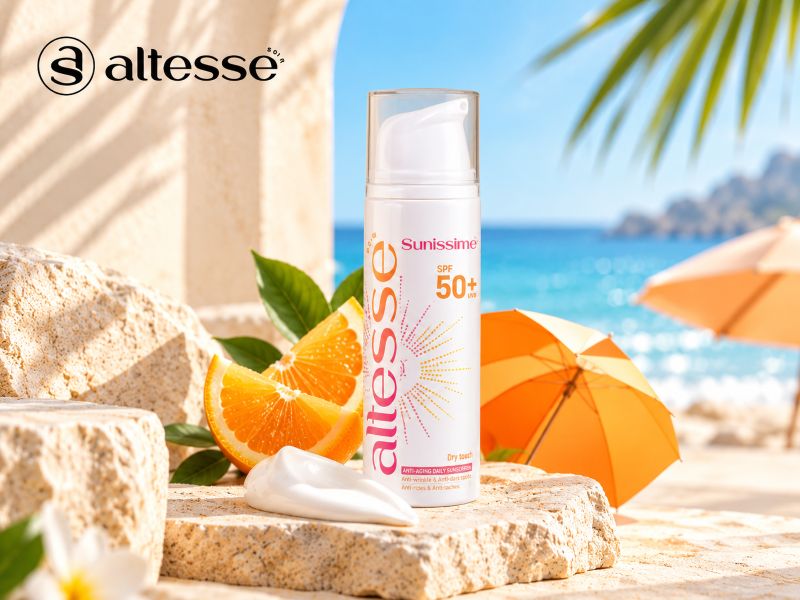
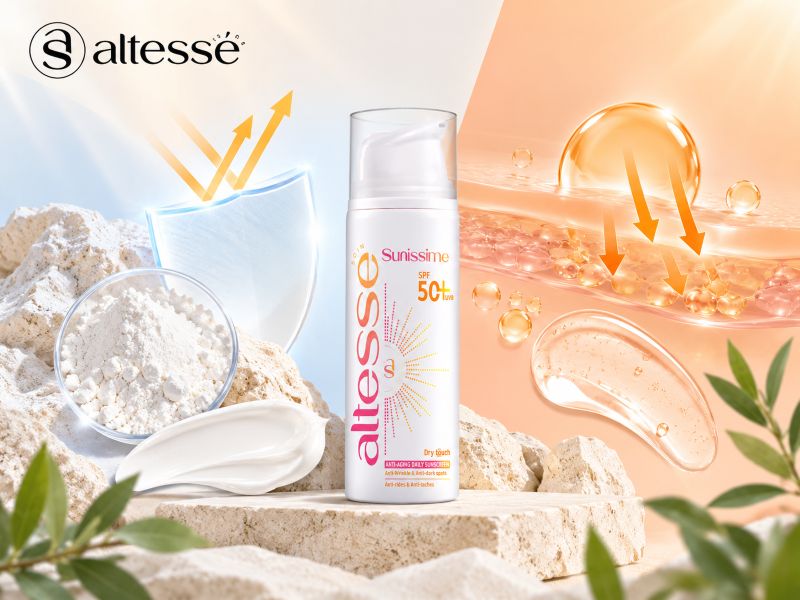
For the sun-protection step, Altesse Soin Sunissime Sunscreen SPF50+ is the product in the range built for daily protection. Check the product page for the full formula, texture, and usage instructions to make sure it suits your skin type before adding it to your routine.
To build the rest of an oily or acne-prone routine around it:
-
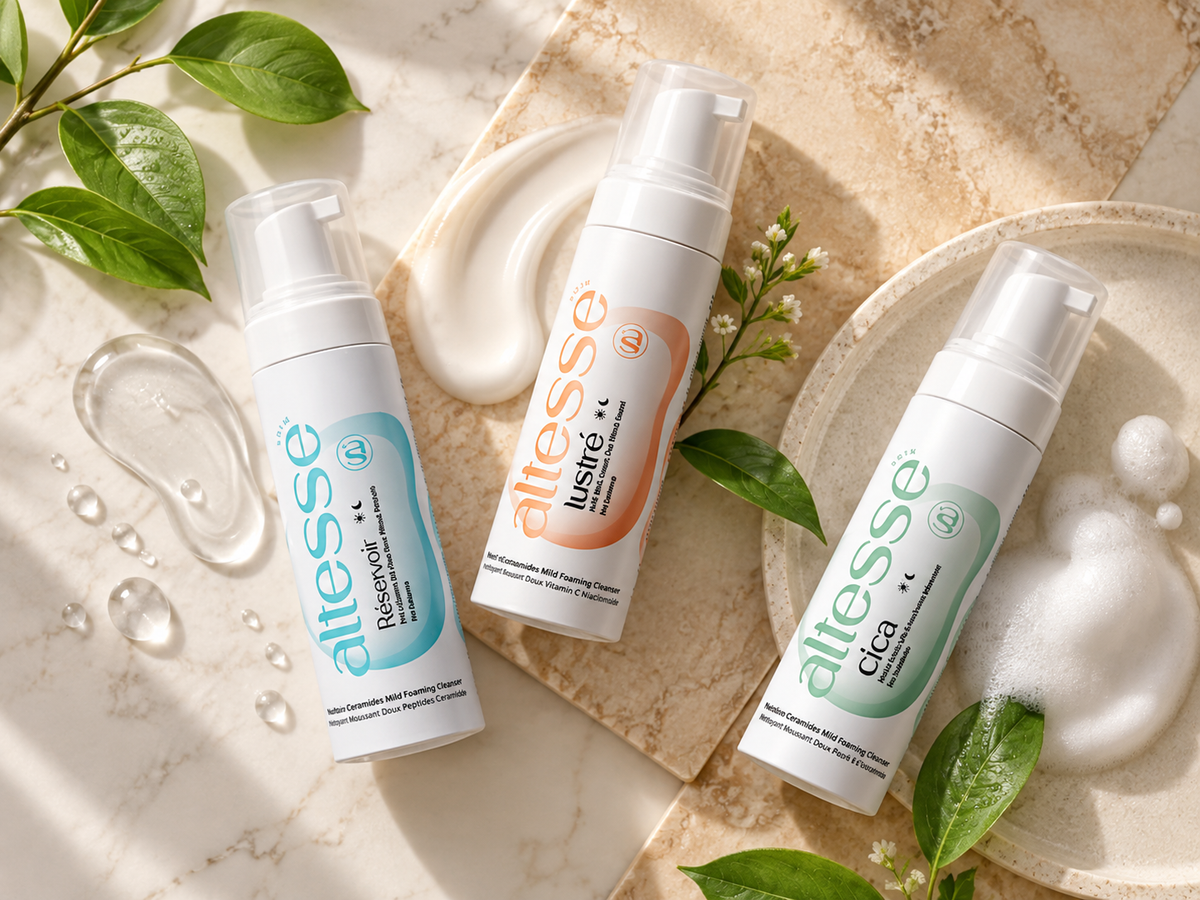
Altesse Cica Mild Foaming Cleanser — A gentle foaming cleanser for the morning and evening wash, designed to clean without over-stripping.
-
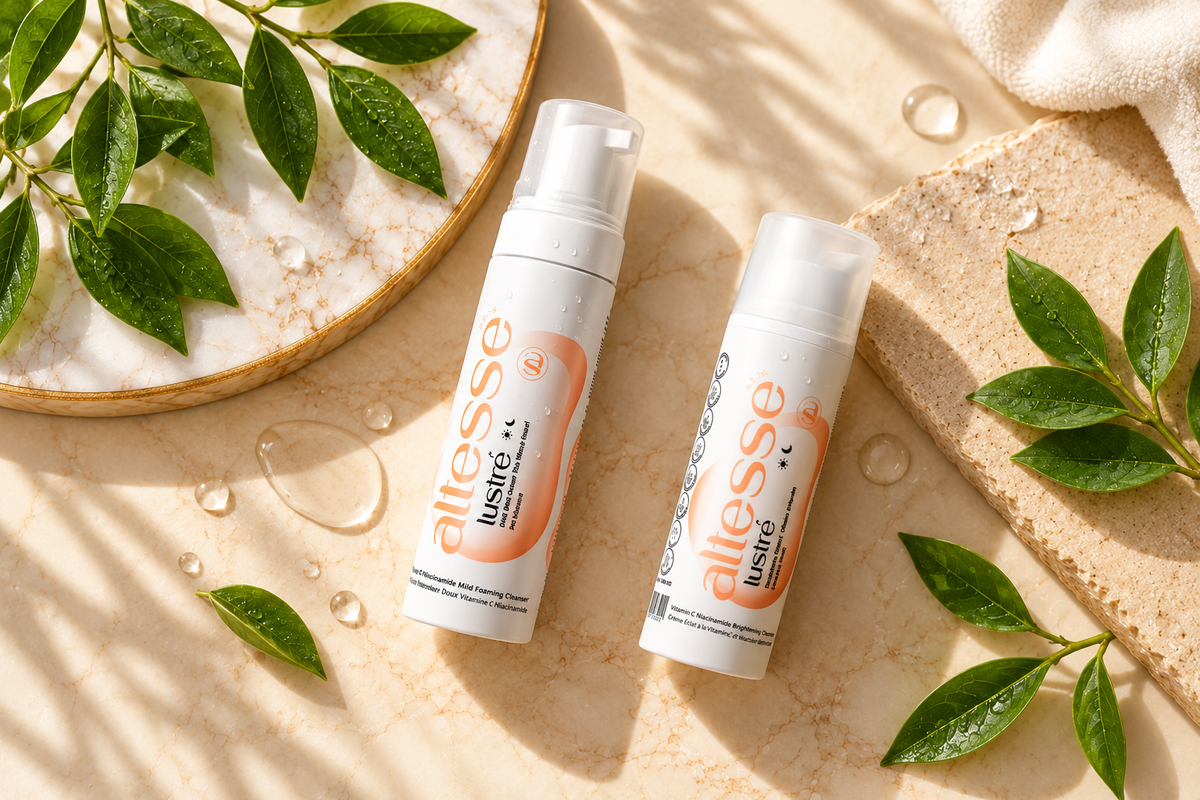
Altesse Lustré Vitamin C & Niacinamide Foaming Cleanser and Serum — Niacinamide-based options that pair well with a morning sunscreen if you're also working on uneven tone or post-acne marks.
-
Altesse Soin Reservoir Hydrating Serum — Lightweight hydration for skin that feels tight or dehydrated, especially when using acne treatments.
-
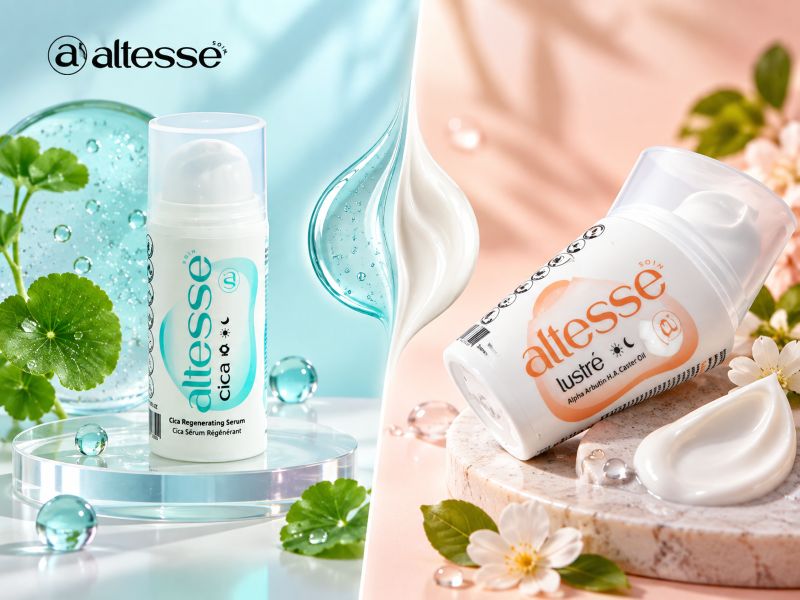
Altesse Cica Regenerating Serum and Repairing Gel Cream — Barrier-supporting options for skin that's irritated or recovering.
As with any new product, introduce one thing at a time and watch how your skin responds.
A Daily Routine for Oily, Acne-Prone Skin
A sensible routine is gentle cleansing, hydration as needed, and sunscreen in the morning, then cleansing and your prescribed acne treatment at night.
Morning Routine
-
Cleanse: Use a gentle cleanser to remove excess oil and impurities without drying the skin.
-
Moisturize: Choose a light moisturizer if your skin feels tight, even if it's oily.
-
Protect: Apply broad-spectrum sunscreen SPF 30 or higher and reapply as directed.
Evening Routine
-
Remove sunscreen and makeup: Cleanse gently to clear built-up products.
-
Treat acne: Use the treatment suited to your skin, following your doctor's or the leaflet's instructions.
-
Moisturize: Use a suitable moisturizer if dryness or flaking appears.
Keeping It Simple
Skin doesn't need a long list of products to be healthy. Choose products with clear jobs and avoid randomly combining exfoliants and strong treatments.
If you shop for skincare online, check the ingredient list, product authenticity, and usage instructions before buying. Words like "medical" or "professional" don't prove a product suits every skin type.
Common Myths About Sunscreen and Acne
Several inaccurate beliefs push people with oily skin to avoid sunscreen or use it ineffectively.
|
Myth |
Reality |
|
Oily skin doesn't need moisturizer |
Oily skin can still lose water and get dry, especially with acne treatments; a light moisturizer can help |
|
All sunscreen causes breakouts |
Formulas differ, and not all clog pores — a non-comedogenic label helps narrow your options |
|
Mineral sunscreen is always better than chemical |
Both can protect effectively when they meet the requirements; the right choice depends on formula and your skin |
|
Darker skin doesn't need sunscreen |
All skin tones can be damaged by UV, and discoloration can get worse with sun exposure |
|
A higher SPF blocks all sun damage |
No sunscreen offers complete protection; shade, clothing, and reapplication still matter |
|
Sunscreen treats acne |
Its main job is UV protection — it can support a routine but doesn't replace acne treatment |
These corrections align with guidance from the American Academy of Dermatology and the U.S. Food and Drug Administration.
When to See a Doctor
Most sunscreen irritation is mild, but some reactions need prompt medical care.
Seek emergency help right away if you have difficulty breathing, swelling of the tongue or throat, or feel faint after using a skin product — these may signal a severe allergic reaction.
See a doctor or dermatologist if you notice:
-
Swelling of the face or eyes, especially with other allergy symptoms.
-
A severe or spreading rash — stop the suspected product and get evaluated.
-
Intense burning or persistent pain — don't keep using a product that clearly irritates your skin.
-
Deep or painful acne — it may need specialist treatment to reduce scarring risk.
-
Scars or persistent dark marks — a dermatologist can recommend suitable treatment.
-
Acne that isn't improving despite consistent treatment — your diagnosis or plan may need review.
A new pimple after starting sunscreen doesn't always mean an allergy — other causes are possible. Looking at timing, symptoms, and the ingredients you've used helps pinpoint the cause.
Summary
The best sunscreen for oily and acne-prone skin is one you'll actually wear every day: broad-spectrum, SPF 30 or higher, lightweight, labeled non-comedogenic, and well tolerated by your skin. Apply enough, reapply when you're outdoors, and pair it with a gentle cleanser and a light moisturizer. Sunscreen won't treat acne, but it protects your skin from UV damage and helps stop post-acne marks from getting darker.
Questions about skincare products? Contact us:
-
Website: altessesoin.com
-
WhatsApp: +2 010 0114 3374
-
Email: info@altessesoin.com
Frequently Asked Questions
1. What is the best sunscreen for oily and acne-prone skin?
Look for a broad-spectrum sunscreen with SPF 30 or higher, labeled non-comedogenic, with a lightweight texture that your skin tolerates without irritation.
2. Can sunscreen cause acne?
Not necessarily. Some formulas may not suit your skin, but choosing a non-comedogenic product and introducing it carefully can reduce the chance of sunscreen-related breakouts.
3. Is gel or cream sunscreen better for oily skin?
Gel or fluid sunscreens often suit people who dislike heavy textures and shine, but some light creams work well too. Protection level and how your skin reacts matter most.
4. Is mineral sunscreen good for sensitive, oily skin?
It can be, especially if it contains zinc oxide or titanium dioxide, though results vary from person to person. Check the other ingredients too.
5. Do you need moisturizer before sunscreen on oily skin?
Not always, but a moisturizer can help if skin feels dry or you're using acne treatments. Choose a lightweight formula if heavy products bother you.
6. Does sunscreen help with acne marks and dark spots?
It helps prevent some sun-related darkening of existing marks, but it won't remove scars or all discoloration. A tinted sunscreen with iron oxides may also help with visible light.
7. How often should you reapply sunscreen?
Every 2 hours while outdoors, and after swimming, sweating, or towel-drying, following the product's instructions.
8. Can you use sunscreen with niacinamide?
Yes, niacinamide is generally fine in your morning routine before sunscreen if your skin tolerates it. Apply products as directed and let each layer settle first.
9. Do you need sunscreen in winter or on cloudy days?
Yes, protection still matters because UV rays reach your skin even when the sky is overcast. Use a suitable product as directed.
10. Is SPF 50 better than SPF 30?
SPF 50 offers slightly higher protection against sunburn-causing rays when used correctly, but both can work if they're broad-spectrum. SPF 50 doesn't remove the need for enough product and reapplication.
11. Can you use sunscreen while treating acne?
Yes — daily protection is especially important during many acne treatments. Pick a formula your skin tolerates and follow your doctor's instructions for the treatment itself.
12. How do you know a sunscreen doesn't suit your skin?
Increased irritation, itching, redness, or a new rash after using it may point to a poor fit. Stop use if there's a clear reaction, and seek medical advice if symptoms are severe or persistent.