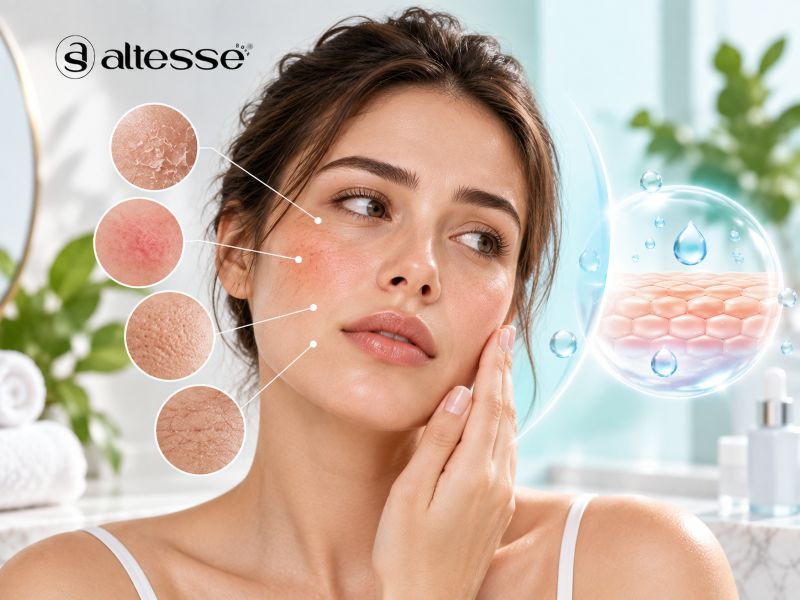
Have you tried a lot of products without seeing a clear result? The problem usually isn't the product itself — it's not understanding serum vs moisturizer, something a lot of people get wrong. Once you actually understand it, the whole game changes.
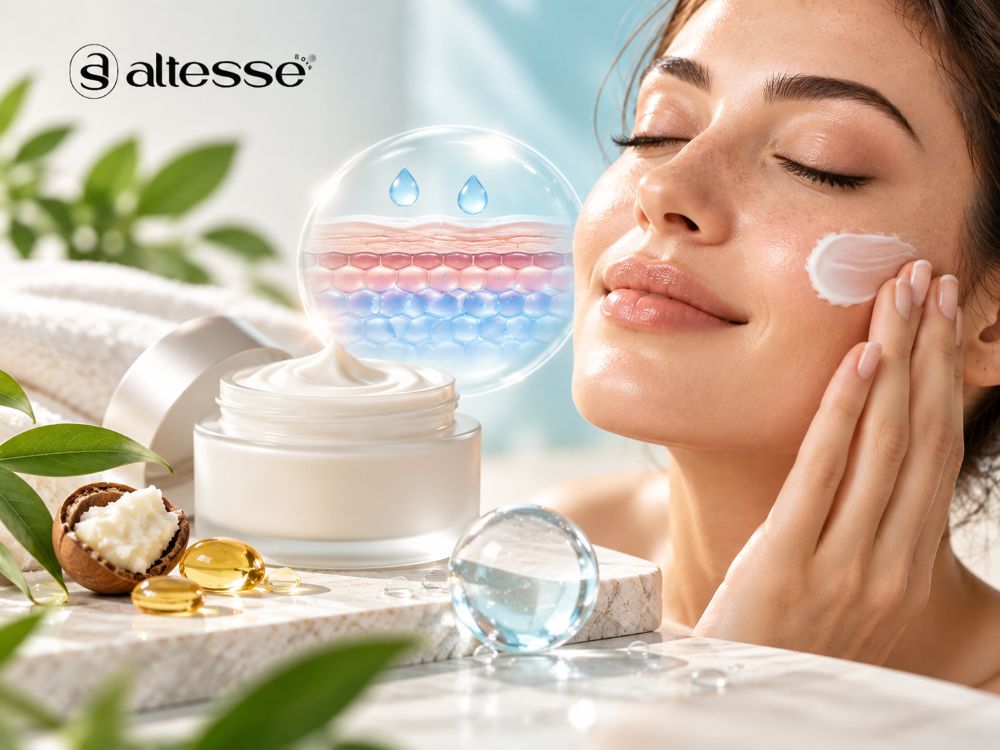
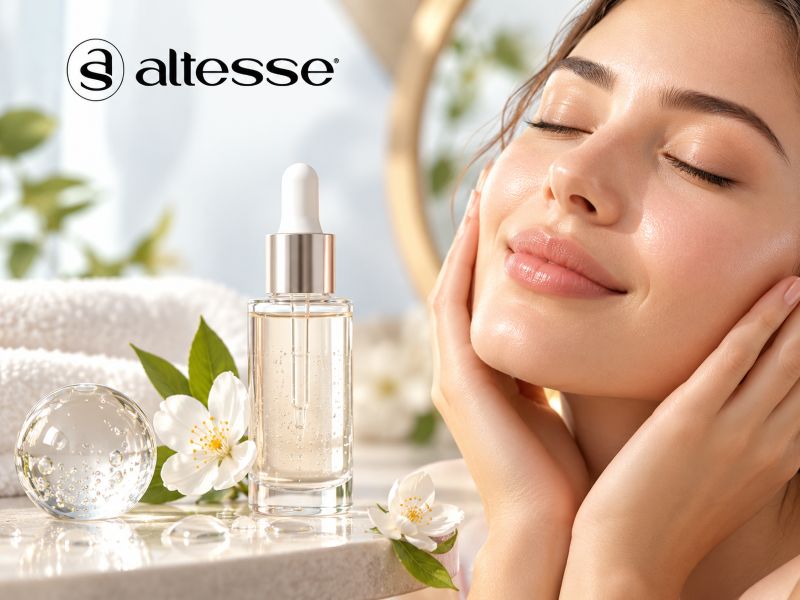
A serum is a lightweight liquid with a higher concentration of active ingredients, and it works to address a specific concern deep within the skin's layers, like pigmentation or signs of aging. A moisturizer, on the other hand, is denser and clearly works to form a layer that protects the skin's surface and prevents water loss. In short: serum treats, and moisturizer protects and seals. Neither replaces the other — they complement each other within a complete skincare routine.
What Is a Serum, and How Does Its Formula Differ from a Cream?
A serum is a lightweight product focused on delivering active ingredients that target a specific skin need, while a cream focuses more on hydration and maintaining skin's moisture.
-
Serum: may contain ingredients like vitamin C, hyaluronic acid, or retinol
-
Cream: helps hydrate skin, reduce water loss, and support its protective barrier
So a serum can be considered a step targeted at a specific concern, while a cream represents a foundational step for maintaining skin's hydration, and both can be used together depending on your skin's needs.

What Are the Benefits of Using a Serum and Moisturizer Together?
Combining a serum and moisturizer helps meet different skin needs — the serum targets a specific concern based on its ingredients, while the moisturizer helps maintain skin's hydration and support its protective barrier.
-
Targeting a specific need: a serum delivers targeted active ingredients like vitamin C or hyaluronic acid
-
Maintaining hydration: a moisturizer helps reduce water loss and keep skin soft
-
Supporting the skin barrier: regular moisturizing helps maintain skin's protective barrier
-
Reducing dryness: a moisturizer can help reduce the feeling of dryness or discomfort, especially when using certain active ingredients
So a serum and moisturizer can complement each other within your routine, as long as you choose formulas suited to your skin's nature and needs.
Golden Tips for Using Serum and Moisturizer
Getting a balanced skincare routine isn't just about knowing the difference between serum and moisturizer — it's also important to use each product the way that suits your skin.
-
Choose your serum based on your skin's needs: don't pick it just because it's popular — focus on the ingredients and your goal for using it
-
Use your moisturizer consistently: it helps maintain skin's hydration and support its protective barrier
-
Order your routine steps correctly: serum is usually used before moisturizer, after cleansing your skin
-
Don't overload on active products: combining several strong ingredients can cause irritation for some people
-
Test new products gradually: especially if your skin is sensitive or reacts easily
-
Don't skip sunscreen in the morning: it's an essential step to protect skin from UV rays
The best routine is the one that suits your skin's nature and needs, without complication or using more products than necessary.
What Ingredients Should You Look for in a Serum and Moisturizer?
Serum and moisturizer ingredients vary depending on the product's goal, so it's useful to read the formula instead of relying on the product name alone.
Common ingredients in skincare products
-
Hyaluronic acid: one of the hydrating ingredients that helps support skin's moisture level
-
Glycerin: a water-attracting ingredient found in many moisturizing products
-
Ceramides: help support the skin barrier and maintain hydration
-
Vitamin C: found in some serums geared toward caring for skin's appearance and radiance
The presence of a certain ingredient doesn't mean the product suits every skin type — compatibility depends on the full formula, how it's used, and your skin's needs.
How to Choose Between Serum and Moisturizer Based on Your Skin Type
Choosing between serum and moisturizer depends on your skin type and its needs, not just the product's texture or popularity. Dry skin may need more hydration support, while oily skin might prefer lighter formulas that don't add heaviness.
-
Dry skin: may benefit from a hydrating serum followed by a cream that helps maintain moisture
-
Oily skin: can choose a lightweight, non-comedogenic serum and moisturizer with a suitable texture
-
Sensitive skin: it's best to focus on simple formulas and ingredients that support skin's comfort
-
Combination skin: products can be chosen based on the different needs of various areas of the face
There's no one rule that fits everyone — the right formula is the one that matches your skin's nature and helps you maintain a balanced skincare routine.
Does Sensitive Skin Need Both a Serum and Moisturizer?
Sensitive skin needs extra care when choosing products, especially when introducing a new active ingredient to your routine. That doesn't mean you need to avoid serum altogether — it's best to choose the right formula and avoid adding several active ingredients at once.
You can focus on
-
Simple formulas suited to sensitive skin
-
Ingredients that support hydration and skin comfort
-
Introducing new products gradually
-
Monitoring how your skin responds after use
If persistent or severe irritation appears, it's best to stop the product and consult a dermatologist to determine the appropriate cause.
Who Suits Which Product? And When Do You Choose One Over the Other?
Choosing a serum, a cream, or both depends on your specific skin type and concern — not a trend or an ad you saw recently.
A serum suits you if you're
-
Dealing with pigmentation or dark spots that need a targeted treatment
-
Noticing fine lines or early signs of aging
-
Looking for instant radiance and a noticeable glow before a specific occasion
-
Dealing with dull skin that needs a boost of concentrated vitamins
A moisturizer suits you if you're
-
Dealing with daily dryness or skin cracking
-
Looking for basic daily protection to maintain skin's hydration
-
Have sensitive skin that needs simple calming and nourishment without a high concentration of actives
-
Want a final step to lock in everything else you've applied
How to Choose the Right Serum or Moisturizer for Your Skin
Choosing the right product starts with knowing your skin type and main concern before looking at any product on the shelf. Here are the key criteria that help you make the right decision.
Skin type: oily skin needs lightweight, oil-free serums and creams, while dry skin benefits from richer, more hydrating formulas — knowing your skin type first makes this whole decision much easier.
-
The target concern: if the concern is pigmentation or wrinkles, a serum is the ideal solution thanks to its high concentration. If the concern is general dryness, a moisturizer alone is sometimes enough
-
The active ingredient: check for ingredients like hyaluronic acid for hydration, vitamin C for brightening, or niacinamide for evening out tone, and make sure they suit your skin's sensitivity
-
Skin sensitivity: if your skin is sensitive, start with a low concentration of active ingredients and test the product on a small area first before applying it everywhere
-
Season and climate: in hot, humid weather you may need a lighter moisturizer, while dry weather calls for a richer cream to prevent water loss from the skin
-
Consulting a specialist: if you have a chronic skin condition or severe sensitivity, consult a dermatologist before introducing any new, high-concentration serum to your routine

Why Choose Altesse Soin Products Within Your Skincare Routine?
Once you understand the difference between serum and moisturizer, choosing the right products for your skin's needs becomes an easier, more precise step. Altesse Soin offers options that help you build a complete skincare routine, with the ability to choose what fits your daily skin needs.
Key things to consider when choosing care products
-
Your skin's nature: whether dry, oily, combination, or sensitive
-
Your skin's needs: like hydration, softness, or improving skin's appearance
-
The product's formula: choosing ingredients that suit your skin's needs and fit into your daily routine
-
A complete routine: using products in an organized way so each one plays its role instead of relying on a single product for all your skin's needs
So choosing the right product doesn't depend on its popularity alone — it depends on how well it matches your skin's nature and needs, which helps you build a simple, balanced skincare routine.
What's the Correct Order to Apply Serum and Cream?
The correct order starts with the lightest-textured products and ends with the heaviest, to ensure each layer absorbs effectively before the next one goes on.
-
Cleanse your skin: always start with a gentle cleanser that removes dirt and excess oils without stripping your skin's natural moisture
-
Toner (optional): if you use a toner, apply it right after cleansing to balance your skin's pH
-
Apply the serum: put a few drops of serum on clean, dry skin and spread it gently with your fingertips without harsh rubbing
-
Wait for absorption: give the serum one to two minutes to sink into the skin before moving to the next step
-
Apply the moisturizer: put a suitable amount of moisturizer over the serum to lock in its effectiveness and protect skin from dryness throughout the day
-
Sunscreen in the morning: don't forget to add sunscreen as the final step in your morning routine to protect the results you've achieved
Expert tip: apply the serum with gentle presses instead of rubbing — this improves absorption and reduces the chance of irritating your skin. For a full breakdown of exactly how every product in your routine should stack, our guide to the correct face cream order walks through each layer step by step.
Warning: avoid applying moisturizer before serum, since this stops the concentrated active ingredients from reaching skin's deeper layers and causes the serum to lose much of its effectiveness.
Can You Mix Serum with Other Ingredients in Your Skincare Routine?
Yes, but some ingredients need real caution when combined to avoid irritating skin or canceling out the active ingredients' effect.
Safe and effective with
-
Hyaluronic acid: boosts skin's hydration with almost no conflict with any other active ingredient
-
Niacinamide: calms skin, balances oil production, and works well with most types of serum
Use with caution
-
Vitamin C and retinol: best used at different times of day to avoid irritation — vitamin C in the morning and retinol in the evening. If you're weighing which one your skin needs, our comparison of niacinamide vs hyaluronic acid is worth reading too
-
Exfoliating acids (AHA/BHA): reduce how often you use them when combining with a high-concentration serum so your skin doesn't lose its balance
Avoid
-
Retinol combined with strong exfoliating acids in the same application, since this can cause severe redness and dryness for sensitive skin
When Do Results Show Up from Using Serum and Moisturizer Together?
Results vary depending on the target concern and skin type, but there's a general timeline you can expect with consistent use.
Week 1
-
An immediate feeling of softer, noticeably hydrated skin
-
A slight improvement in skin's elasticity and overall appearance
Two weeks to a month
-
Tone starts to look more even if the serum contains brightening ingredients
-
A noticeable reduction in skin dryness and flaking
One to three months
-
Deeper results, including a clear reduction in pigmentation and fine lines
-
Healthier, more radiant skin with a more balanced, consistent appearance
Important: consistency is the key to success. Frequently stopping your routine resets skin to its starting point and delays achieving the best results.
Common Mistakes When Using Serum and Cream
A lot of underwhelming results aren't about product quality — they come down to how it's used. Here are the most common mistakes and how to fix them.
-
Mistake 1: using moisturizer before serum — Fix: always apply serum first on clean skin, then follow with moisturizer to lock in the result
-
Mistake 2: using too much serum — Fix: a few drops is enough since serum is concentrated, and overusing it doesn't boost effectiveness — it can cause irritation
-
Mistake 3: skipping moisturizer because the serum is enough on its own — Fix: without a cream to lock in moisture, a large part of the serum's effectiveness evaporates faster
-
Mistake 4: combining strong active ingredients without easing in — Fix: introduce each new ingredient on its own and watch your skin's response before adding another
-
Mistake 5: expecting instant results from the first use — Fix: give your routine enough time, since real results need weeks of consistency
-
Mistake 6: using a serum that doesn't match your actual skin concern — Fix: identify your concern first, then choose the active ingredient specifically suited to it
What's the Ideal Routine for Using Serum and Moisturizer?
A good routine doesn't need dozens of products — it just needs the right order and choosing what suits your skin's needs.
Morning routine
-
Gentle cleanser: cleanses skin without stripping its natural oils too much
-
Serum: choose one that matches the goal you want to focus on — for example, if brightening is your priority, it's worth knowing how vitamin C serum results build over time
-
Moisturizer: to maintain hydration and support skin's comfort
-
Sunscreen: use a broad-spectrum sunscreen with a suitable SPF, and reapply as needed
Evening routine
-
Cleanse your skin: remove care products and makeup gently
-
Serum: use the active ingredient that suits your skin if it can tolerate it — see our full guide on using niacinamide serum for evening application details
-
Moisturizer: finish your routine with a product that helps maintain skin's hydration
If your skin is irritated, don't make having more steps a goal in itself. Sometimes reducing the number of products and relying on a gentle cleanser, a suitable moisturizer, and sun protection is the more comfortable choice for your skin.
Which Is Better: Serum or Moisturizer?
There's no single product that's best for everyone — serum and moisturizer serve different functions, and the choice usually depends on your skin's needs and the goal of your routine.
|
Comparison Point |
Serum |
Moisturizer |
|
Main goal |
Targets a specific need with active ingredients |
Supports skin hydration and reduces water loss |
|
Texture |
Usually lightweight, spreads quickly |
Varies from light to rich |
|
Active ingredient concentration |
Can be higher in some formulas |
Depends on the type and formula of the cream |
|
Hydration |
Some types are clearly hydrating |
A core function in most moisturizers |
|
Skin barrier support |
Depends on the ingredients |
Can support the barrier through ceramides and hydrating ingredients |
|
Dry skin |
Can be used as an additional step |
Usually an important step |
|
Oily skin |
A lightweight texture can be chosen |
A lightweight, non-comedogenic moisturizer can be chosen |
|
Does it replace the other? |
Not necessarily |
Not necessarily |
It's worth noting that the word "serum" or "cream" describes a product's form and general function, but it alone doesn't tell you everything it contains. That's why it's important to look at the ingredients, how it's used, and your skin's actual needs.
Quick Facts About the Difference Between Serum and Cream
-
A serum isn't better than a moisturizer: each has a different function in a skincare routine
-
A moisturizer is essential for skin: it helps reduce water loss and maintain skin's softness and comfort
-
They can be used together: if the formulas suit your skin and don't cause irritation
-
Hyaluronic acid and glycerin: water-attracting ingredients that can be found in serums or moisturizers
-
Ceramides: help support the skin barrier and maintain its hydration
-
Oily skin needs hydration too: and can choose a lightweight, non-comedogenic formula
-
Results need consistency: the timeline varies depending on the product, its ingredients, and skin's needs
Most importantly, choose your product based on your skin's needs, not just whether it's labeled a serum or a cream.
Common Misconceptions About Serum and Moisturizer
-
Misconception: a serum always replaces a cream. Truth: some serums are hydrating, but they don't necessarily perform the exact same function as a moisturizer.
-
Misconception: the more concentrated the serum, the better its results. Truth: concentration isn't the only factor — the product's formula, how well it suits your skin, and how it's used all matter too.
-
Misconception: oily skin doesn't need a moisturizer. Truth: oily skin also needs hydration, but choosing the right texture matters to avoid a heavy feeling.
-
Misconception: any serum can be used with any other product. Truth: some active ingredients need thoughtful use, especially when combining more than one active product.
-
Misconception: results should show up within days. Truth: how quickly results appear varies by product, ingredient, and goal, and some products need several weeks or more.
-
Misconception: more products always mean a better routine. Truth: a simple, balanced routine can be more suitable, and too many products can increase the chance of irritation.
When Should You See a Doctor Immediately?
Seeing a dermatologist becomes important when irritation is severe, persistent, or accompanied by unusual symptoms that don't improve with simple care.
See a dermatologist if you notice:
-
Persistent burning or stinging after using skincare products
-
Redness or itching that doesn't improve despite stopping the product that caused it
-
Clear swelling or a rash after using a new product
-
Severe, persistent dryness that doesn't improve with moisturizing
-
Cracking or recurring skin symptoms
-
A known skin condition worsening after introducing a new serum or cream
The American Academy of Dermatology recommends seeing a dermatologist when skin dryness persists, or burning, stinging, and irritation occur with products, since dryness can sometimes be linked to a skin condition that needs evaluation and appropriate treatment.
If signs of a severe allergic reaction appear, such as difficulty breathing or rapid swelling of the face or lips, this is an emergency that requires immediate medical help.
Best Serum and Moisturizer for Your Skin
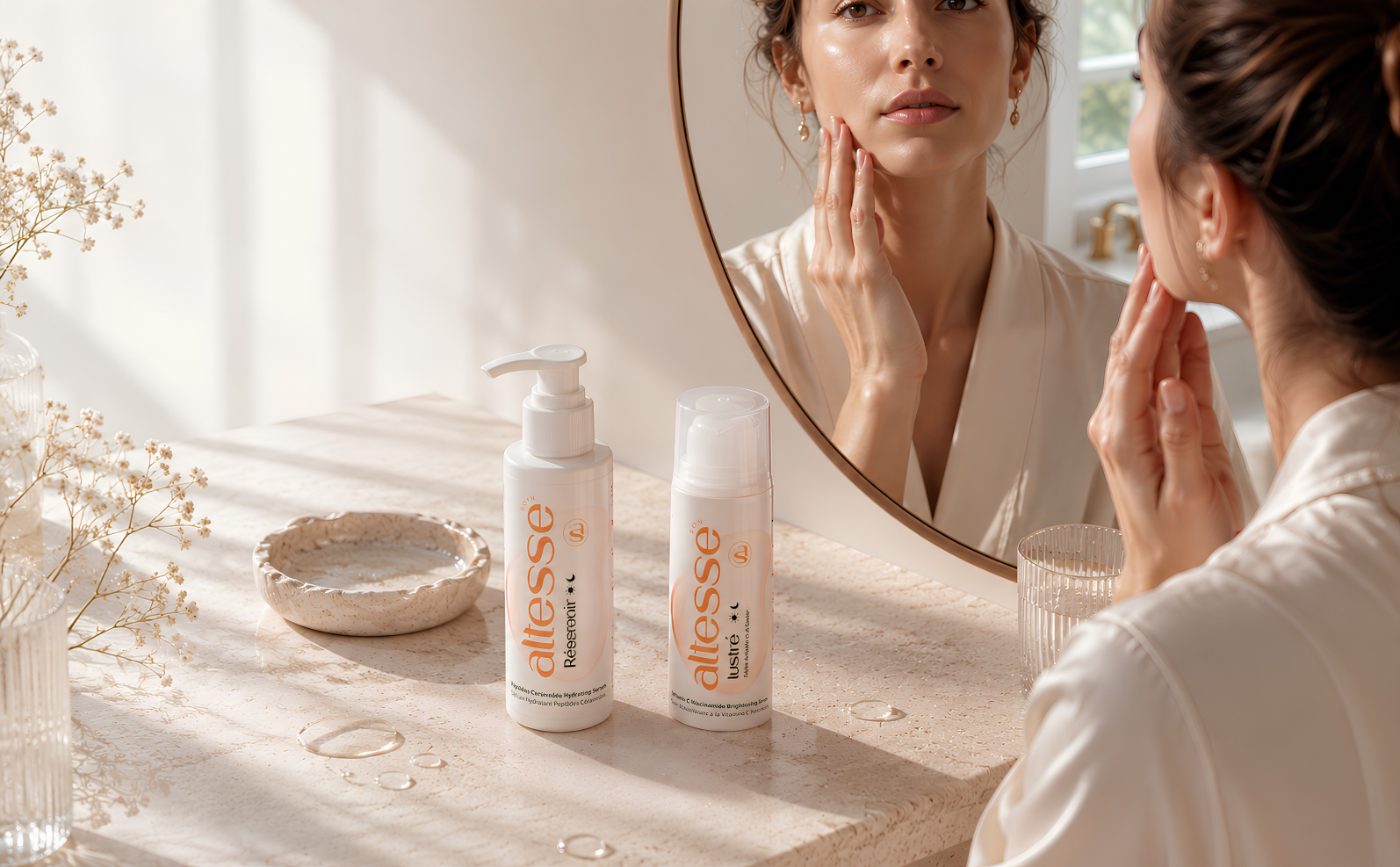
Rèservoir Peptides Ceramides Hydrating Serum 30ml
This serum clearly illustrates the core difference between serum and moisturizer — it's a concentrated formula with fine molecules built to penetrate deep into the skin's layers, not just sit on its surface.
Key Ingredients & Benefits
-
A high concentration of sodium hyaluronate in a lightweight, fast-absorbing serum texture
-
Ceramides and peptides that support hyaluronic acid's effectiveness
-
Softens fine lines caused by dryness from within
When Will You See Results?
Instant hydration and plumpness from the first use. Improved elasticity needs 3 to 4 weeks of consistent use.
How to Use
-
Apply to slightly damp skin right before your cream
The concentrated treatment step that always comes before the surface hydration step.
Experience the difference with a genuinely concentrated serum: Rèservoir Peptides Ceramides Hydrating Serum 30ml.
Rèservoir Peptides Ceramides Hydrating Gel Cream 50ml
By contrast, this cream clearly plays the "moisturizer" role — it acts as a sealing layer that locks in the moisture and active ingredients your serum delivered, rather than delivering them deeply itself.
Key Ingredients & Benefits
-
Locks moisture into the skin's layers and reinforces your serum's effect
-
Non-greasy texture that absorbs quickly without leaving a sticky residue
-
Triple ceramide that protects skin from water loss throughout the day
When Will You See Results?
Instant comfort from the first use. Within 4 weeks, a cumulative effect shows in evening out tone and improving texture.
How to Use
-
Always apply after your serum as the final step in your routine
The step that closes out your routine and makes sure your serum's benefits don't evaporate quickly.
Complete your routine the right way with Rèservoir Peptides Ceramides Hydrating Gel Cream 50ml.
FAQ: Serum vs Moisturizer
What's the difference between serum and moisturizer?
A serum usually focuses on delivering active ingredients targeted at a specific need, while a moisturizer focuses on hydrating skin and supporting its ability to retain water.
Which is better, serum or cream?
There's no absolute best — the choice depends on your skin's needs. A serum suits a specific goal, while a moisturizer is an essential step for maintaining hydration and skin's comfort.
Can serum and cream be used together?
Yes, they can be used together in the same routine if the formulas are compatible and don't cause irritation. Serum is usually applied before moisturizer.
Does serum replace moisturizer?
Not always. Some serums provide good hydration, but they may not perform the exact same function a moisturizer offers, especially for dry skin or skin that needs to reduce water loss.
Should I apply serum before moisturizer?
Yes, in most routines, serum is applied before moisturizer after cleansing your skin, following the product's instructions.
Does oily skin need serum and moisturizer?
Oily skin can use both if needed, but it's best to choose lightweight formulas suited to oily skin, especially if it's prone to breakouts.
Can I use more than one serum at the same time?
This can be done in some routines, but it's not ideal to randomly combine several active ingredients, since that can increase the chance of irritation. Start with a simple routine, then add products gradually.
Is serum better for dry skin?
Not necessarily. A hydrating serum can be helpful, but dry skin may also need a moisturizer to help reduce water loss and maintain hydration.
When should I use serum, morning or evening?
It depends on the type of serum and its ingredients, and the manufacturer's instructions. Some serums suit the morning, while other ingredients are better used in the evening.
Should I use moisturizer before sunscreen?
In your morning routine, you can apply moisturizer, then sunscreen as the final care step, following the sunscreen's instructions.
Can serum be used on sensitive skin?
Some serums can suit sensitive skin, but it depends on the formula, ingredients, and your skin's tolerance. It's best to introduce the product gradually and test it before regular use.
Talk to Our Skincare Experts
If you're unsure about the difference between serum and moisturizer and want to know which one suits your skin's needs, you can reach out to the Altesse Soin team to learn about the products that help you build a complete skincare routine and maintain your skin's hydration and care every day.
WhatsApp: https://wa.me/201001143374
Email: info@altessesoin.com
Phone: +2 010 0114 3374