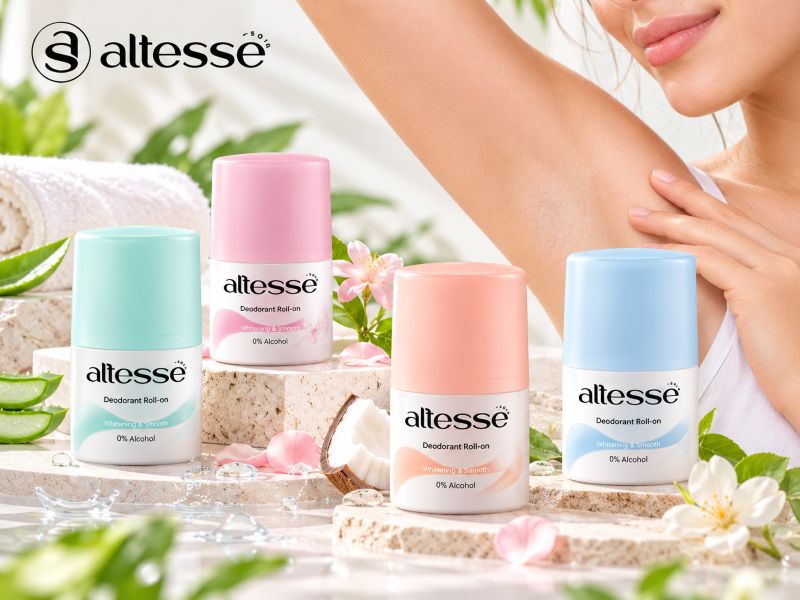
Using deodorant can sometimes turn into burning, itching, or bothersome redness, especially after shaving or with heavy sweating. That's why looking for an alcohol-free deodorant for sensitive skin helps reduce potential irritants while keeping you feeling fresh and effectively protected from odor, without overwhelming your underarm skin.
An alcohol-free deodorant for sensitive skin is a product designed to reduce sweat odor while avoiding ethyl alcohol, which can cause dryness or stinging for some people. It may contain ingredients that reduce odor-causing bacteria, or aluminum salts if it's an antiperspirant meant to reduce the amount of sweat itself. For sensitive skin, it's best to choose a gentle formula that's as free from alcohol and fragrance as possible, and to test it on a small area first.
What Is an Alcohol-Free Deodorant for Sensitive Skin?
An alcohol-free deodorant for sensitive skin is a daily care product focused on reducing sweat odor while lowering the chance of irritation that some stronger formulas can cause.
It's worth knowing that sweat itself usually doesn't have a strong smell when it leaves the sweat glands. Sweat odor appears when the natural bacteria on the skin's surface react with sweat's components, especially in the warm, moist underarm area. That's why deodorant typically works by reducing bacterial growth, masking the odor with a scent, or adjusting the environment on the skin's surface.
The phrase "alcohol-free" usually refers to the product being free of ethyl alcohol or drying alcohol, used in some sprays and fast-drying formulas. Alcohol can cause stinging or dryness, especially on sensitive underarm skin or right after shaving. But the absence of alcohol alone doesn't automatically mean a product won't cause sensitivity, because fragrance, essential oils, preservatives, or certain solvents can be the actual cause of the problem for certain people.
Think of the right product as a gentle layer that respects the skin barrier: its goal isn't to stop your body from doing its natural job, but to help manage sweat and odor in a more comfortable way.

What's the Difference Between Deodorant and Antiperspirant?
Deodorant reduces sweat odor, while antiperspirant reduces the amount of sweat that reaches the skin's surface, and a single product may combine both functions.
Antiperspirant usually contains mineral salts, like aluminum salts, that temporarily block the surface sweat channels, reducing the amount of sweat reaching the underarm skin. Deodorant, on the other hand, focuses more on dealing with bacteria or odor, without its main goal being to reduce sweating itself.
| Comparison Point | Deodorant | Antiperspirant |
|---|---|---|
| Main goal | Reduce or mask sweat odor | Reduce sweating and odor |
| Effect on sweat amount | Doesn't necessarily reduce it | Reduces the amount of sweat reaching the skin's surface |
| Common ingredients | Antibacterial or moisture-absorbing ingredients, or fragrance | Aluminum salts, plus additional fragrance and care ingredients |
| Suitable for heavy sweating | May not be enough on its own | May be a more effective option after evaluating skin tolerance |
| Best for sensitive skin | A formula as free from alcohol and fragrance as possible | A gentle formula, tested gradually, applied to intact skin |
If your main concern is unpleasant odor, a gentle deodorant may suit you. If heavy sweating is the main problem, you may need an antiperspirant designed for sensitive skin, applied to completely dry skin, following medical guidance if the situation continues.
Why Does Sensitive Underarm Skin Need Special Care?
Sensitive underarm skin is exposed daily to moisture, friction, hair removal, and tight clothing, which is why it can become more prone to irritation when using an unsuitable formula.
The underarm area isn't just a zone exposed to sweat — it's an environment where there's repeated friction between skin and clothing, where deodorant is used almost daily, and where hair may be removed by shaving or waxing. All these factors can temporarily weaken the skin barrier and increase the feeling of stinging or itching when applying any product.
Key benefits of choosing a deodorant designed specifically for sensitive skin
- Reduced stinging: an alcohol-free formula may be gentler after hair removal or when there's mild skin dryness
- Less bothersome odor: the right product reduces the activity of odor-causing bacteria, or masks the odor comfortably
- Lower chance of dryness: gentle formulas free from drying ingredients help support underarm skin's comfort
- Avoiding known triggers: choosing a fragrance-free product benefits anyone with sensitivity or a past reaction to fragrances, since fragrance is one of the most common causes of contact sensitivity linked to deodorants
- More comfortable daily use: when the texture is gentle and non-sticky, sticking with daily care becomes easier
- Suits both men and women: underarm sensitivity isn't linked to gender — it's linked to skin type, shaving, friction, and product ingredients
- Supports everyday confidence: managing sweat odor helps you feel comfortable during work, school, or social activities
Who Suits an Alcohol-Free Deodorant?
An alcohol-free deodorant suits a lot of people, but it becomes an especially important choice for anyone who's noticed signs of irritation after using other deodorants or antiperspirants.
It may suit you if you:
- Have sensitive underarm skin and notice itching or stinging after using a regular deodorant
- Feel dryness or tightness in your underarms after using strongly scented sprays
- Shave or remove hair regularly and need a gentle product once your skin has calmed down
- Have previously experienced a rash or contact dermatitis caused by a fragrance or care product
- Are looking for a deodorant suited for daily use with less reliance on strong fragrances
- Have eczema or a tendency toward skin inflammation, after consulting a dermatologist when needed
- Prefer a deodorant for men and women with a simple formula that fits into a daily care routine
- Want to reduce sweat odor without a bothersome feeling of dryness or heavy stickiness
Having sensitivity doesn't mean you need to avoid every type of deodorant. The goal is identifying the irritant that's bothering your skin, then choosing a formula more compatible with your skin's nature.
How to Choose a Deodorant Suited for Sensitive Skin
Choose the product based on its ingredients list and your actual needs, not just a marketing phrase like "gentle" or "natural" alone.
1. Check for "alcohol-free"
Look for a formula free from ethyl alcohol, especially if you feel burning after use or experience recurring dryness. Remember that the phrase "Alcohol-Free" doesn't necessarily mean the product is free from every ingredient that could irritate skin.
2. Choose fragrance-free if you have sensitivity
If you've experienced itching or redness before, choose "Fragrance-Free," not just "Unscented." An unscented product may still contain fragrance to mask the smell of its other ingredients, while a fragrance-free product is better suited for anyone with fragrance sensitivity. Fragrance is one of the most common triggers of sensitivity linked to deodorants and antiperspirants.
3. Define your goal: odor or sweat?
If the problem is sweat odor, start with a gentle, alcohol-free deodorant. If heavy sweating is soaking through your clothes or disrupting your day, an antiperspirant may be more suitable, used according to instructions on dry skin.
4. Watch for other ingredients that may cause irritation
Essential oils, sodium bicarbonate, fragrances, or propylene glycol may be ingredients that bother some people. That doesn't mean they're unsuitable for everyone, but avoiding them or testing them cautiously may make sense if you have a history of sensitivity.
5. Choose a comfortable application format
Deodorant comes as a roll-on, stick, cream, or spray. A roll-on may suit those who prefer a light layer, while a stick can be practical and easy to carry. Some with sensitive skin prefer a cream or stick texture, since it allows for gentler distribution than sprays when irritation is present.
6. Test it before committing fully
Apply a small amount to a limited area of intact skin for several days, and stop if clear itching, stinging, redness, or a rash appears. If you have a repeated history of sensitivity, a dermatologist may help identify the cause through patch testing.
How to Use an Alcohol-Free Deodorant the Right Way
Use deodorant on completely clean, dry skin, and wait until your skin calms down after hair removal to reduce the chance of stinging and irritation.
- Wash your underarm area gently: use lukewarm water and a gentle cleanser, and avoid harsh scrubbing or a rough sponge, since both can increase skin irritation
- Dry your skin thoroughly: leftover moisture can reduce the product's comfort or contribute to a sticky feeling. Antiperspirant especially works better when applied to dry skin
- Avoid applying it right after shaving: wait until your skin calms down if you experience recurring stinging, since shaving can leave micro-cuts that make ingredients more bothersome
- Apply a light, even layer: don't assume more product means longer-lasting, effective protection. Too much product can stick to clothing or clump
- Let it dry: before getting dressed, give the product a minute or two to settle — this helps reduce transfer onto fabric
- Reapply only when needed: if the deodorant is meant for daily use, applying it once a day on clean skin is usually enough. Follow the package instructions if the product is different
- Watch how your skin responds: stop use if persistent itching, redness, flaking, or swelling appears, and choose a simpler formula once your skin calms down
Expert tip: if you deal with bothersome sweating, applying an antiperspirant at night on dry skin can be a helpful option, then washing it off in the morning according to the product's instructions — medical guidance notes that antiperspirants work well when applied to dry skin before bed.
Warning: don't apply deodorant to cracked, inflamed skin, or skin with shaving cuts. Stop the product if severe burning or a rash occurs.
What Products Can Be Used Alongside Deodorant?
An alcohol-free deodorant can be combined with a simple hygiene routine, but avoid applying active or fragranced ingredients to your underarms at the same time if your skin is sensitive.
Safe and effective with
- A gentle, fragrance-free cleanser: helps clean your underarms without stripping the skin's natural moisture
- A simple, fragrance-free moisturizer: can be used when skin is dry, as long as it's left to fully absorb before applying deodorant
- Cotton or breathable fabrics: reduce friction and help manage moisture, especially with sweating
- Gentle hair removal: using a clean blade or a method suited to your skin's nature, then giving skin time to calm down before applying deodorant
Use with caution
- Exfoliating acids: like AHA or BHA acids — they may cause stinging or inflammation in this delicate area, especially after shaving
- Direct fragrance application: avoid spraying perfume over or near your underarms after deodorant, since fragrance can be a sensitivity trigger
- Essential oils: even natural ingredients can trigger skin sensitivity for some people
Avoid
- Strong homemade mixtures: like lemon, vinegar, or alcohol to reduce sweat odor — these can irritate skin and increase post-inflammatory pigmentation
- Strongly fragranced deodorants: especially if you have a history of fragrance sensitivity or contact dermatitis
What Results Can You Expect, and When Do They Show Up?
Odor control usually shows up from the first use, but reaching a comfortable routine for sensitive underarm skin may take several weeks of calm trial and avoiding irritants.
During the first days
- You may notice a reduction in sweat odor if the formula suits you and the area was cleaned and dried well
- You can evaluate the texture: does it dry comfortably? Does it leave residue? Does it cause stinging?
Within a week to two weeks
- Itching and dryness may decrease if you stop the irritating product and switch to a gentle, alcohol- and fragrance-free deodorant
- Your skin barrier starts improving as friction, frequent shaving, and harsh products are reduced
Within a month to three months
- You become better able to identify the ingredients that suit you and avoid formulas that trigger sensitivity
- If sweating is within a normal range, sweat odor may stabilize with consistent underarm hygiene and the right product
Important: don't expect deodorant alone to treat excessive sweating or a persistent rash. If heavy sweating is affecting your daily activity, appeared suddenly, or comes with unexplained night sweats, see a doctor.
What Common Mistakes Should You Avoid?
Most underarm problems don't come from deodorant alone — they come from combining an unsuitable product with recent shaving, friction, and ongoing moisture.
Mistake 1: applying deodorant right after shaving Fix: wait until your skin calms down, especially if shaving causes micro-cuts or clear stinging.
Mistake 2: assuming "alcohol-free" means it won't cause sensitivity Fix: check the fragrance, essential oils, and other ingredients, and test the product gradually on a small area.
Mistake 3: using too much product Fix: a thin layer on clean, dry skin is usually enough, following the package instructions.
Mistake 4: continuing despite a rash or itching Fix: stop the product immediately when a clear reaction appears, gently wash the area, and see a dermatologist if the rash persists.
Mistake 5: using lemon or alcohol to lighten underarms or mask odor Fix: avoid strong acidic or alcohol-based ingredients, since they can cause irritation, inflammation, and post-inflammatory darkening.
Mistake 6: overlooking fragrance as a potential cause Fix: choose a fragrance-free option if you have a history of sensitivity — fragrance is very common in deodorants and can be a cause of sensitivity.
Mistake 7: treating heavy sweating as something to just tolerate Fix: excessive sweating can be evaluated and treated, especially if it's causing social discomfort or affecting school or work.
Quick Facts About Deodorants for Sensitive Skin
- Deodorant targets sweat odor, while antiperspirant targets reducing the amount of sweat reaching the skin's surface
- Sweat alone isn't the source of odor — bacteria on the skin react with sweat's components to produce the smell
- Alcohol can cause dryness or stinging for some people, especially after shaving or when irritation is already present
- "Fragrance-free" is different from "unscented," since unscented products may still contain fragrance to mask the smell of other ingredients
- Fragrance is one of the most common ingredients linked to contact sensitivity from deodorants
- Aluminum salts in antiperspirants temporarily reduce sweat amount by affecting surface sweat channels
- The best time to apply antiperspirant may be at night on dry skin, following the product's instructions
- Heavy sweating that starts suddenly or comes with unexplained night sweats deserves a medical consultation
What Are the Common Misconceptions?
Misconception: deodorant and antiperspirant are the same thing Truth: deodorant focuses on odor, while antiperspirant reduces the amount of sweat reaching the skin's surface. Many products combine both functions, but reading the label matters.
Misconception: sweat odor always means poor hygiene Truth: sweat odor is affected by natural bacteria, heat, sweating, clothing, diet, and hormonal changes — it's not a direct judgment on personal hygiene.
Misconception: a natural product doesn't cause sensitivity Truth: natural ingredients, including essential oils and sodium bicarbonate, can cause irritation or sensitivity for some people. Test the product and don't rely on the word "natural" alone.
Misconception: every alcohol-free deodorant is automatically suited for sensitive skin Truth: the absence of alcohol is helpful for some, but it doesn't prevent sensitivity caused by fragrance or other ingredients. A simple, fragrance-free formula is best when there's a history of reaction.
Misconception: applying more deodorant prevents odor for longer Truth: overapplying can increase buildup and friction and doesn't solve heavy sweating. Use it on clean, dry skin, and determine whether you need a deodorant or an antiperspirant.
Misconception: ordinary underarm itching should be ignored Truth: persistent itching and redness may indicate contact dermatitis or another skin issue, and need the irritant stopped along with a medical evaluation if there's no improvement.

How to Choose Between Deodorant and Antiperspirant
The right choice depends on what bothers you most: the odor, the wetness from sweating, or sensitivity to products.
| Your Main Situation | The Option to Start With | What to Focus On |
|---|---|---|
| Mild to moderate sweat odor | Alcohol-free deodorant | Fragrance-free if sensitive, used on dry skin |
| Noticeable sweating that soaks clothes | Gentle antiperspirant | Correct application on dry skin, watching for irritation |
| Stinging after shaving | A gentle deodorant without alcohol or fragrance | Waiting for skin to calm down before use |
| A rash with fragranced products | A fragrance-free option | Reviewing the ingredients list and stopping the triggering product |
| Persistent sensitivity to multiple products | Dermatologist evaluation | May need patch testing to identify the sensitizing substance |
| Heavy sweating affecting daily life | Medical consultation | May be hyperhidrosis, needing broader treatment options |
Here are the options to consider when shopping: a gentle deodorant if odor is your main concern, or a suitable antiperspirant if sweating is the problem. Don't try to tolerate ongoing burning for the sake of a product that lasts longer — skin comfort is part of making the right choice.
A Gentle Daily Routine for Sensitive Underarm Skin
A simple routine protects underarm skin from irritant buildup and gives your deodorant a better chance to work effectively.
Morning
- Gentle cleansing: wash your underarm area with lukewarm water and a fragrance-free cleanser, then pat dry instead of rubbing
- A short wait after hair removal: if you shaved in the morning, let your skin calm down before applying any deodorant
- Alcohol-free deodorant: apply a light layer of a deodorant suited for sensitive underarm skin and let it dry
- Comfortable clothing: choose cotton or breathable fabrics to reduce friction and moisture
Evening
- Clean off product and sweat residue: gently wash the area, especially after a long day or physical activity
- Moisturize if dry: use a simple, fragrance-free moisturizer if skin feels dry or tight
- Antiperspirant if needed: if you deal with noticeable sweating, applying antiperspirant at night on dry skin may be recommended, following the package or a specialist's instructions
To ask about choosing the right care products, you can reach out via WhatsApp or email at info@altessesoin.com, or call +2 010 0114 3374.
When Should You See a Doctor Immediately?
Seek urgent medical care if heavy sweating is accompanied by chest pain, dizziness, nausea, cold skin, or a rapid heartbeat, since these symptoms need immediate evaluation.
See a dermatologist or specialist soon if you notice any of the following:
- A severe rash, swelling, blisters, or clear pain in your underarm after using a deodorant
- Discharge, yellow crusting, or possible signs of infection
- A rash spreading beyond the underarm area, or not improving after stopping the product
- Recurring itching or redness every time you use a specific deodorant
- Heavy sweating that disrupts work, school, or causes social withdrawal
- A sudden start of unusually heavy sweating with no explanation
- Recurring night sweats with no clear cause
- A sudden, noticeable change in sweat odor with no explanation
Your doctor may need to review the products you're using or perform a patch test if contact dermatitis is suspected — a type of eczema that occurs when skin comes into contact with an irritating or sensitizing substance.
Best Alcohol-Free Deodorant for Sensitive Skin
Whitening and Hair Delaying Roll-On Deodorant Délicat 50ml
As its name suggests, this is the option built specifically for those with sensitive skin, with a delicate formula that provides strong protection without friction or irritation.
Key Ingredients & Benefits
- A gentle formula that improves underarm tone without irritation or redness
- Slows hair regrowth and reduces how often you need to shave
- All-day protection with a soft, refreshing scent
When Will You See Results?
With regular use over 4 to 6 weeks, you'll notice a clear difference in the softness and evenness of your underarm skin tone, with no irritation.
How to Use
- Apply a suitable amount to clean, dry skin, morning and evening
Ideal for anyone dealing with chronic darkening or irritation caused by harsh deodorants used in the past.
Give your skin a delicate, safe touch with Whitening and Hair Delaying Roll-On Deodorant Délicat 50ml.
Whitening and Hair Delaying Roll-On Deodorant Sérénité 50ml
A second option, calm and gentle as its name "Sérénité" suggests, formulated with scientifically studied ingredients to provide real protection without any harsh materials.
Key Ingredients & Benefits
- Gentle, scientifically formulated brightening ingredients with no drying alcohol
- Slows hair regrowth and reduces irritation over time
- All-day protection with a calm, non-overpowering scent
When Will You See Results?
With continued use over several weeks, you'll notice a gradual, clear improvement in the evenness and softness of your skin tone.
How to Use
- Apply to completely clean, dry skin, repeating daily
Real peace of mind for those with sensitive skin who prioritize safety before scent.
Enjoy calm and softness with Whitening and Hair Delaying Roll-On Deodorant Sérénité 50ml.
FAQ: Alcohol-Free Deodorant for Sensitive Skin
What's the best alcohol-free deodorant for sensitive skin? The best option is one free from ethyl alcohol and fragrance if you have sensitivity, and suited to your goal: reducing sweat odor or reducing sweating. Test it gradually on intact skin, and choose a simple formula that doesn't cause itching or redness.
Does alcohol-free deodorant prevent sweating? Not necessarily. Deodorant usually focuses on reducing sweat odor, while antiperspirant usually contains aluminum salts to reduce the amount of sweat reaching the skin's surface.
Can deodorant be used after shaving? It's best not to apply it immediately after shaving, especially if your skin is sensitive or micro-cuts occurred. Wait until your underarm calms down and the skin is dry, then try a small amount of the product.
Is alcohol-free deodorant suitable for both men and women? Yes. Underarm sensitivity isn't linked to whether a product is for men or women — it's linked to the formula, fragrance and alcohol ingredients, other irritants, and the person's skin nature.
What causes itching after using deodorant? Itching may result from sensitivity or irritation caused by fragrances, essential oils, alcohol, preservatives, propylene glycol, or friction and shaving. Stop the product if the itching persists, and choose a fragrance-free formula once your skin calms down.
Is a natural product better for sensitive underarm skin? Not always. Some natural ingredients, like essential oils or sodium bicarbonate, can irritate sensitive underarm skin. Review the ingredients list and watch your skin's response instead of relying on the word "natural" alone.
Is fragrance the cause of underarm odor? No. Fragrance may just mask the odor, but the appearance of unpleasant smells is usually linked to bacteria on the skin's surface reacting with sweat's components.
Can deodorant cause underarm darkening? Darkening can happen after inflammation, friction, shaving, or recurring irritation, and not necessarily because of the deodorant alone. If you notice itching or burning followed by a color change, stop the irritating product and see a dermatologist if the situation doesn't improve.
Is fragrance-free deodorant the same as unscented? No. Unscented may mean the product has no noticeable smell, but it could still contain fragrance ingredients to mask the smell of its other components. If you have fragrance sensitivity, look for the phrase "fragrance-free."
How do I deal with heavy sweating despite using deodorant? Start by making sure you're using an antiperspirant, not just a deodorant, and apply it to dry skin according to instructions. If sweating is severe, disrupting your daily life, or started suddenly, see a doctor to evaluate whether it's hyperhidrosis, its causes, and how to manage it.
Can moisturizer be applied under deodorant? A simple, fragrance-free moisturizer can be applied to dry skin when needed, but it should be left to fully absorb before applying deodorant. Avoid mixing the two products directly in your hand or applying them over inflamed skin.
How long does deodorant's effect last? This varies depending on the formula, sweat level, heat, physical activity, and skin cleanliness. Don't rely on a "lasts 24 hours" or "lasts 48 hours" claim as a substitute for cleaning the area and reapplying according to the product's instructions when needed.
If your underarm sensitivity is also tied to sun exposure or hot weather, it's worth pairing this routine with our full guide on the best deodorant for dark underarms, which covers gentle, brightening options in more depth. And since summer heat and sweating tend to make underarm sensitivity worse, our guide on how to care for your skin in summer is a useful companion for the season.
Talk to Our Skincare Experts
If you're looking for skincare products that help you choose the right routine for sensitive underarm skin, the Altesse Soin team is here to help.
WhatsApp: https://wa.me/201001143374
Email: info@altessesoin.com
Phone: +2 010 0114 3374