Picking the right cleanser is one of the simplest ways to protect your skin barrier, but with gel, foam, cream, milk, oil, and medicated formulas all lined up on the shelf, it's easy to grab the wrong one. This guide breaks down every major type of face cleanser, what each one actually does, and how to match it to your specific skin type — plus the mistakes that quietly undo your routine and when a cleanser alone isn't enough.
How Do You Choose the Right Face Cleanser?
The right face cleanser depends on your skin type and what it needs. Cream and milk cleansers tend to suit dry skin best, gentle gel or foaming formulas often work well for oily skin, fragrance-free and minimal-ingredient cleansers are usually safest for sensitive skin, and acne-prone skin may benefit from a cleanser containing salicylic acid or benzoyl peroxide — depending on severity and tolerance.
What Are the Main Types of Face Cleansers?
Face cleansers aren't one-size-fits-all. The right pick depends on how much oil your skin produces, how dry or reactive it is, and which concerns you're trying to manage.
Choosing a cleanser isn't about grabbing whatever's labeled "for the face" — it's about noticing how your skin actually feels afterward, what issues you're dealing with, and even how you're using the product. All of that affects the result.
What Does a Face Cleanser Actually Do?
A cleanser's core job is to remove excess oil, sweat, dirt, makeup residue, sunscreen, and surface-level pollutants. Gentle cleansing also preps the skin to properly absorb moisturizer and other skincare products afterward — but it can't fix every skin concern on its own.
The Core Cleanser Types
-
Gel cleansers — Lightweight texture, often suited to oily or combination skin depending on the formula.
-
Foaming cleansers — Produce a lather that lifts oil and dirt; how drying they are depends heavily on the ingredients.
-
Cream cleansers — Richer, more hydrating texture that tends to suit dry skin.
-
Milk cleansers — Gentle in most formulations, often well-suited to dry or sensitive skin.
-
Oil cleansers — Help dissolve makeup and waterproof sunscreen; effectiveness depends on formula and rinsing technique.
-
Medicated cleansers — Contain active ingredients that target specific concerns like acne, and need to be matched carefully to your skin's condition.
These categories aren't rigid rules — a gel cleanser isn't automatically "strong," and a cream cleanser isn't automatically right for every dry-skin case. Ingredients and formulation matter more than texture or the name on the bottle.
Why Does Choosing the Right Cleanser Matter?
The right cleanser cleans skin without stripping away its natural oils excessively — which protects the skin barrier and lowers the risk of dryness and irritation caused by harsh cleansing.
Six real benefits come from choosing the right product:
-
Removing dirt and sweat — Regular cleansing clears away what builds up on skin throughout the day.
-
Managing excess oil — The right gentle cleanser can reduce shine without causing uncomfortable dryness.
-
Removing makeup residue — Waterproof products often need a dedicated remover before your main cleanser.
-
Supporting the skin barrier — Avoiding harsh cleansers and very hot water helps limit moisture loss and irritation.
-
Supporting an acne routine — Certain medicated cleansers may help reduce clogged pores and acne-related lesions.
-
Improving tolerance to other products — Skin that isn't irritated from cleansing generally handles the rest of its routine better.
It's also important to understand a cleanser's limits: it doesn't permanently close pores, doesn't remove wrinkles, and doesn't treat every type of pigmentation or severe acne on its own. Its effectiveness always depends on the formula, how it's used, and the specific skin issue involved.
What's the Best Cleanser Type for Each Skin Type?

The best cleanser is the one that cleans your skin without leaving it tight or inflamed — while still addressing the main concern you're trying to manage.
|
Skin Type |
Cleanser to Start With |
What to Look For |
|
Dry skin |
Cream or gentle hydrating cleanser |
Moisturizing ingredients, fragrance-free if needed |
|
Oily skin |
Gel or gentle foaming cleanser |
Non-comedogenic formula |
|
Combination skin |
Balanced, gentle cleanser |
Cleans oily zones without drying out the cheeks |
|
Sensitive skin |
Simple, fragrance-free cleanser |
As few potentially irritating ingredients as possible |
|
Acne-prone skin |
Gentle cleanser, medicated when needed |
Salicylic acid or benzoyl peroxide, depending on severity |
|
Normal skin |
Gentle, everyday cleanser |
Effective cleansing without dryness or irritation |
How Do You Know Your Skin Type?
-
Dry: Feels tight or rough, sometimes with visible flaking.
-
Oily: Noticeable shine, especially on the forehead, nose, and chin.
-
Combination: Oilier in the T-zone (forehead, nose, chin) while cheeks stay normal or dry.
-
Sensitive: Stinging, burning, or redness when using certain products.
-
Normal: No persistent dryness or excess shine, and doesn't react easily to typical products.
More than one of these can overlap — oily skin can also be sensitive, and dry skin can still be acne-prone. Don't rely on a single label when choosing a cleanser.
How to Choose a Face Cleanser: 6 Key Criteria
Choose a cleanser based on your skin's actual needs, its ingredients, and how well you tolerate it — not on popularity or how much foam it produces.
-
Identify your main concern. Are you dealing with shine, dryness, breakouts, or redness? Start with the biggest issue — don't try to fix everything with one cleanser.
-
Read the ingredient list. Look for a gentle formula. Dry skin can benefit from hydrating ingredients like glycerin; acne-prone skin may benefit from treatment ingredients suited to its condition.
-
Watch out for fragrance. If your skin is sensitive or has reacted to scented products before, choose one labeled "fragrance-free" — "unscented" doesn't necessarily mean free of all fragrance compounds.
-
Pay attention to how skin feels afterward. Severe tightness, burning, or ongoing dryness signals the formula may not be right for you. Clean skin shouldn't feel completely stripped after every wash.
-
Factor in existing skin conditions. If you have eczema, rosacea, or persistent acne, you may need a specialized cleanser or a dermatologist's recommendation.
-
Patch-test gradually. Start using a new product as directed and watch for redness, itching, or irritation. Testing on a small area first can help, though it doesn't guarantee you'll avoid every type of reaction.
Keep in mind that "natural" or "for sensitive skin" labeling doesn't guarantee a product is irritant-free. Reading the ingredients and watching how your skin responds matters more than marketing language.
How Should You Actually Use a Face Cleanser?
The correct technique is to wash your face gently with lukewarm water, apply a small amount of cleanser with your fingertips, rinse thoroughly, and pat skin dry — never rub.
-
Wash your hands first — to avoid transferring dirt to your face.
-
Wet your skin — use lukewarm water; avoid water that's too hot.
-
Use the right amount — follow the quantity and instructions on the packaging.
-
Massage gently — apply with your fingertips using light circular motions, never aggressive scrubbing.
-
Rinse thoroughly — make sure no residue is left, especially around the nose and hairline.
-
Pat dry — use a clean, soft towel without rubbing the skin.
-
Apply moisturizer — use a suitable moisturizer afterward to help lock in hydration.
How Many Times a Day Should You Wash Your Face?
Washing twice daily — morning and evening — works well for many people, with an extra cleanse after heavy sweating. Dry or sensitive skin may benefit from cutting back to once a day in the evening, depending on tolerance.
Important tip: You don't need to wash your face repeatedly to remove oil — over-cleansing can actually increase dryness and irritation.
Warning: Avoid rough brushes and harsh scrubs alongside your cleanser, especially if your skin is inflamed or breakout-prone.
What Ingredients Can Be Combined with a Face Cleanser?
A face cleanser can be part of a routine that combines cleansing, hydration, and sun protection — but treatment ingredients need extra care if you have sensitive skin, acne, or are using prescription products.
|
Ingredient Type |
Example |
Notes |
|
Generally well-tolerated |
Glycerin |
Helps draw in and retain moisture; useful for dry skin |
|
Generally well-tolerated |
Ceramides |
Support the skin barrier and help limit moisture loss |
|
Generally well-tolerated |
Hyaluronic acid |
Helps hydrate skin when used in a suitable formula |
|
Generally well-tolerated |
Niacinamide |
May support the skin barrier and improve overall appearance, depending on formula and concentration |
|
Needs extra care |
Salicylic acid |
Helps exfoliate and clear clogged pores but may cause dryness or irritation in some people |
|
Needs extra care |
Benzoyl peroxide |
Used in acne treatment but can cause dryness, redness, and fabric bleaching |
|
Needs extra care |
Glycolic acid / AHAs |
Can increase irritation when combined with other actives or overused |
|
Needs extra care |
Topical retinoids |
May cause dryness and irritation; follow a dermatologist's instructions when used therapeutically |
Can You Use a Medicated Cleanser with Vitamin C Serum or Retinol?
Yes, for some people these can work together in one routine — but it depends on the cleanser type, ingredient concentration, and your skin's condition. Don't add multiple active ingredients at once, especially if you're a beginner or have sensitive skin.
Start with a simple routine: a gentle cleanser, a suitable moisturizer, and a broad-spectrum SPF 30+ sunscreen in the morning. If you're using a dermatologist-prescribed treatment, follow their instructions on product order and frequency.
When Do You See Results from a Face Cleanser?
You may notice cleaner, less oily skin right after washing, but clearing breakouts or reducing clogged pores takes longer — and there's no single timeline that applies to every cleanser type.
|
Timeframe |
What to Expect |
|
After first use |
Surface dirt and oil removed, skin feels clean |
|
First few days |
You'll notice whether the formula suits you — dryness, stinging, or comfort after washing |
|
Several weeks |
Gradual improvement possible with a suitable medicated cleanser |
|
Longer term |
You can judge whether the routine is actually working and adjust treatment as needed |
Is Cleansing Alone Enough to Treat Acne?
Not always. A medicated cleanser may help with some mild acne cases, but it isn't necessarily enough for deep, painful, or scarring breakouts.
New breakouts after starting a product don't automatically mean it's a "purging phase" you need to push through — it could be irritation or an unsuitable formula. If symptoms worsen, stop the suspected product and seek medical advice.
Key point: Don't judge a cleanser's success by how tight your skin feels afterward or whether every blemish disappears within days — judge it by whether it cleans without irritation and fits well into your overall routine.
Common Mistakes When Choosing a Face Cleanser
The most common mistakes are picking a cleanser based on foam or brand popularity, over-washing, and layering multiple active ingredients without considering skin tolerance.
|
Mistake |
What to Do Instead |
|
Believing more foam means better cleansing |
Foam alone doesn't indicate cleansing power or gentleness — low-foam cleansers can clean just as effectively |
|
Using a harsh cleanser to "dry out" oily skin |
Choose a gentle formula — harsh cleansing can cause irritation and weaken the skin barrier |
|
Skipping moisturizer after cleansing |
Use a suitable moisturizer even if your skin is oily — hydration is a key part of daily care |
|
Washing your face too often |
Stick to twice daily, with extra cleansing after heavy sweating; adjust if skin is dry or sensitive |
|
Trying too many new products at once |
Introduce new products gradually so you can identify the cause of any irritation |
|
Using exfoliants daily without need |
Avoid combining multiple exfoliants or active ingredients without confirming they suit your skin |
|
Ignoring burning or redness |
Stop a consistently irritating product and get a medical evaluation if symptoms persist or worsen |
How Do You Compare Cleanser Types Before Buying?
A proper comparison is based on your skin type, the ingredients, and your purpose for using the product — not the name on the label or claims of being "the best."
When choosing a face cleanser, compare your options using these criteria:
-
For dry skin: Start with a cream or gentle cleanser containing hydrating ingredients, ideally fragrance-free if your skin is sensitive.
-
For oily skin: Look for a gentle gel or foaming cleanser, non-comedogenic if you're acne-prone.
-
For sensitive skin: Prioritize simple, fragrance-free formulas and avoid ingredients that have irritated you before.
-
For acne-prone skin: Compare gentle versus medicated cleansers, and match the active ingredients to how severe your breakouts are.
-
For removing makeup: Check whether the product can actually remove what you wear — you may need a separate makeup remover.
Is a Medicated Cleanser Better Than a Regular One?
Not necessarily. A gentle regular cleanser may be the better choice for everyday use, while a medicated cleanser suits a specific concern that needs active ingredients.
No single product can be recommended as "best for everyone" without knowing its formula, your skin type, and your goals. Products also vary in ingredients and usage instructions, so always check the label and assess how well it suits your skin.
The golden rule: Compare cleanser types based on your skin and how you use them, read ingredients carefully, then choose the one that cleans effectively without causing dryness or irritation.
Which Altesse Soin Products Fit Into This Routine?

If you're building (or rebuilding) your cleansing routine, these Altesse Soin formulas map well onto the skin types above:
-
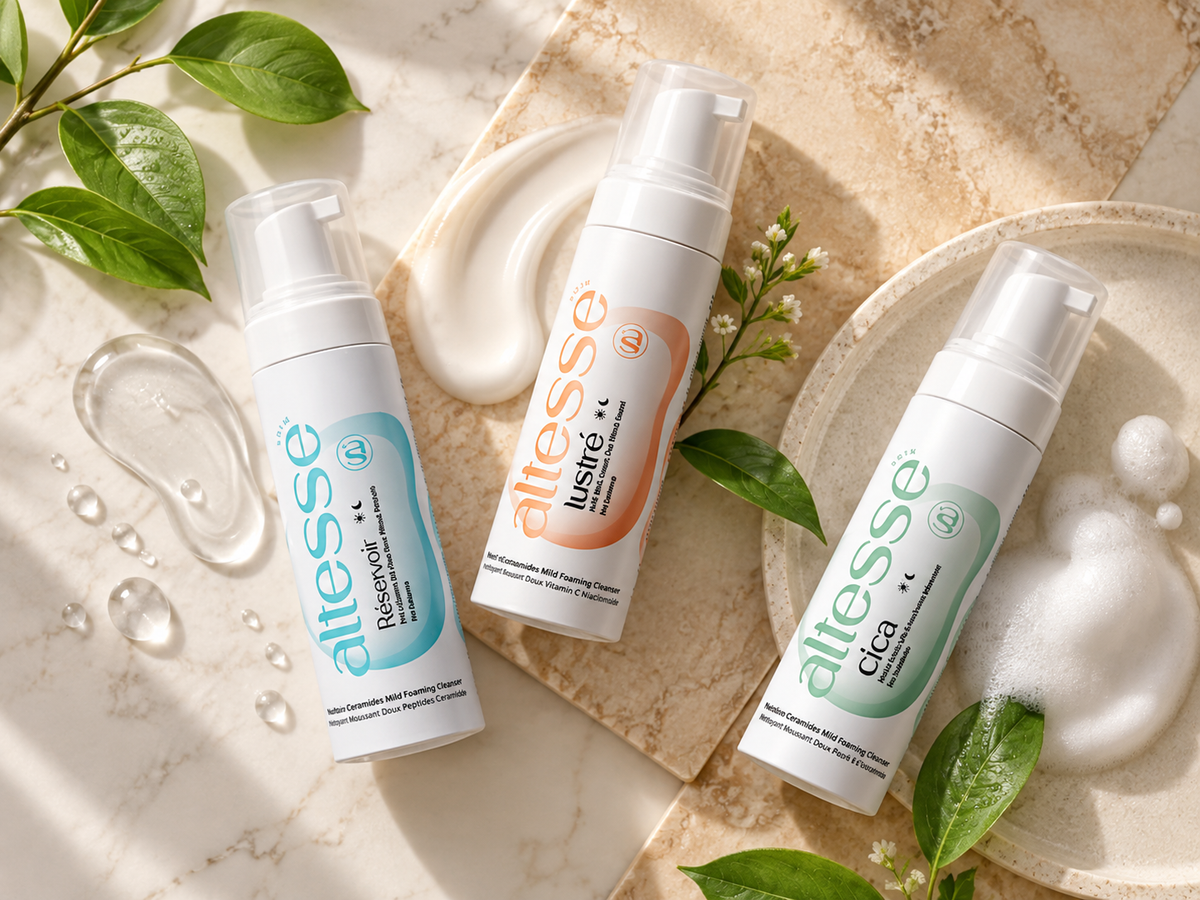
Altesse Cica Mild Foaming Cleanser — A gentle foaming formula designed to clean without over-stripping the skin, making it a solid everyday option for normal, combination, and oily skin that still needs a non-drying wash.
-
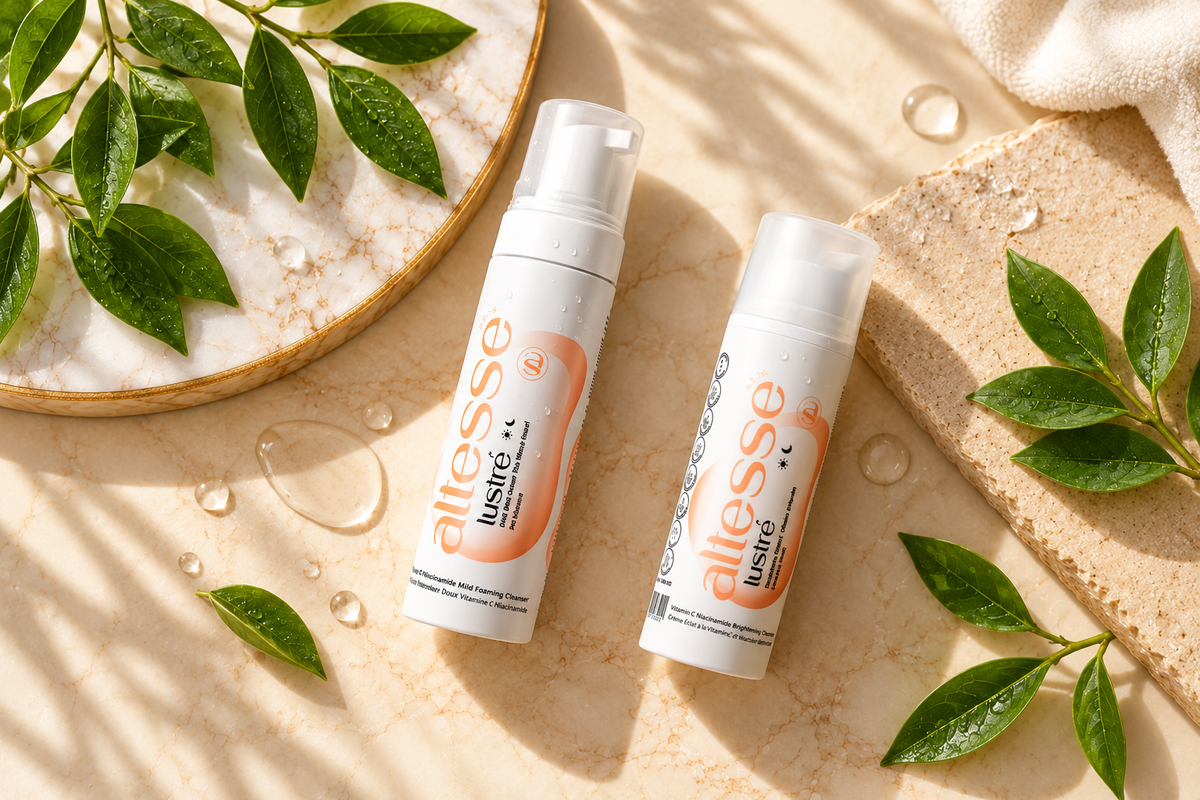
Altesse Lustré Vitamin C & Niacinamide Foaming Cleanser — Pairs gentle cleansing with brightening-supportive ingredients, a good match for skin dealing with dullness, uneven tone, or early signs of pigmentation alongside normal cleansing needs.
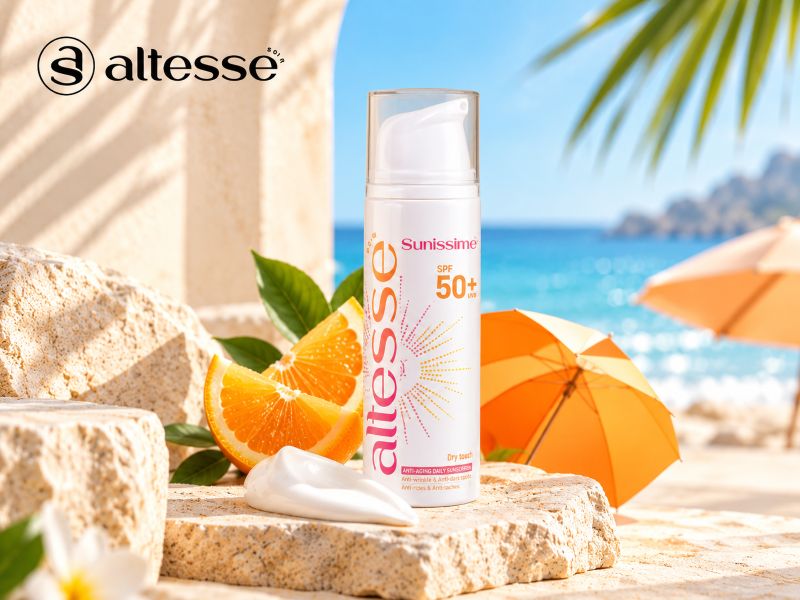
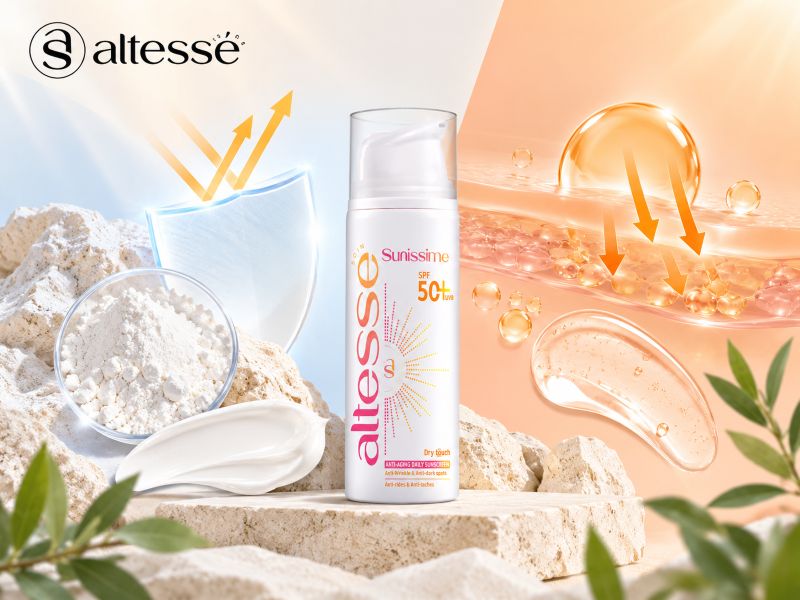
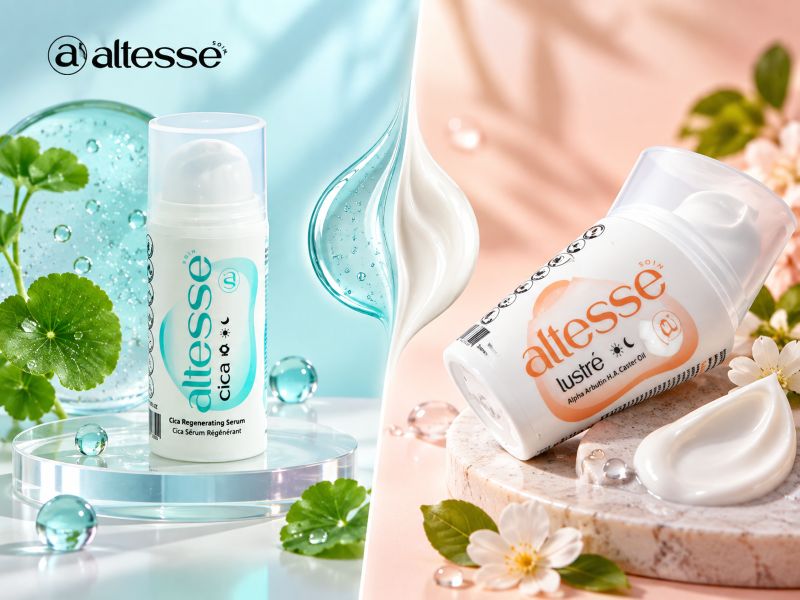
After cleansing, the Altesse Cica Regenerating Serum and Altesse Cica Repairing Gel Cream help support the skin barrier for sensitive, reactive, or post-procedure skin, and Altesse Soin Sunissime SPF50+ completes the morning routine with broad-spectrum sun protection.
(If you can share the English product-page slugs for these, I'll add direct links in the final version.)
Daily Routine That Combines Cleansing and Skincare
A complete routine includes gentle cleansing, suitable hydration, and sun protection in the morning, plus cleansing and makeup removal in the evening — with treatments added only when needed.
Morning Routine
-
Wash your face with a gentle cleanser suited to your skin.
-
Apply a suitable moisturizer to help maintain hydration.
-
Use a broad-spectrum sunscreen with SPF 30 or higher, reapplying as directed and based on sun exposure.
Evening Routine
-
Remove makeup and waterproof sunscreen with a suitable product when needed.
-
Wash your face with a gentle cleanser and rinse thoroughly.
-
Apply any topical treatment that's part of your routine, if applicable.
-
Finish with a moisturizer suited to your skin type.
How to Make Your Routine More Effective
-
Don't change every product at once.
-
Don't use an exfoliating cleanser daily if it's causing dryness.
-
Watch your skin's response when introducing any new product.
-
Keep towels and application tools clean.
-
Remember: a simple, consistent routine beats a crowded one full of unnecessary products.
Healthy skin doesn't require a large number of products — what matters most is choosing the right ones and using them correctly.
Quick Facts About Face Cleansers
-
A cleanser isn't a moisturizer substitute — even with hydrating ingredients, your skin may still need a leave-on moisturizer after washing.
-
Oily skin needs hydration too — having oil doesn't mean skin doesn't need water or moisturizer.
-
Water alone doesn't remove everything — it may not be enough to fully clear oil, makeup, and sunscreen.
-
A cleanser doesn't treat every skin issue — some conditions need medical treatment or evaluation.
-
Fragrance-free doesn't prevent all sensitivity — but it can reduce exposure to certain triggers for sensitive skin.
-
Results vary between people — what works for one skin type may not work for another.
-
Tightness after washing isn't proof of cleanliness — it may signal dryness or a harsh formula.
These facts help you judge a cleanser by its actual function, rather than marketing exaggerations or promises of instant results.
Common Myths and When to See a Doctor
Common misconceptions include the idea that oily skin doesn't need moisturizer, that a stronger cleanser clears acne faster, and that any redness after a new product is normal.
|
Myth |
Medical Reality |
|
More foam means a more effective cleanser |
Foam alone doesn't determine cleansing power or gentleness |
|
A strong cleanser is better for oily skin |
It can cause dryness and irritation — a gentle formula is usually preferable |
|
A cleanser can permanently clear acne |
A medicated cleanser may help, but some cases need additional treatment |
|
Sensitive skin can't use any cleanser |
It can use suitable gentle formulas while avoiding known irritants |
|
You should feel tightness after washing |
Tightness may indicate dryness or an unsuitable product |
When Should You See a Doctor Right Away?
Most cases of cleanser intolerance aren't emergencies, but some reactions need urgent attention:
-
Difficulty breathing or swelling of the tongue or throat — may indicate a severe allergic reaction; call emergency services immediately.
-
Rapid swelling of the face or lips, especially with other symptoms, needs urgent evaluation.
-
Severe pain, visible swelling, or widespread blistering after using a product — stop use and seek urgent medical care.
-
Persistent redness or itching — see a dermatologist if symptoms don't improve after stopping the product.
-
Deep, painful, or scarring acne — needs medical evaluation rather than relying on cleansing alone.
If cleanser gets into your eyes, rinse immediately with plenty of water. If pain continues or vision is affected, seek urgent medical evaluation.
Summary
Choosing the right cleanser starts with understanding your skin — not chasing the most popular or foamiest product on the market. Dry skin usually needs a gentle, hydrating formula; oily skin benefits from balanced cleansing; sensitive skin needs reduced exposure to fragrance and irritants; and acne-prone skin may require suitable treatment ingredients.
Start with a gentle cleanser, watch how your skin responds, and follow up with a suitable moisturizer and daily sunscreen. If you have a persistent skin condition, a medical evaluation is more reliable than trying multiple products without a clear plan.
For questions about Altesse Soin skincare products, reach out via WhatsApp or email: info@altessesoin.com.
Frequently Asked Questions
1. What's the best daily face cleanser?
A gentle cleanser that cleans skin without causing dryness or irritation suits most people. The right texture and ingredients depend on your skin type and needs.
2. Is a foaming cleanser good for dry skin?
Some gentle foaming cleansers can work for dry skin, but a cream or hydrating cleanser is often a better fit when dryness is noticeable.
3. Should you wash your face twice a day?
Washing morning and evening is generally recommended, with an extra cleanse after heavy sweating. You can reduce frequency if your skin is dry or sensitive, based on your needs.
4. What's the best cleanser for oily skin and large pores?
A gentle gel or foaming cleanser is a good starting point, and salicylic acid may help reduce clogged pores for some people. A cleanser can't permanently change pore size.
5. Can you use a face cleanser on sensitive skin every day?
Yes, if the formula is gentle, fragrance-free, and suited to your skin. If it causes burning or persistent redness, stop and evaluate the cause.
6. Does a face cleanser clear acne?
A medicated cleanser with ingredients like salicylic acid or benzoyl peroxide may help some acne cases, but severe or deep breakouts may need additional medical treatment.
7. What's the difference between a face cleanser and regular soap?
Many face cleansers are formulated to be gentler on skin, while traditional soap can be more drying or irritating depending on its formula. A cleanser made for the face is generally the better choice.
8. Do you need to moisturize after cleansing?
Yes — a suitable moisturizer helps maintain hydration and support the skin barrier, even for oily skin.
9. Can a face cleanser remove makeup?
Some formulas can remove light makeup, but waterproof products often need a dedicated makeup remover followed by a suitable cleanser.
10. How do you know a cleanser isn't right for your skin?
Signs include persistent dryness, severe tightness, burning, itching, or redness. Stop the product if it causes clear irritation, and see a dermatologist if symptoms persist.
11. Is a "natural" cleanser better than a regular one?
Not necessarily — "natural" doesn't guarantee a product is gentle or allergen-free. Choose based on ingredients and how well your skin tolerates them.
12. Can you use the same cleanser morning and night?
Yes, if it suits your skin and doesn't cause dryness or irritation. There's no need to switch cleansers between morning and night unless you have a specific reason to.
13. Does a face cleanser brighten skin?
A cleanser isn't a direct brightening product, though it helps remove dirt and product buildup. Pigmentation concerns need their own evaluation and targeted treatment.
14. Can you use a face cleanser daily with a niacinamide serum?
Yes, typically — if both formulas suit your skin. Apply the serum after cleansing as directed, followed by moisturizer, with sunscreen in the morning.
15. When do you need a medicated cleanser instead of a regular one?
You may need a medicated cleanser if you have acne, clogged pores, or a specific skin concern. Consult a dermatologist if the issue is severe, persistent, or accompanied by pain or scarring.