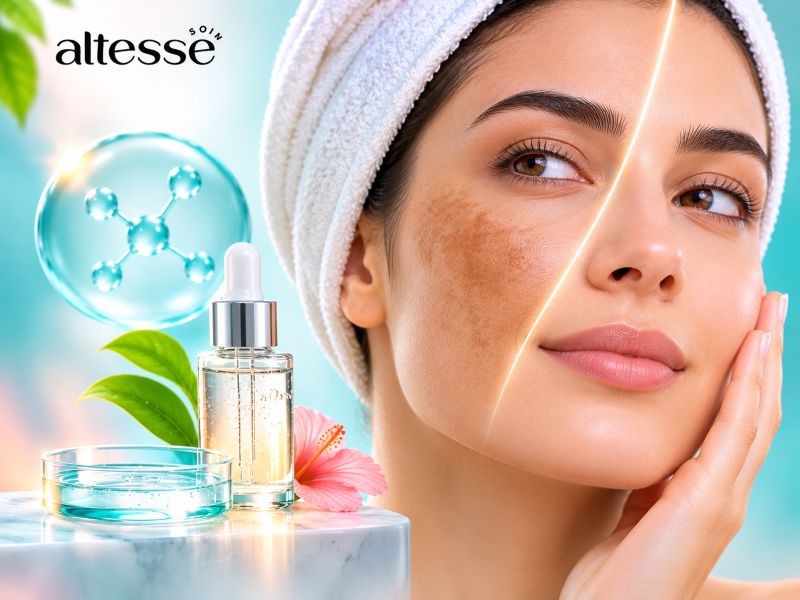
Have you noticed brown or grayish patches on your cheeks, forehead or upper lip, even though you take good care of your skin? Patches like these can come from sun exposure, hormonal changes or the marks that inflammation leaves behind, and more than one cause can be at work at the same time. To understand what causes melasma and skin pigmentation, you first need to tell the types apart, then look at the triggers behind each one, and then choose prevention and care that fit, rather than random home remedies that can make things worse.
Melasma is caused by a mix of factors: ultraviolet light (and, for some people, visible light) switching on the pigment-producing cells, hormonal changes such as pregnancy or hormonal contraceptives, and a genetic tendency. Other kinds of dark spots come from acne, irritation or long-term sun exposure. Sun protection is the one habit that matters most for every type.
Pigmentation happens when the skin makes too much melanin, the natural pigment, or distributes it unevenly. Melasma is one specific pigmentation disorder, usually showing up on the face as symmetrical patches. In this guide you will find the seven most common causes, how melasma differs from other dark spots, a gentle daily routine, and when it is time to see a dermatologist.

What are the main causes of melasma and pigmentation on the face?
1. Sun exposure
Ultraviolet light is the strongest trigger for melanin production. Every unprotected day in the sun can deepen existing patches and encourage new ones. For some people visible light also plays a part, which is why melasma can flare even on cloudy days or indoors near a window.
2. Hormonal changes
Melasma often appears during pregnancy, which is why it is sometimes called the "mask of pregnancy," and with some hormonal contraceptives or hormonal imbalances. Not every woman develops it; it tends to appear in those who are predisposed.
3. Genetics
Having family members with melasma raises your chances. It is also more common in people with medium to deeper skin tones, which includes much of our region.
4. Acne and inflammation
Pimples, cuts and scratches can leave dark marks after they heal. This is called post-inflammatory hyperpigmentation. The more inflamed the area, and the more it is picked or squeezed, the longer the mark tends to last.
5. Irritating skincare and cosmetics
Harsh cleansers, strong exfoliants and some fragrances can inflame the skin, and darker patches may follow. Using several active products at once can push the skin beyond what it can tolerate.
6. Certain medications
Some medicines make the skin more sensitive to the sun and some can affect skin color. Never stop a medicine on your own, but ask your doctor or pharmacist if you notice changes in your skin tone after starting a new one.
7. Heat and other factors
Some specialists believe high heat can stimulate pigment cells in people who are prone to melasma, and stress and poor sleep are often linked with skin flare-ups in general. These factors are less consistent than sun and hormones, but they belong in the whole picture.
Remember: wear sunscreen every day, avoid random whitening products and see a dermatologist to identify the type of pigmentation before choosing a treatment.
What is the difference between melasma and other hyperpigmentation?
Melasma is a specific type of pigmentation disorder that appears on the face as brown or gray patches. "Hyperpigmentation" is a wider term that covers dark spots caused by sun, acne or inflammation.
- Melasma: usually linked to hormones, sun exposure and genetics; typically on the cheeks, forehead, upper lip and chin, often symmetrical on both sides of the face.
- Post-acne marks: caused by the inflammation that comes with breakouts; they appear where pimples used to be.
- Sun spots: result from repeated UV exposure over years; found on the face, hands and other exposed areas.
Care differs by type. Melasma relies on steady sun protection and suitable topical care, and it may need a long-term plan. Other dark spots are managed according to their cause and depth.
Types of skin pigmentation and where they appear
Types differ by cause and by how deep the melanin sits in the skin, so not every patch responds the same way.
- Melasma: brown or gray patches on the cheeks, forehead, upper lip and chin.
- Post-acne pigmentation: dark marks left after inflammation or picking at spots.
- Sun spots: flat spots on areas exposed to the sun, such as the face and backs of the hands.
- Irritation-related pigmentation: can follow harsh products, inflammation or skin injury.
- Medication-related pigmentation: a change in skin tone caused by certain drugs or their reaction with light.
- Pigmentation linked to medical conditions: some color changes point to an illness that needs medical assessment.
Deeper pigmentation generally takes longer to improve. If a new spot appears, or an existing one changes in color, shape or border, see a dermatologist.
How do sun and hormones trigger melasma?
Sun and hormones both influence the pigment cells that make melanin, which is how the brown or gray patches form.
- Sunlight: UV rays stimulate melanin production and darken existing patches. Visible light can aggravate melasma in some people.
- Hormones: the hormonal shifts of pregnancy or some hormonal contraceptives can trigger melasma in people who are predisposed.
- A combined effect: when a genetic tendency meets hormonal changes and sun exposure, melasma is more likely to appear or return after improving.
That is why daily sunscreen is the first pillar of any plan for dealing with melasma.
Common mistakes that make melasma and dark spots worse
Some everyday habits make pigmentation more visible, especially when the skin is irritated or sun protection is neglected.
- Skipping sunscreen. UV exposure darkens patches. Use broad-spectrum SPF30 or higher and reapply every two hours during long sun exposure.
- Using whitening creams at random. Unknown products can irritate or damage the skin; choose what a doctor recommends or what you know the ingredients of.
- Over-exfoliating. Strong acids used too often inflame the skin and can deepen pigmentation.
- Trying irritating home remedies. Lemon juice and other harsh ingredients can burn the skin and leave dark marks.
- Picking at spots and scratching. More inflammation means more marks later.
- Having lasers without a diagnosis. An unsuitable procedure can make melasma worse, especially on skin that is prone to pigmentation.
Stick to a gentle routine of cleansing, moisturizing and sun protection, and talk to a dermatologist before peels or laser sessions.

Best Altesse Soin products for skin prone to pigmentation
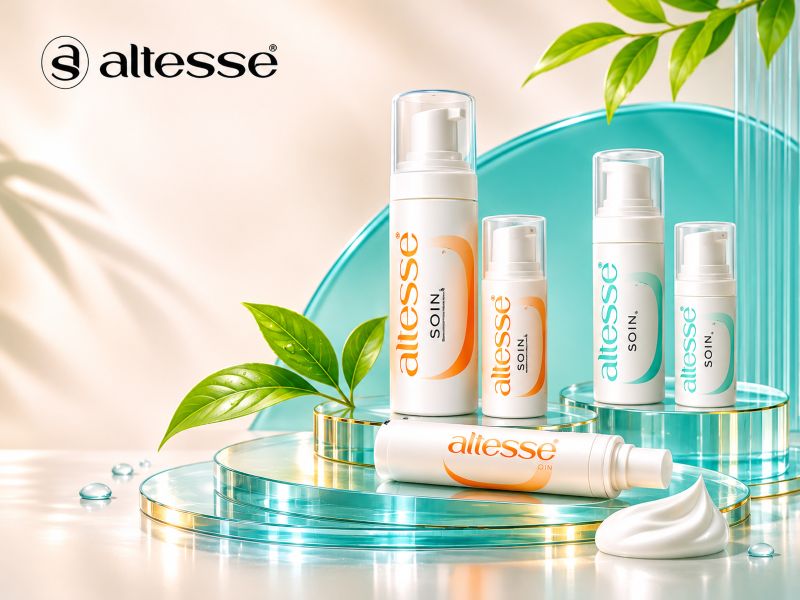
No at-home product treats melasma on its own. Good care combines sun protection with gentle ingredients that support an even skin tone, and avoids irritation. From the Altesse Soin range, these products fit that approach.
1. Lustré Vitamin C Niacinamide Brightening Serum: care aimed at dark spots
If you want a serum that helps brighten and even out your skin tone, this is the core of the routine. The Lustré Brightening Serum combines vitamin C and niacinamide in a formula designed to improve the look of dark spots and give skin an evenly toned glow. Use it in the morning on clean skin, before moisturizer and sunscreen.
Tip: start with once a day for two weeks, increase if your skin is comfortable, and give it several weeks before judging the result.
Discover the Lustré Vitamin C Niacinamide Brightening Serum (30 ml) and order it today from the Altesse Soin store.
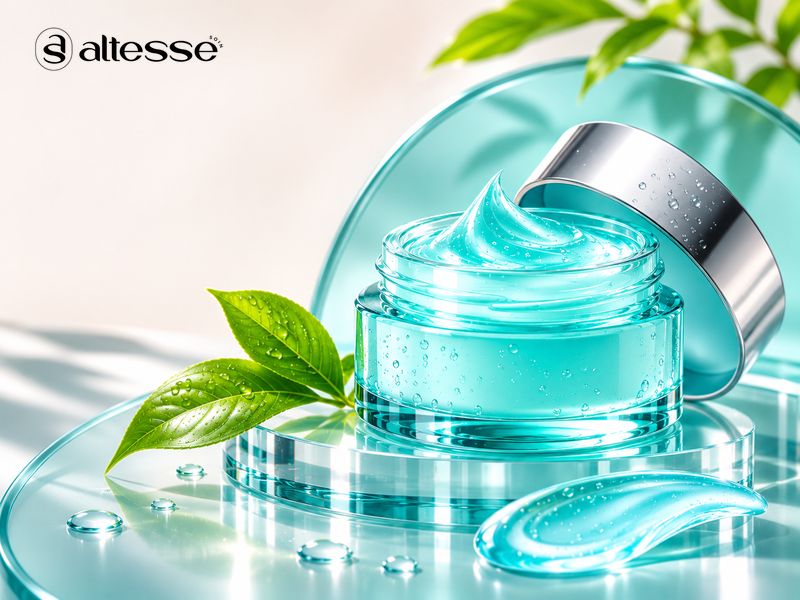
2. Lustré Brightening Gel Cream: light moisture with the same brightening ingredients
After a serum, skin needs moisture that does not feel heavy. The Lustré Brightening Gel Cream has a lightweight, fast-absorbing gel-cream texture and pairs vitamin C and niacinamide with 8 more active ingredients to support radiance and an even tone. It works in both morning and evening routines.
Discover the Lustré Vit C Niacinamide Brightening Gel Cream (50 ml) and order it today from the Altesse Soin store.
3. Sunissime Daily Sunscreen SPF50+: the daily protection everything else depends on
The sun is the number one trigger for melasma, so sunscreen is the most important product in your routine. Sunissime absorbs quickly, leaves no white cast and offers SPF50+, in two versions:
- Sunissime Hydrating Daily Sunscreen SPF50+ for skin that needs extra moisture.
- Sunissime Anti-Aging Daily Sunscreen SPF50+ if you want daily protection with care for signs of aging.
Apply it as the last step of your morning routine and reapply during long periods of direct sun.
4. Lustré Mild Foaming Cleanser: cleansing that supports radiance
The Lustré Vitamin C Niacinamide Mild Foaming Cleanser combines vitamin C, niacinamide and AHA/BHA in a gentle foam that removes impurities and oil and helps brighten skin and refine the look of pores. Because it contains exfoliating acids, use it with care if your skin is sensitive.
Discover the Lustré Vitamin C Niacinamide Mild Foaming Cleanser (30 ml) and order it today from the Altesse Soin store.
5. Cica Regenerating Serum: to calm irritated skin
Irritation makes pigmentation worse, so skin that is irritated or recovering from a strong treatment needs calming. Cica Regenerating Serum contains 5% pure Cica extract to bring comfort and help repair tired skin.
Discover the Cica Regenerating Serum (30 ml) and order it today from the Altesse Soin store.
Note: everyday skincare supports the look of your skin and does not replace a doctor's diagnosis, particularly during pregnancy or breastfeeding, or if you are using a prescribed treatment for melasma.
A daily routine for skin prone to melasma and pigmentation
A gentle, consistent routine helps limit what aggravates pigmentation, and your doctor can add a topical treatment if needed.
Morning routine
- Cleanse with a gentle cleanser that does not dry or irritate.
- Serum: vitamin C and niacinamide serum on clean skin.
- Moisturize with a suitable moisturizer to protect the barrier.
- Sunscreen: SPF30 or higher, ideally SPF50, reapplied during long sun exposure.
Evening routine
- Remove sunscreen and makeup gently.
- Cleanse with a suitable cleanser.
- Apply any topical treatment exactly as your doctor advises, without adding extra exfoliants or whitening creams on your own.
- Moisturize to reduce dryness and irritation.
Natural remedies do not remove every type of melasma and some cause irritation, so it is best to identify the cause first.
How to prevent melasma and dark spots
You can lower the chances of developing melasma, or keep it from worsening, with a few daily habits:
- Use sunscreen: broad-spectrum SPF30 or higher, reapplied regularly.
- Avoid direct sun: especially at peak hours, with a wide-brimmed hat and sunglasses.
- Choose gentle products: avoid anything that irritates your skin.
- Moisturize: to maintain the skin's natural barrier.
- Leave pimples alone: do not pick or squeeze them, to reduce marks after inflammation.
- Be extra careful in pregnancy: wear sunscreen consistently, because the tendency to melasma rises during this time.
Staying consistent with sunscreen is the single most important step.
When will you see improvement?
How fast skin improves depends on the type of pigmentation, how deep it is, its cause and the care used. Patches can take several months to fade. The table below is approximate, not a guaranteed timeline.
| Stage | What to expect |
|---|---|
| First weeks | Better sun-protection habits and fewer triggers, with no guarantee that patches fade |
| After several weeks | Gradual improvement may begin with suitable care |
| After 2 to 3 months | The response becomes easier to judge |
| After several months | Improvement may continue; some cases need the medical plan adjusted |
Deeper pigmentation can take longer, and melasma can come back even after it improves if sun protection is neglected.
How to choose the right care for melasma and dark spots
Before starting anything, consider these points:
- Identify the type of pigmentation: is it melasma, post-acne marks or sun spots?
- Assess how sensitive your skin is: if it irritates easily, choose gentler formulas and a gradual plan.
- Know the history: when the patches appeared and what was happening then helps with diagnosis.
- Consider pregnancy and breastfeeding: some treatments are not suitable then, so ask your doctor first.
- Avoid unrealistic promises: no remedy guarantees fast or permanent removal of pigmentation.
- Keep protecting your skin from the sun: neglecting it weakens any result and brings the patches back.
If a spot is new, changing quickly or looks different from your usual pigmentation, do not start whitening creams before a medical check.
Myths and facts about melasma and pigmentation
- Myth: "Melasma only appears because of pregnancy." Fact: it can also be linked to sun, genetics and other hormonal changes.
- Myth: "Whitening creams remove pigmentation permanently." Fact: they may lighten patches, but results vary and melasma can return.
- Myth: "Dark skin does not need sunscreen." Fact: every skin tone needs protection from UV rays.
- Myth: "Strong peels remove spots quickly." Fact: they can inflame the skin and increase pigmentation.
- Myth: "Natural remedies are always safe." Fact: ingredients such as lemon can irritate and leave dark marks.
- Myth: "Lasers suit all types of pigmentation." Fact: the choice depends on the type of spot and skin tone, and an unsuitable laser can worsen melasma.
Who can benefit from these care approaches?
- People with melasma: patches on the face linked to hormones or sun.
- People with post-acne marks: to help improve the look of dark marks after inflammation.
- People with sun-related spots: patches in areas that are exposed to the sun.
- People with uneven skin tone: who want to improve how skin looks with suitable products.
If you are pregnant or breastfeeding, talk to your doctor before using any new treatment for pigmentation.
When to see a doctor
Melasma is usually harmless, but some spots can look similar and need to be examined, because color alone cannot confirm a diagnosis. See a dermatologist if you notice:
- A new spot that changes quickly in size, color or shape.
- A spot with an irregular border or several colors.
- Bleeding, an open sore or a wound that will not heal on a pigmented area.
- Persistent itching, pain or unusual symptoms with the patches.
- Pigmentation that worsens even after you stop irritating products and care for your skin properly.
- Widespread pigmentation or unexplained color changes.
Seek emergency help for sudden swelling or difficulty breathing after using any product.
FAQ: causes of melasma and skin pigmentation
What causes melasma?
Common causes include sun exposure, hormonal changes, genetics, skin inflammation, acne marks and some medications. The actual cause depends on the type of pigmentation, where it is and when it appeared.
Is melasma dangerous?
Melasma is usually a harmless skin condition that can affect appearance and confidence. Spots that are unusual or changing quickly should still be checked to rule out other problems.
What is the difference between melasma and sun spots?
Melasma usually involves a mix of hormones, genetics and sun, and shows up as clustered patches on the face. Sun spots come from repeated sun exposure over years and can also appear on the hands.
Can melasma go away on its own?
For some people it improves by itself, especially when linked to a temporary hormonal change, and for others it lasts for years. Sun protection and suitable care help improve its look and reduce the chance of it returning.
Do hormones cause melasma in women?
They can contribute, for example in pregnancy or with some hormonal contraceptives. But hormones are not the only cause; sun and genetics play a part too.
Can melasma be improved with creams alone?
Many cases improve with suitable topical care and sun protection, but some need further options chosen by a doctor depending on the type and depth of melasma.
Is laser suitable for every type of pigmentation?
No. The choice depends on the type and depth of pigmentation and on skin tone. Using it in an unsuitable case can increase pigmentation, so it should follow a proper diagnosis.
How do I stop melasma from coming back?
Protect your skin from the sun daily with a broad-spectrum sunscreen, wear a hat, avoid irritating products and follow your treatment plan and medical follow-up if you have one.
Is sunscreen alone enough to stop melasma getting worse?
It is the most important step but is not always enough on its own. You may need topical care that you decide on with your doctor, along with avoiding other triggers.
Contact Altesse Soin
If you need help choosing the right product for your skin, the Altesse Soin team is happy to answer your questions:
- WhatsApp: +20 100 114 3374
- Email: info@altessesoin.com
- Phone: +20 100 114 3374