Want smoother, brighter skin, but your last strong cream left you red and flaking? The problem is usually how you started, not retinol itself. Here is how to find the best retinol cream for face care and start it safely.
Quick answer: The best retinol cream for your face is the one your skin tolerates: a low strength to start, used at night, with moisturizer and daily sunscreen. Retinol helps renew skin, soften fine lines, improve uneven tone and smooth texture, and it should not be used during pregnancy.

Best Retinol Cream for Face: What Is Retinol and How Does It Work?
Retinol is a vitamin A derivative that speeds up skin cell turnover and supports collagen. That makes it one of the most popular active ingredients in anti-aging skincare, and it is also used to improve skin tone and texture.
Retinol belongs to a wider family called retinoids, which are vitamin A-based products. The American Academy of Dermatology explains that retinoids speed up the turnover of surface skin cells and boost collagen, which improves skin tone and reduces fine lines, and that retinol in particular is routinely used to improve uneven tone, pigmentation and texture.
Picture old skin cells building up on the surface, leaving skin dull and rough. Retinol encourages your skin to replace them with newer cells, which is why skin looks fresher with consistent use. But that same strength can cause dryness and irritation at first, so success depends on choosing the right strength and starting gradually.
If you are not sure of your skin type, start with how to know your skin type easily, because your skin type shapes how well you tolerate retinol.
What Are the Benefits of Retinol Cream for Skin?
It softens fine lines, refines texture, helps with mild pigmentation and supports collagen, and it can help mild acne. Here is what consistent use can do:
- Fewer fine lines and wrinkles: Faster cell renewal and collagen support leave skin looking smoother and fuller.
- Skin renewal: Clearing away dead cells makes skin look fresher and more radiant.
- More even tone: Retinol is used to improve mild pigmentation and uneven tone, though it takes time and sun protection.
- Smoother texture: It reduces roughness and makes the surface more uniform.
- Support for mild acne: Retinoids help unclog pores and reduce congestion.
- Early prevention: Starting at a suitable age may slow the first visible signs of aging.
Scientific reviews note that retinoids have shown histological and clinical improvement in treating skin aging, though most studies were carried out on sun-damaged skin. They also point out that retinol is considerably less irritating than stronger retinoids such as tretinoin and tazarotene, which makes it a relatively gentle starting point.
Who Is Retinol Right For, and Who Should Avoid It?
It suits most people looking to improve fine lines, mild pigmentation and mild acne, but it is not right for every situation. It may be a good fit if you recognize yourself here:
- ✓ Early fine lines: You are noticing the first lines around the eyes or forehead.
- ✓ Dull or rough skin: You want more radiance and a smoother feel.
- ✓ Mild pigmentation: Dark spots or post-acne marks need gradual improvement.
- ✓ Mild acne: You have blackheads and light congestion.
- ✓ Prevention goals: You would like to start anti-aging care early.
Avoid it or talk to your doctor first if you are:
- ✗ Pregnant, planning pregnancy or breastfeeding, since retinoids should not be used during pregnancy.
- ✗ Dealing with skin allergies, very dry skin, eczema, or noticeable redness and inflammation such as rosacea.
- ✗ Living with moderate or severe acne scarring, or acne linked to your periods or hormonal changes such as excess hair growth.
If your skin is darker, be extra watchful, because irritation can trigger dark marks. The answer is to start slowly and moisturize well, as the American Academy of Dermatology advises.
What Is the Difference Between Retinol and Prescription Retinoids?
Retinol is available without a prescription and is milder, while prescription retinoids such as tretinoin are stronger and used under a doctor's guidance. This quick comparison helps:
| Comparison | Low-strength retinol | Higher-strength retinol | Prescription retinoid |
|---|---|---|---|
| Best for | Beginners and sensitive skin | Those who tolerated low strength | Acne or more advanced signs of aging |
| Irritation risk | Lower | Moderate | Often higher |
| Speed of results | Slower and gentler | Relatively faster | Fastest and strongest |
| Medical supervision | Consultation advised | Consultation advised | Required |
It is worth knowing that over-the-counter products are not always required to state their retinol percentage on the label, which is why dermatologists advise choosing the gentlest formula you can find and starting there. Any prescription retinoid, like tretinoin, should be used only as your doctor directs.
How Do You Choose the Best Retinol Cream?
Pick a low-strength, hydrating cream in light-protective packaging. Use these criteria:
1. A low strength to begin
Dermatologists suggest using the gentlest formula you can find, then raising strength gradually only if your skin tolerates it. A higher percentage does not mean faster results, only more irritation.
2. A moisturizing cream texture
A cream is usually kinder to dry and sensitive skin because it contains hydrating ingredients. Oily skin may prefer a lighter gel or serum texture.
3. Soothing and hydrating ingredients
Look for ceramides, hyaluronic acid and niacinamide, which soften the dryness retinol can cause. Learn how they work together in how to use niacinamide with hyaluronic acid.
4. Airtight, opaque packaging
Retinol is sensitive to light and air, so choose dark tubes or airless pumps.
5. No extra irritants
Skip heavily fragranced or alcohol-heavy formulas if your skin is sensitive, and patch test on a small area before applying to your whole face.
Expert tip: Start with only one retinol product, and do not add a new acid or active in the same period.
How Do You Use Retinol Cream the Right Way?
Apply a pea-sized amount at night to clean, dry skin, starting just two to three times a week. These are the safe-use tips, step by step:
- Wash with a gentle cleanser: Avoid strong or exfoliating cleansers on retinol nights.
- Dry your skin thoroughly: Many doctors advise waiting a little after washing, because damp skin absorbs more and irritates faster.
- Protect sensitive spots: Dab a little moisturizer or petroleum jelly around the corners of your nose and mouth and under your eyes first.
- Use a pea-sized amount: Dot it over your face and massage gently without rubbing.
- Follow with a moisturizer: A hydrating layer eases dryness and helps skin adapt.
- Go slowly: Two to three nights a week for about two weeks, then increase if there is no excessive irritation.
- Protect your skin in the morning: Apply SPF 30 or higher every day, since retinol makes skin more sun sensitive.
Expert tip: If you feel dryness or redness, skip a night or two, add a richer moisturizer, then return with a smaller amount.
Warning: Do not double the amount for faster results. More product does not speed things up, it only increases irritation and may make you quit altogether.
For layering, read the order of applying face creams so your products do not clash.
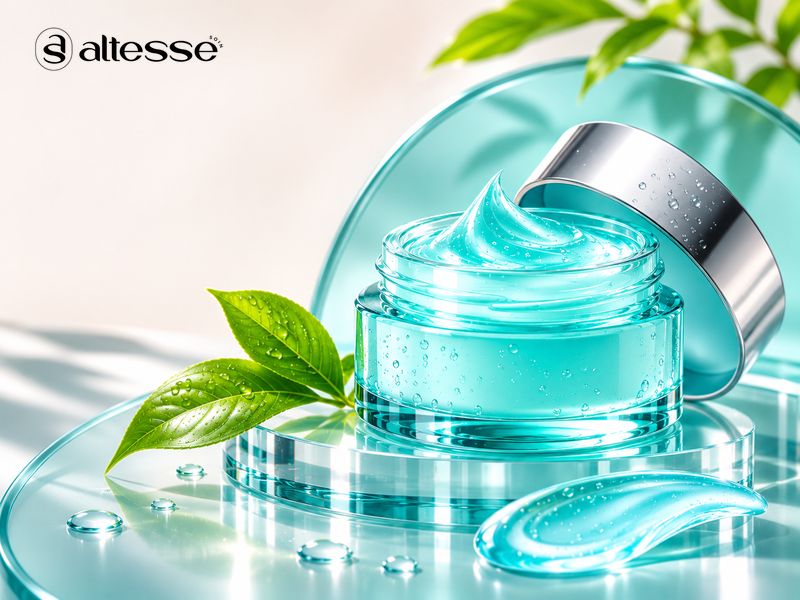
Prepare your skin for retinol with gentle hydration from the Reservoir Peptides and Ceramides Hydrating Gel Cream, which supports the barrier and softens dryness.

How Do You Start Retinol Gradually? A Week-by-Week Schedule
Start slow: two nights a week, then three, and increase only when your skin is calm. This suggested schedule can be adjusted to how your skin responds:
| Stage | Nights per week | What to do |
|---|---|---|
| Weeks 1 and 2 | Two nights | Pea-sized amount, followed by a gentle moisturizer |
| Weeks 3 and 4 | Three nights | Only if there is no excessive irritation |
| From week 5 | Every other night | If tolerated, continue this pattern |
| After 2 to 3 months | Based on tolerance | Consider a higher strength after talking to your doctor |
The goal is not to reach daily use quickly but to let your skin adapt. Using retinol once or twice a week consistently for months beats daily use that ends in irritation and quitting.
Which Ingredients Pair With Retinol, and Which Need Caution?
Retinol pairs well with barrier-repairing moisturizers and morning vitamin C, but needs care around exfoliating acids. Here is a quick guide:
Safe and effective with:
- Hyaluronic acid and ceramides: They replace lost moisture and support the barrier while you adapt.
- Niacinamide: Calms the skin, evens tone and fits most routines.
- Vitamin C: Adds glow and antioxidant protection, best used in the morning while retinol goes on at night. See how to use vitamin C serum on your face.
- Sunscreen: Essential every day with any retinoid.
Use with caution:
- Salicylic acid: It can dry you out if layered with retinol on the same night, so alternate nights. Read how to use salicylic acid on your face safely.
- Exfoliating acids (AHA and BHA): They can increase irritation, so give each its own nights.
Avoid:
- Physical scrubs and rubbing: They double the irritation and weaken the barrier.
- Too many actives at once: Add one new product at a time.
What Are the Common Side Effects, and How Do You Handle Them?
Dryness, redness and flaking are common in the first weeks and usually ease as skin adapts and you scale back. Doctors warn that using retinoids daily from the very first day can cause excessive irritation, redness and dryness.
- Dryness and flaking: Cut back on nights and add a barrier-repairing moisturizer in the evening.
- Redness or a burning feeling: Pause for two or three nights, then return with less product and less often.
- Sun sensitivity: Apply sunscreen every morning and reapply during long exposure.
- Temporary breakouts: You may notice some at first as skin renews faster, and they usually settle with calm, steady use.
- Severe irritation, pain or swelling: Stop the product right away and see your doctor.
To learn the signs of a stressed barrier and how to support it, read signs of a damaged skin barrier.
When Will You See Results From Retinol Cream?
Noticeable results take several weeks of consistency and become clearer over a few months. Here is a realistic timeline:
Weeks 1 to 4:
- ✓ Your skin adapts, and mild dryness or flaking may appear.
- ✓ Slightly smoother texture as the surface begins to renew.
One to three months:
- ✓ A fresher, more radiant look.
- ✓ Early improvement in fine lines and mild pigmentation.
Three months and beyond:
- ✓ Visibly better texture and more even tone, as long as you protect from the sun.
- ✓ Better results that continue with regular use.
Important: Retinol does not work in a week, and any product promising that deserves caution. Patience, consistency and sunscreen are the keys.
What Are the Most Common Retinol Mistakes?
The biggest mistakes are starting daily on night one, skipping sunscreen and mixing it with strong acids. Here are the mistakes and fixes:
- Mistake 1: Daily use from the start. Fix: Begin with two nights a week and build up.
- Mistake 2: Skipping sunscreen. Fix: Apply it every morning. See the best daily sunscreen.
- Mistake 3: Using too much. Fix: A pea-sized amount covers your whole face.
- Mistake 4: Mixing it with strong acids on the same night. Fix: Alternate nights.
- Mistake 5: Using it during pregnancy. Fix: Stop and consult your doctor.
- Mistake 6: Applying it on damp skin. Fix: Dry your face fully and wait a little.
- Mistake 7: Quitting at the first flaking. Fix: Lower the dose and add hydration, since many symptoms are temporary.
Altesse Soin Products That Support Your Retinol Routine
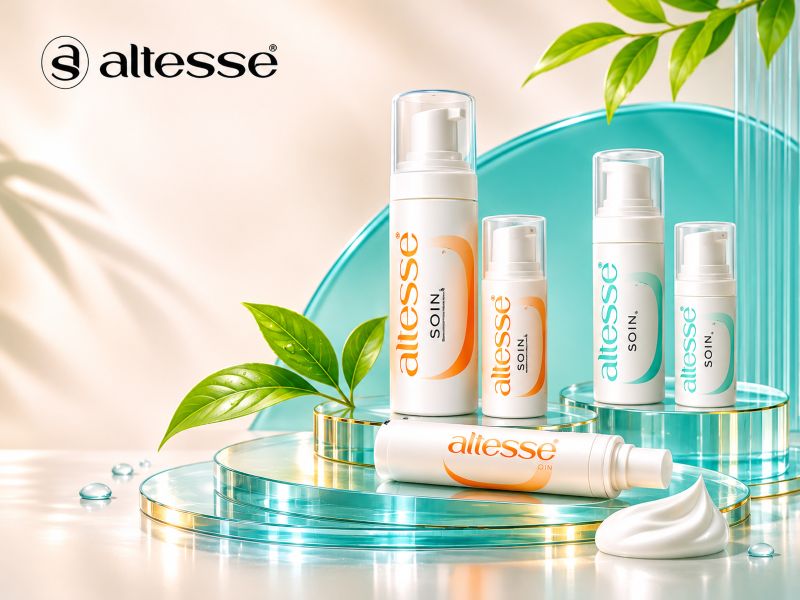
Retinol success does not depend on the cream alone but on the hydration, calming and sun protection around it. From the Altesse Soin range, we picked five steps that complete your routine and protect your skin while it adapts.
1. Reservoir Gel Cream: Hydration that supports the barrier
What skin needs most alongside retinol is hydration that replaces lost moisture and supports the protective layer. The Reservoir gel cream combines ceramides and peptides in a light texture that sits between a gel and a cream, and its description says it delivers hydration lasting up to 48 hours.
Usage tip: Apply it right after retinol on retinol nights, and as your main moisturizer on other days.
Order the Reservoir Peptides and Ceramides Hydrating Gel Cream (50 ml) and give your skin the support it needs.
2. Cica Repairing Gel Cream: To calm irritated skin
If redness or discomfort shows up after retinol, you need a moisturizer that soothes. The Cica gel cream is designed for sensitive and irritated skin, offering calming hydration that helps you recover on your rest nights.
Usage tip: Use it on nights you skip retinol, or after retinol if your skin is sensitive.
Discover the Altesse Cica Repairing Gel Cream for sensitive and irritated skin (50 ml) for comfort that calms your skin.
3. Sunissime Anti-Aging Daily Sunscreen SPF50+: The non-negotiable shield
There is no retinol without sunscreen. The Sunissime anti-aging daily sunscreen SPF50+ gives everyday protection that helps preserve your renewal results and prevents pigmentation from returning.
Usage tip: Make it the last step of your morning routine, and reapply during long sun exposure.
Choose the Sunissime Anti-Aging Daily Sunscreen SPF50+ (50 ml) and finish your routine with full protection.
4. Lustré Vitamin C and Niacinamide Serum: Your morning partner
Retinol works at night, while vitamin C can handle radiance in the morning. The Lustré brightening serum combines vitamin C with niacinamide to support glow and even tone, so its results complement what retinol renews.
Usage tip: Use it in the morning before moisturizer and sunscreen, not on the same night as retinol.
Try the Altesse Soin Lustré Vitamin C and Niacinamide Brightening Serum (30 ml) for a brighter morning.
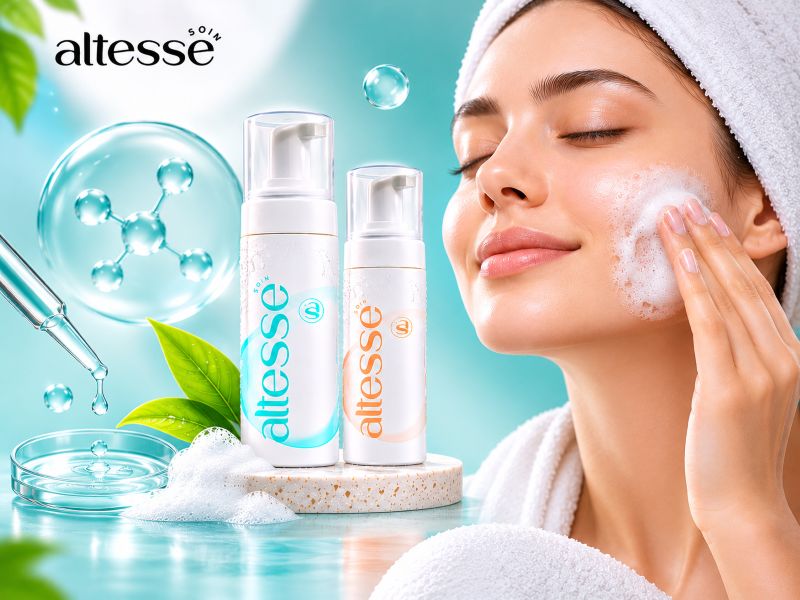
5. Cica Mild Foaming Cleanser: A gentle start that does not dry you out
While you use retinol, your skin needs a cleanser that does not add to dryness. The Cica mild foaming cleanser is made for sensitive skin, so it cleans gently without stressing the barrier on retinol nights.
Usage tip: Use it in the evening before retinol, and dry your skin thoroughly after rinsing.
Order the Cica Mild Foaming Cleanser (180 ml) and begin your evening with gentle cleansing.
What Is the Best Full Routine With Retinol, Morning and Night?
Morning: cleanse, brighten, moisturize, protect. Night: cleanse, retinol, moisturize. Here is the daily routine we suggest:
Morning:
- Gentle cleanser: the Cica Mild Foaming Cleanser.
- Vitamin C serum: the Lustré Brightening Serum for morning glow.
- Light moisturizer: the Reservoir Gel Cream.
- Sunscreen: the Sunissime Anti-Aging Sunscreen as the final step.
Night (retinol nights):
- Gentle cleanser: the Cica Mild Foaming Cleanser (180 ml), then dry completely.
- Retinol cream: a pea-sized amount.
- Repairing moisturizer: the Cica Gel Cream or Reservoir.
Night (rest nights): Gentle cleanser and a repairing moisturizer only, with no retinol or acids.
If acne is part of your picture, read our skincare routine to get rid of acne.
Quick Facts About Retinol Cream
- Retinol belongs to the retinoid family derived from vitamin A.
- It speeds up skin cell turnover and supports collagen.
- It is less irritating than stronger retinoids such as tretinoin.
- Use it at night, with sunscreen in the morning.
- It should not be used during pregnancy.
- Begin with two nights a week and build gradually.
- Results take weeks to months, not days.
Common Myths About Retinol
Myth 1: "A higher strength gives faster results." Reality: more is not better, and a higher strength often just means more irritation.
Myth 2: "Retinol thins your skin." Reality: it speeds up renewal and supports collagen, but it does need sun protection.
Myth 3: "You can use it morning and night." Reality: night is best, because it increases skin's sensitivity to the sun.
Myth 4: "Flaking means it is not working." Reality: mild flaking is common at the start and usually eases as skin adapts.
Myth 5: "All retinols are the same." Reality: formulas, strengths and gentleness differ, and prescription retinoids are stronger than over-the-counter ones.
When Should You See a Doctor Right Away?
See a dermatologist before starting if you have a skin condition, and straight away if severe irritation appears. It is wise to consult a skin specialist in these cases:
- Pregnancy, planning pregnancy or breastfeeding.
- Severe redness, constant burning, swelling or sores after use.
- Eczema, rosacea or any active skin inflammation.
- Moderate or severe acne scarring, or hormonal acne.
- Dark patches that appear or worsen during use.
- You want to move to a prescription retinoid or raise your strength.
This article is for education and does not replace a doctor's diagnosis or prescription.
Frequently Asked Questions About the Best Retinol Cream for Face
What is the best retinol cream for face use?
It is the one that suits your skin: low strength to start, a moisturizing texture and protective packaging, used at night with sunscreen in the morning. There is no single best for everyone, since your skin's tolerance is the measure.
When should I start using retinol cream?
You can start when you notice early lines, pigmentation, or want prevention, ideally after talking to your doctor if your skin is sensitive or you have a skin condition.
How many times a week should I use retinol?
Start with two to three times a week for about two weeks, then increase gradually if there is no excessive irritation, working up to every other night or more depending on your skin.
Should I use retinol in the morning or at night?
At night, because it makes skin more sensitive to the sun. In the morning, apply SPF 30 or higher.
Can I use retinol with vitamin C?
Yes, at different times: vitamin C in the morning and retinol at night. This lowers irritation and lets each ingredient work at its best time.
Is retinol suitable for sensitive skin?
It may be, with great care: low strength, low frequency and good hydration, ideally after consulting your doctor. If you have eczema or marked redness, avoid it until you speak to a doctor.
Can I use retinol during pregnancy or breastfeeding?
No. Medical sources advise avoiding retinoids during pregnancy, and recommend asking your doctor if you are planning pregnancy or breastfeeding.
Why is my skin peeling after retinol?
Because retinol speeds up cell turnover, some older cells lift and flake, especially early on. Use it less often, add a repairing moisturizer and return slowly, and see your doctor if it gets severe.
Does retinol treat pigmentation and acne marks?
It is used to improve mild pigmentation and uneven tone, but it takes months and strict sun protection. For deeper pigmentation or visible scars, consult your doctor.
Can I use retinol around the eyes?
The skin around your eyes is thin and sensitive, so use a product made for that area or ask your doctor, and apply a protective moisturizer layer before any retinol near it.
What is the difference between retinol cream and retinol serum?
A cream is usually more hydrating and gentler on dry or sensitive skin, while a serum is lighter and suits oily skin. Results depend more on strength and formula than on the format alone.
When will I see results from retinol cream?
You may notice smoother texture within weeks, while lines and pigmentation take several months of consistent use with daily sunscreen.
Need help building a routine around your skin? The Altesse Soin team is happy to answer your questions.
WhatsApp: https://wa.me/201001143374
Email: info@altessesoin.com
Phone: +2 010 0114 3374
Medical References
- American Academy of Dermatology Association. Retinoid or retinol? https://www.aad.org/public/everyday-care/skin-care-secrets/anti-aging/retinoid-retinol
- American Academy of Dermatology Association. National healthy skin month: dermatologists provide tips on caring for your skin, hair, and nails. https://www.aad.org/news/national-healthy-skin-dermatologists-provide-tips-on-skin-hair-nails
- Mukherjee S, et al. Retinoids in the treatment of skin aging: an overview of clinical efficacy and safety. Clinical Interventions in Aging. 2006;1(4):327-348. https://pmc.ncbi.nlm.nih.gov/articles/PMC2699641