You've started a vitamin C serum, glanced in the mirror, and wondered: is my face a little fuller, or a little puffy? It's a common worry, and the honest answer has two sides. A well-formulated serum can make skin look smoother and more plump, but real swelling is never a sign that the product is "working". This guide explains the difference, what vitamin C actually does for your skin, how to use it safely, and when to stop and get help.
Does Vitamin C Serum Make Your Face Puffy?
No, topical vitamin C serum is not known to make the face puffy or increase facial volume. It can make skin look smoother, brighter and temporarily more plump, especially when the formula also hydrates. But swelling, redness, itching or burning after use is not a benefit. It can point to irritation or an allergic reaction to the formula. Stop using the product and seek advice, and get emergency help right away if the lips, tongue or throat swell or breathing becomes difficult.
What Is Vitamin C Serum, and What Does It Do for Skin?

Vitamin C serum is a topical product containing vitamin C (such as L-ascorbic acid) or one of its derivatives. Vitamin C is an antioxidant that helps protect skin from oxidative stress caused by sunlight and pollution, and it plays a role in the skin's natural collagen production.
In skincare, vitamin C is mainly used to:
-
Improve radiance and reduce dullness.
-
Reduce the look of dark spots and uneven tone over time.
-
Support collagen as part of a routine aimed at fine lines.
-
Help defend skin against environmental stress.
Results depend on the type of vitamin C, its concentration, how stable the formula is, and how well your skin tolerates it.
Puffy vs. Plump vs. Swollen: What's the Difference?
People use these words loosely, so it helps to separate them.
|
What you notice |
What it usually means |
What to do |
|
Smoother, slightly fuller-looking skin |
Good hydration from the formula (for example humectants) and a healthy moisture barrier. It is a surface effect, not extra volume. |
Keep your routine consistent. |
|
Radiant, even-looking skin |
Antioxidant and brightening effects building over weeks |
Keep using sunscreen daily. |
|
Puffiness around the eyes or face in the morning |
Often unrelated to the serum: sleep, salt, alcohol, allergies, sinus congestion, fluid retention |
Review lifestyle factors; see a doctor if it persists. |
|
Swelling with redness, itching or burning |
Possible irritation or allergic reaction to an ingredient |
Stop the serum, rinse gently, seek advice. |
|
Swollen lips, tongue or throat, trouble breathing |
Possible severe allergic reaction |
Seek emergency care immediately. |
Can Vitamin C Serum Make Skin Look Plumper?
It can make skin look fuller in a limited way. Two things contribute:
-
Hydration. If the serum contains moisturizing ingredients such as hyaluronic acid or glycerin, the skin surface holds more water, which makes it look smoother and bouncier. This effect is temporary and tied to continued use.
-
Collagen support over time. Vitamin C is involved in collagen formation, and regular use as part of a sun-protected routine may help improve the look of fine lines gradually. This is a slow, modest change, not a filler-like effect.
Vitamin C serum does not add fat or volume to the face, and it is not a substitute for in-clinic treatments.
What Are the Benefits of Vitamin C Serum for Your Face?
-
Brighter-looking skin: Helps reduce dullness.
-
Less visible dark spots: May help fade the look of uneven tone gradually.
-
Antioxidant protection: Helps counter oxidative stress from the environment.
-
Collagen support: May improve the look of fine lines over time.
-
Smoother texture: Skin can look more even when hydration and tone improve.
-
Support for sun protection habits: Works alongside, not instead of, sunscreen.
Benefits vary by person and product. Vitamin C will not erase wrinkles or guarantee that every dark spot disappears.
When Will You See Results?

|
Timeframe |
What you might notice |
|
First days |
Skin may feel more hydrated if the formula contains moisturizers. This is not a lasting change. |
|
2–4 weeks |
Some people notice gradually improved radiance. |
|
4–8 weeks |
Uneven tone may look better for some people. |
|
8–12 weeks or more |
Gradual changes in some dark spots and sun-related signs of aging, with individual variation. |
For a deeper look at timing, read our guide: How Long Does Vitamin C Serum Take to Work?.
Why Might Your Face Look Puffy After Using a New Serum?
If your face looks puffy, the serum might be involved, or it might not. Consider these possibilities.
|
Possible cause |
Clues |
|
Irritation (irritant contact dermatitis) |
Stinging, redness, tightness, flaking, often soon after use |
|
Allergic reaction (allergic contact dermatitis) |
Itching, swelling, rash that may appear hours to a day or two after use |
|
Damaged skin barrier |
Skin feels sore or tight and reacts to many products. See Signs of a Damaged Skin Barrier. |
|
Unrelated causes |
Salty food, alcohol, poor sleep, seasonal allergies, sinus problems, hormonal changes, fluid retention |
A simple test is timing. Swelling that appears with itching or redness soon after applying a new product points to the product. General morning puffiness that comes and goes points elsewhere.
Who Should Use Vitamin C Serum, and Who Should Be Careful?
Vitamin C suits many skin types when the formula is appropriate.
-
Dull skin: may benefit from brightening formulas.
-
Skin with dark spots: may see gradual improvement with sun protection.
-
Skin with fine lines: a useful addition to a protective routine.
-
Normal and combination skin: can usually try a gentle formula.
-
Oily skin: lightweight, non-greasy textures are often more comfortable.
-
Dry skin: look for a formula that also hydrates, followed by a moisturizer.
-
Sensitive or compromised skin: needs extra caution, especially with high-strength L-ascorbic acid or low-pH formulas. Wait until irritation settles before introducing a new active.
If you have active inflammation, cracked skin, or a known allergy to a listed ingredient, avoid the product and ask a dermatologist.
How Do You Choose the Right Vitamin C Serum?
|
Factor |
What to look for |
|
Form of vitamin C |
L-ascorbic acid is the classic form but can be more irritating. Derivatives such as magnesium ascorbyl phosphate may be gentler for some skin. |
|
Concentration |
Higher isn't always better, especially for sensitive skin. |
|
Hydrating ingredients |
Hyaluronic acid or glycerin help comfort and the temporary plump look. |
|
Stability |
Opaque or airtight packaging helps protect vitamin C from air and light. |
|
Transparency |
Check the full ingredient list, expiry date and the brand's information. |
|
Your own skin |
Patch test first and introduce it gradually. |
How to Use Vitamin C Serum Correctly
-
Cleanse gently with a mild cleanser and pat the skin dry.
-
Patch test first. Apply a small amount to a small area (such as the inner forearm or behind the ear) as the label directs and watch for a reaction before using on the face.
-
Apply a suitable amount as directed, avoiding cracked or irritated skin.
-
Avoid the eye area unless the product says it's safe there.
-
Follow with a moisturizer to support the skin barrier.
-
Use sunscreen in the morning, broad spectrum SPF 30 or higher, and reapply as directed.
-
Build up gradually if you're new to vitamin C or have sensitive skin.
-
Stop if you see swelling, persistent redness or itching.
Tip: Consistency and good tolerance matter more than strength or frequency.
What Is a Simple Daily Routine With Vitamin C?
Morning
-
Gentle cleanser
-
Vitamin C serum, as directed
-
Moisturizer suited to your skin type
-
Broad-spectrum sunscreen, SPF 30 or higher
Evening
-
Remove makeup and sunscreen, then cleanse gently
-
Moisturizer to support the skin barrier
-
Any other treatment as directed by your doctor or the product, spacing strong actives to limit irritation
You don't need to use vitamin C morning and night. How often depends on the product and your skin's tolerance.
Which Ingredients Can You Combine With Vitamin C?
|
Ingredient |
Compatibility |
|
Generally a good partner for hydration. Learn more in What Does Hyaluronic Acid Do for Your Face?. |
|
|
Commonly used alongside vitamin C when the formula is well tolerated. See How to Use Niacinamide Serum for Your Face. |
|
|
Moisturizer |
Recommended to reduce dryness |
|
Essential in the morning |
|
|
Retinol |
Can increase irritation; many people use them at different times of day or on different days |
|
Exfoliating acids (glycolic, salicylic) |
Combining may cause dryness and redness, especially on sensitive skin |
If you use a prescription topical, check with your doctor before changing your routine.
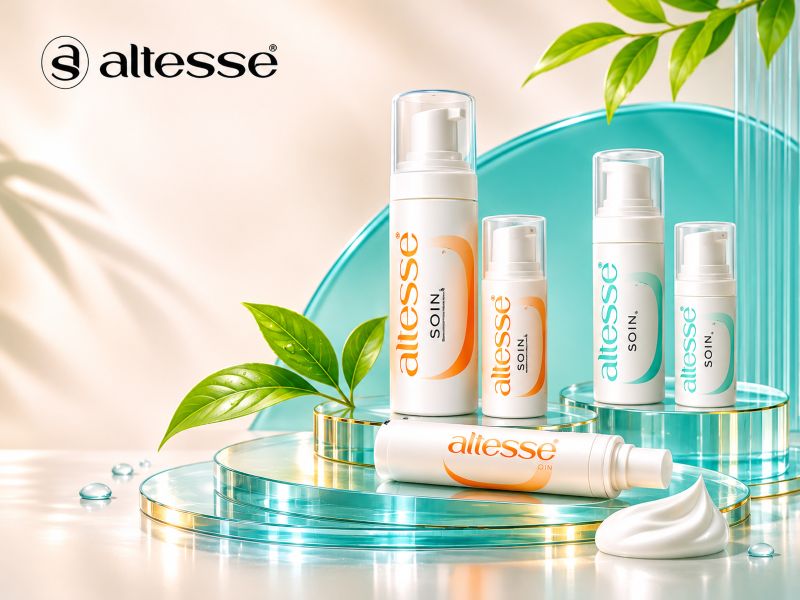
Which Altesse Soin Products Fit This Routine?

Lustré Vitamin C & Niacinamide Brightening Serum (30 ml). This serum combines vitamin C with niacinamide and is designed for a brightening routine. It's a practical choice if you want to address dullness and uneven tone in one step. As with any new active, check the full ingredient list on the product page, patch test first, and start gradually. View the Lustré Vitamin C & Niacinamide Brightening Serum.
Supporting steps from the Altesse Soin range:
-
Reservoir Moisturizing Gel Cream to follow your serum and keep skin hydrated.
-
Sunissime SPF50+ sunscreen for daily morning protection, which matters whenever you use vitamin C for dark spots.
-
Cica Mild Foaming Cleanser for a gentle cleanse before applying actives.
Use products as directed on their labels, and talk to a dermatologist if your skin reacts.
Common Mistakes When Using Vitamin C Serum
|
Mistake |
What to do instead |
|
Choosing a very high concentration |
Pick a strength your skin tolerates |
|
Applying on irritated skin |
Wait until the skin calms down |
|
Overusing the product |
Follow the label; more isn't better |
|
Mixing many actives at once |
Introduce one at a time and space strong actives |
|
Skipping moisturizer and sunscreen |
Always finish with both |
|
Poor storage |
Close the cap tightly and store as directed away from heat and light |
|
Using a serum that has changed |
If the color or smell changes noticeably, stop using it |
|
Ignoring warning signs |
Stop for swelling, itching or lasting redness |
Golden Tips for Using Vitamin C Safely
-
Start gradually and watch your skin's response.
-
Choose a concentration suited to your skin.
-
Hydrate with a suitable moisturizer.
-
Never skip sunscreen.
-
Avoid random layering with exfoliants and retinoids.
-
Store the serum correctly and replace it if it looks or smells different.
-
Stop at the first signs of swelling or persistent irritation.
Common Myths About Vitamin C and Facial Puffiness
|
Myth |
Fact |
|
Vitamin C serum puffs up the face |
It doesn't add volume. Swelling points to irritation or allergy. |
|
A higher concentration always works better |
Higher strengths can irritate more without guaranteeing better results. |
|
It should sting to work |
Stinging isn't a sign of effectiveness. Severe or lasting burning means stop. |
|
It erases wrinkles |
It may help the look of fine lines, but it doesn't remove wrinkles. |
|
You can skip sunscreen |
Vitamin C is used alongside sunscreen, not in place of it. |
|
It suits every skin the same way |
Response depends on the formula and your skin's sensitivity. |
Quick Facts
-
It is an antioxidant that helps protect skin from environmental stress.
-
It supports radiance and tone with regular use over weeks.
-
It doesn't directly cause facial puffiness. A fuller look usually comes from hydrating ingredients.
-
Swelling is a warning sign, not a result.
-
Forms and strengths vary, and gentler derivatives exist.
-
It doesn't replace sunscreen.
-
Results differ from person to person.
When to See a Doctor
Seek emergency care immediately if you have swelling of the lips, tongue or throat, difficulty breathing or swallowing, severe dizziness, or rapid facial swelling with signs of a serious allergic reaction.
If you notice swelling, redness or itching that persists, stop the serum, rinse your skin gently, and see a dermatologist if symptoms continue or worsen. Keep the packaging to show the ingredient list.
Summary
Vitamin C serum doesn't make your face puffy. At best it makes skin look brighter, smoother and, with hydrating ingredients, temporarily fuller. Swelling means something is wrong, so stop the product and get advice. Choose a formula your skin tolerates, patch test, apply moisturizer and sunscreen, and be patient: visible changes build over weeks.
For questions about Altesse Soin products, contact us:
-
WhatsApp: https://wa.me/201001143374
-
Email: info@altessesoin.com
-
Phone: +2 010 0114 3374
Frequently Asked Questions
1. Does vitamin C serum make your face puffy?
No. Topical vitamin C is not known to make the face puffy or increase its volume. Swelling after use can signal irritation or an allergic reaction.
2. Can vitamin C serum make your face look fuller?
It can look smoother and slightly fuller when the formula contains hydrating ingredients like hyaluronic acid. The effect is temporary and doesn't change the volume of facial tissue.
3. Why is my face swollen after using vitamin C serum?
It may be irritation or an allergy to an ingredient. Stop the product, rinse gently, and seek advice. Unrelated factors like salt, sleep, alcohol or allergies can also cause puffiness.
4. What should I do if my face swells after using a serum?
Stop using it, wash your face gently, and don't reuse it until you know the cause. If your lips, tongue or throat swell, or breathing or swallowing is difficult, get emergency help immediately.
5. Can I use vitamin C serum every day?
Many formulas can be used daily if your skin tolerates them and the label allows it. Sensitive skin may need a gradual start or a gentler formula.
6. Is vitamin C serum safe for sensitive skin?
Some people with sensitive skin tolerate it, depending on the form, strength and pH of the formula. Patch test first and ask a dermatologist if your skin reacts often.
7. Does vitamin C serum lighten skin?
It may help reduce the look of dark spots and even out tone gradually, but it doesn't change your natural skin color or guarantee removal of every spot.
8. Can I use vitamin C with hyaluronic acid?
Yes, they are commonly used together. Vitamin C supports tone and defense against oxidative stress, while hyaluronic acid supports hydration.
9. Can I use vitamin C with niacinamide?
Many people do, particularly when the formula is designed for it and well tolerated. Start gradually and watch for irritation.
10. Can I use vitamin C serum around my eyes?
Only if the product says it is suitable. The skin there is delicate and may react more easily.
11. Should vitamin C serum sting?
Mild tingling can occur for some people, but stinging is not a sign that it works. Persistent or intense burning means you should stop.
12. When should I apply vitamin C, morning or night?
Follow your product's directions. Many people use it in the morning with sunscreen, but the best time depends on the formula and your skin.
13. How do I know if my vitamin C serum has gone bad?
A noticeable change in color or smell can mean the product has degraded. Store it tightly closed, away from heat and light, and stop using it if it looks or smells different.
14. Can vitamin C serum cause breakouts or redness?
Some people experience irritation, redness or breakouts, usually linked to the formula or too-frequent use. Reduce frequency or stop, and ask a dermatologist if it continues.
15. When should I see a doctor?
See a doctor if swelling, redness or itching persists after stopping the product, or if symptoms are severe. Go to emergency care for lip, tongue or throat swelling or breathing difficulty.
Medical References
-
American Academy of Dermatology (AAD): guidance on vitamin C in skin care and allergic contact dermatitis.
-
Linus Pauling Institute (Oregon State University): vitamin C and skin health.
-
NHS: advice on allergic reactions and when to seek emergency care.