Does your face turn shiny by midday, with blackheads and breakouts that keep coming back no matter how often you wash? The problem is often not how many times you cleanse but which cleanser you use. A harsh formula strips the skin and pushes it to produce even more oil, while a cleanser that is too mild may not clear the pores properly. This guide explains how to choose the best cleanser for oily, acne-prone skin, which ingredients are worth looking for, and how to build a simple routine around it.
The best cleanser for oily, acne-prone skin removes excess oil, sweat and makeup gently, rinses off completely and leaves no tight, squeaky or red feeling behind. Look for a non-comedogenic formula. If blackheads and clogged pores are your main concern, a cleanser with a mild exfoliating acid such as salicylic acid or AHA/BHA can help. If your skin is sensitive or irritated, choose a softer, soothing formula and skip strong exfoliants.
How can you tell your skin is oily and acne-prone?
Before choosing a cleanser, it helps to know what you are dealing with. Oily skin looks shiny on the forehead, nose and chin within a few hours of washing, shows visible pores and tends to develop blackheads and whiteheads. Breakouts happen when excess oil mixes with dead skin cells inside the pores, blocks them and sometimes causes inflammation.
These signs suggest your current cleanser is not the right one:
- Your skin feels tight or dry right after washing, then turns oily again quickly.
- You notice redness or a mild burning sensation when you rinse.
- Some areas flake while others stay oily.
- Breakouts get worse after you start a new product.
A tight feeling is not proof of cleanliness. It usually means the cleanser removed more of the skin's natural oils than it should have.
7 criteria for choosing the best cleanser for oily, acne-prone skin
1. Effective cleansing without stripping
A good cleanser lifts away oil, dirt, sweat, sunscreen and makeup without leaving your skin tight. Choose a soft, creamy lather rather than a thick, squeaky one. The amount of foam says nothing about how well a product cleans.
2. Ingredients that help clear pores
Salicylic acid (a BHA) is oil-soluble, so it can work inside the pore, while AHAs loosen the layer of dead cells on the surface. In a cleanser that you use every day these acids are usually present at low strengths, which suits beginners.
3. Ingredients that support the skin barrier
Niacinamide, glycerin and ceramides reduce the dry feeling after washing and help maintain the skin's natural barrier. Having them alongside the cleansing ingredients makes a daily cleanser easier to tolerate.
4. No unnecessary irritants
Avoid strongly fragranced cleansers, high levels of alcohol and scrubs with rough particles. They can aggravate acne-prone skin. If your skin is sensitive, look for a fragrance-free or very lightly scented formula.
5. A match for your real skin type
Not all oily skin is the same. Oily and sensitive skin needs a soothing cleanser, while oily, resilient skin can usually handle one with exfoliating acids. Patch test a new product first and watch how your skin reacts over a week.
6. Easy to rinse, no residue
A good cleanser rinses off completely. Leftover product can irritate the skin and clog pores.
7. A place in a complete routine
Even the best cleanser is only step one. Oily skin still needs a light moisturizer and sunscreen afterwards, and inflamed or deep breakouts need medical care. A cleanser cannot replace treatment when you need it.
Which types of cleanser work for oily, acne-prone skin?
Salicylic acid cleanser
It helps unclog pores and reduces the buildup of dead cells, so it suits skin prone to blackheads and whiteheads. Start slowly, especially if your skin is dry or sensitive. If you want more detail on the ingredient itself, read our guide to what salicylic acid does for your face.
Gentle foaming cleanser
Good for daily use morning and night. It removes oil and impurities without over-drying, and it is a sensible first choice if you are not sure how well your skin tolerates acids.
Niacinamide cleanser
Combines cleansing with barrier support. Niacinamide may also help improve the look of pores and uneven tone with regular use, which is useful if you are left with dark marks after breakouts.
Ceramide cleanser
A good fit for oily skin that also feels dry or irritated, particularly if you are using stronger acne treatments, because ceramides reduce moisture loss and that tight feeling.
Charcoal cleanser
Activated charcoal appears in some cleansers for oily skin, but the evidence that it works better than other options for acne is limited. Judge the whole formula, not just the charcoal.
The best Altesse Soin cleansers for oily and acne-prone skin
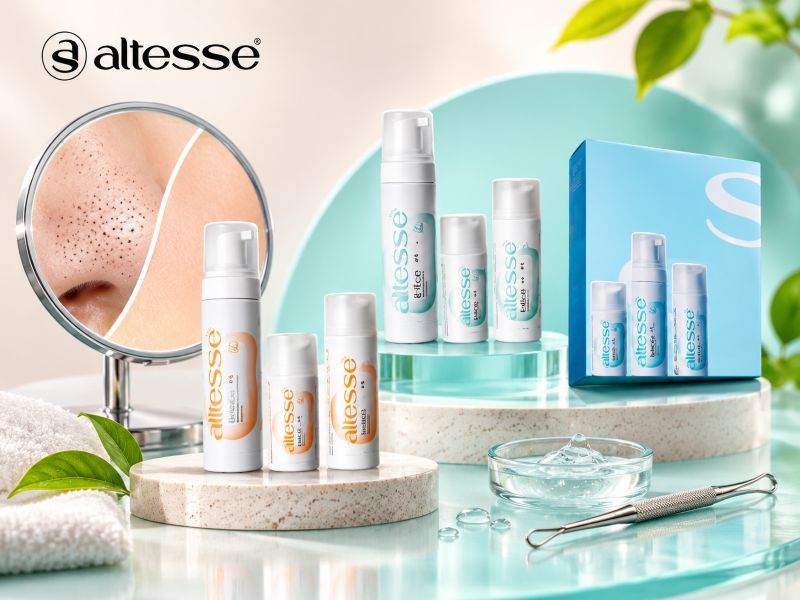
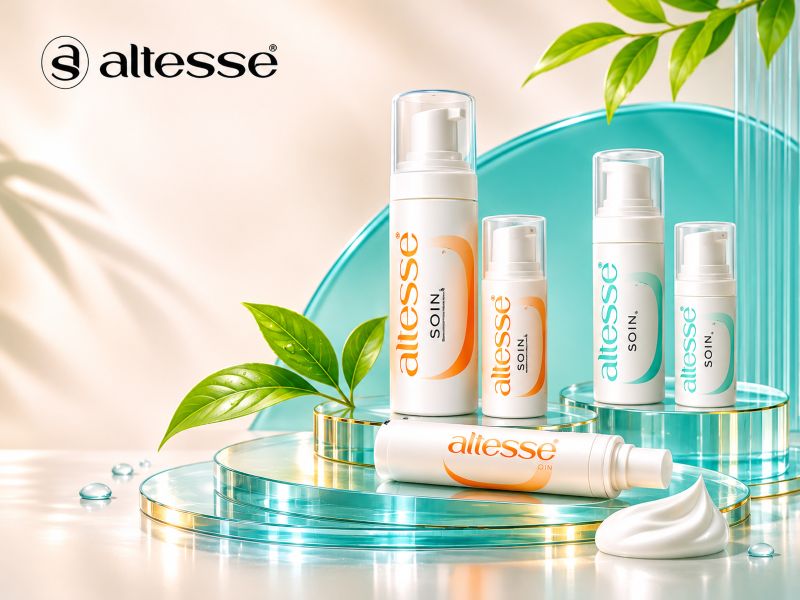
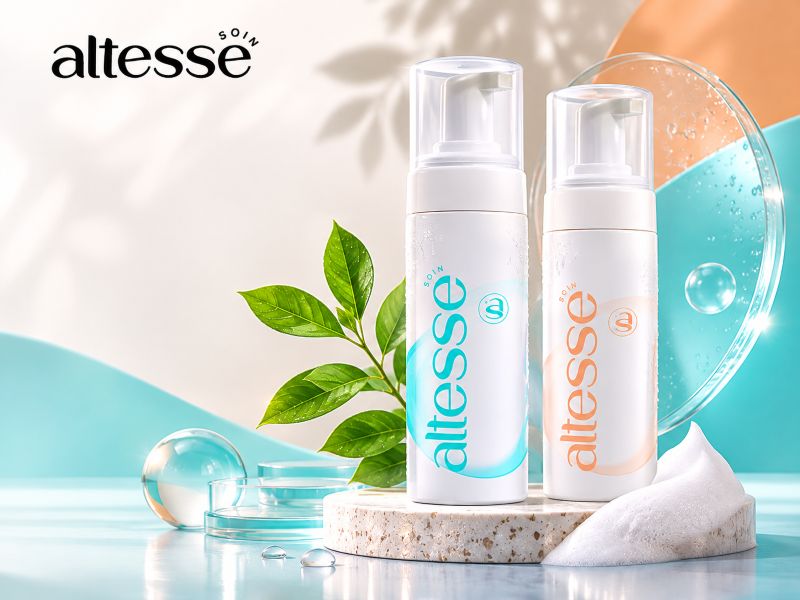
Altesse Soin offers cleansers for different needs within oily and combination skin. Each comes in a 30 ml size, ideal for trying it first, and a 180 ml size for everyday use.
1. Lustré Vitamin C Niacinamide Mild Foaming Cleanser: the first pick for oily, acne-prone skin
If your skin is oily with blackheads, visible pores and dark marks left by past breakouts, this is the cleanser that fits best. It combines active vitamin C, niacinamide and AHA/BHA in a gentle foam that lifts away impurities and excess oil, helps brighten and even out skin tone and minimizes the look of pores. Skin feels fresh, smooth and glowing after each wash.
How to use it: because the formula contains mild exfoliating acids, use it once a day in the evening for the first few days, then move to twice a day if your skin tolerates it. Always follow with a moisturizer and sunscreen in the morning.
Shop now: try the Lustré Vitamin C Niacinamide Mild Foaming Cleanser (30 ml), or pick the Lustré Vitamin C Niacinamide Mild Foaming Cleanser (180 ml) for everyday use.
2. Cica Mild Foaming Cleanser: for oily skin that is also sensitive
Some skin is both oily and sensitive: it shines quickly but turns red with the first strong product. The Altesse Cica Mild Foaming Cleanser is made with soothing Cica extract. It cleans deeply without drying, combining purification and light hydration in one step, and leaves skin clean, calm and refreshed. It is also a good choice on days when your skin feels irritated by an acne treatment or exfoliant.
How to use it: use it morning and night, or as your morning cleanser alongside the Lustré cleanser in the evening if you like to keep things simple.
Shop now: try the Altesse Cica Mild Foaming Cleanser (30 ml), or pick the Altesse Cica Mild Foaming Cleanser (180 ml) for everyday use.
3. Sunissime Hydrating Daily Sunscreen SPF50+: the step that completes the routine
After cleansing with any product containing acids or exfoliating ingredients, your skin needs daily sun protection. Sunissime Hydrating Daily Sunscreen is a fast-absorbing, hydrating formula that leaves no white cast and offers SPF50+, so it sits well at the end of a morning routine after your cleanser and moisturizer.
Discover the Sunissime Hydrating Daily Sunscreen SPF50+ and order it today from the Altesse Soin store.
4. Lustré Brightening Gel Cream: light moisture that follows the cleanser
The lightweight, fast-absorbing gel-cream texture makes a good moisturizing step after the Lustré cleanser if you want to continue with the same brightening ingredients, vitamin C and niacinamide, without any heavy feeling.
Discover the Lustré Vit C Niacinamide Brightening Gel Cream (50 ml) and order it today from the Altesse Soin store.
Good to know: a cleanser does not treat inflamed or deep acne on its own. It is one part of daily care. If you are pregnant, breastfeeding or using a prescribed acne treatment, check with your doctor before adding products that contain acids.
How to wash your face the right way
Washing technique matters as much as the product, even with the best cleanser.
- Wash your hands first to remove dirt before touching your face.
- Wet your face with lukewarm water. Hot water dries out the skin.
- Use about a lentil-sized amount and spread it with your fingertips.
- Massage in gentle circles for 30 to 60 seconds, paying attention to the nose, forehead and chin.
- Rinse thoroughly with lukewarm water so no residue is left.
- Pat dry with a clean, soft towel instead of rubbing.
- Moisturize straight away, while the skin is still slightly damp.
Cleanse twice a day, morning and evening, plus once more after heavy sweating if needed. Over-washing and harsh scrubs irritate acne-prone skin and do not reduce oil.
A complete routine for oily, acne-prone skin
Morning routine
- Cleanse: a gentle cleanser, or the Cica cleanser if your skin is sensitive in the morning.
- Moisturize: a light, non-comedogenic moisturizer.
- Protect: broad-spectrum sunscreen SPF30 or higher, reapplied after long sun exposure.
Evening routine
- Remove makeup and sunscreen gently if you wear them.
- Cleanse: the Lustré cleanser or another cleanser that suits your skin.
- Treat if needed: use what your doctor prescribed or follow the product's instructions, and introduce one new treatment at a time.
- Moisturize to help protect the skin barrier.
Extra tips for better results
- Clean makeup brushes and anything else that touches your face regularly.
- Do not pick or squeeze spots; it adds inflammation and raises the risk of scarring.
- Keep oily hair off your forehead if you notice it triggers breakouts.
- Do not change your whole routine at once, so you can tell what causes any irritation.
- Stick to a simple, consistent routine instead of trying something new every week.
How to choose a cleanser by skin type
| Skin type | What to look for |
|---|---|
| Oily | A gentle formula that reduces excess oil; mild salicylic acid or AHA/BHA can help clear pores |
| Combination | A balanced cleanser that handles the oily T-zone without drying the cheeks |
| Dry | A hydrating cleanser with glycerin or ceramides |
| Sensitive | A fragrance-free, soothing formula, such as Cica-based cleansers |
| Acne-prone | A non-comedogenic cleanser, with attention to how your skin tolerates active ingredients |
When will you see results from a cleanser?
You may notice cleaner, less shiny skin from the first few uses, but improvement in breakouts takes longer. The timeline below is approximate and is not a promise, because every skin responds differently.
| Time | What you may notice |
|---|---|
| After the first use | A clean, fresh feel and less surface oil and sweat |
| First week | Your skin adjusts; mild dryness is possible if the formula is strong for you |
| 6 to 8 weeks | Blackheads and mild breakouts may look better with a consistent routine |
| 3 to 4 months | A clearer picture of how your skin responds, and time to adjust the routine |
If you see no improvement after 6 to 8 weeks of steady use, or your breakouts are deep and painful, see a dermatologist. A new spot does not mean the cleanser has failed; breakouts follow their own cycle.
Benefits of choosing the right cleanser for oily skin
- Cleaner surface: removes the sweat, dirt and makeup that build up during the day.
- Less shine: takes away excess oil so skin looks fresher.
- Support for clearer pores: formulas with mild exfoliating acids may help reduce clogged pores.
- A protected barrier: ingredients like glycerin and ceramides reduce dryness after washing.
- A better base for treatment: clean skin is ready for the rest of your routine.
- Less irritation: redness is less likely when the cleanser is gentle and well suited.
- An easier routine to keep: you stick with a routine that leaves skin comfortable, not tight.
Common mistakes with cleansers for oily skin
- Washing too often. More than twice a day, unless you have sweated heavily, can irritate skin and increase oil production.
- Using hot water. It strips the skin; lukewarm is enough.
- Scrubbing hard. Rough scrubs and brushes inflame breakouts.
- Skipping moisturizer. Dehydrated oily skin can look even oilier.
- Changing products constantly. Skin needs weeks to show a pattern.
- Layering several actives at once. A cleanser with acids plus a strong treatment can overwhelm the barrier.
Myths and facts about cleansers for oily skin
- Myth: "If my skin squeaks, it is clean." Fact: that feeling means the cleanser stripped oils your skin needs.
- Myth: "Oily skin does not need moisturizer." Fact: it needs a lightweight one to keep its barrier healthy.
- Myth: "A stronger cleanser clears acne faster." Fact: harsh products irritate skin and can make breakouts worse.
- Myth: "Charcoal cleansers are the best for acne." Fact: performance depends on the full formula, and the evidence for charcoal is limited.
- Myth: "A cleanser alone can cure acne." Fact: a cleanser supports daily care but does not treat moderate or severe acne.
When to see a dermatologist
A cleanser supports everyday care but cannot replace medical assessment. See a dermatologist if you notice:
- Deep, painful bumps under the skin.
- Scarring or lasting dark marks from breakouts.
- Acne that spreads or worsens despite a suitable routine.
- No improvement after 6 to 8 weeks of consistent care.
- Persistent redness, peeling or itching caused by skincare products.
- Acne that is affecting your mood or confidence.
Seek urgent medical help if you have sudden swelling of the face or tongue, or difficulty breathing, after using any product.
FAQ: best cleanser for oily, acne-prone skin
What is the best cleanser for oily, acne-prone skin?
The best one removes excess oil gently without causing dryness or clogged pores. If blackheads are your main issue, a formula with mild exfoliating acids, such as the Lustré cleanser, may suit you. If your skin is sensitive, a gentle cleanser such as the Cica cleanser is usually a better fit.
Can I use a cleanser for oily skin every day?
Yes, usually twice a day, morning and evening. If you notice dryness or irritation, cut back to once a day in the evening.
Is salicylic acid good for acne?
It helps remove dead cells and unclog pores, so it may help with blackheads, whiteheads and some mild breakouts. It does not suit everyone and can irritate sensitive skin.
Can combination skin use the same cleanser as oily skin?
Yes, if the formula is balanced. Combination skin needs a cleanser that clears the forehead and nose without drying out the cheeks.
Is a cleanser enough to treat acne?
No. It is part of daily care. Inflamed or deep acne often needs topical or medical treatment decided by your doctor.
Is a charcoal cleanser better?
Not necessarily. How well a cleanser works depends on its whole formula and how well your skin tolerates it.
Should oily skin be moisturized after washing?
Yes. A light moisturizer reduces water loss and supports the barrier, and it prevents the tight feeling that can push skin to make more oil.
How long does it take for an acne cleanser to work?
Cleaner, less oily skin can show up in the first few uses. Visible improvement in breakouts usually takes 6 to 8 weeks, sometimes several months.
Can sensitive skin use an acne cleanser?
Sometimes, if the formula is gentle and you introduce any exfoliating ingredient gradually. If your skin reddens easily, start with a soothing cleanser such as Cica and ask your dermatologist before adding acids.
Can I use a cleanser twice a day while on acne treatment?
Usually yes, but it depends on the cleanser, the treatment and how your skin tolerates both. If the treatment dries your skin, you may need to adjust your routine with your doctor.
Contact Altesse Soin
If you need help choosing the right product for your skin, the Altesse Soin team is happy to answer your questions:
- WhatsApp: +20 100 114 3374
- Email: info@altessesoin.com
- Phone: +20 100 114 3374