Does your face shine a few hours after washing, so you skip moisturizer to avoid more oil? Skipping it can actually make shine and breakouts worse. The answer lies in a lightweight moisturizer for oily skin, and this guide shows you how to choose and use one.
Quick answer: Yes, oily skin needs a moisturizer every day, because dehydrated skin can respond by producing even more oil. The best choice is a light gel cream or water-based formula with hyaluronic acid, ceramides and niacinamide that absorbs fast and leaves no heavy, greasy film.

Moisturizer for Oily Skin: What It Is and Why You Need One
It is a light, water-based or gel-textured cream that hydrates your face without clogging pores or adding shine. Unlike the rich creams made for dry skin, it relies on water-attracting ingredients that draw moisture into the skin and hold it there, rather than on heavy oils.
It may sound odd that skin producing plenty of oil needs hydration, but oil and water are two different things. Oil is what your sebaceous glands release. Hydration is the amount of water inside the layers of your skin. You can have oily skin that is still short on water, which is why your face can look shiny and feel tight at the same time.
When water levels drop, the skin barrier weakens, and your skin may try to compensate by producing more oil. That is why choosing the right moisturizer is the first step in the best routine for oily skin, and why we walk through it step by step below.
If you are not sure of your skin type, start with our guide on how to know your skin type easily to confirm that shine does not point to combination or sensitive skin instead.
Why Does Oily Skin Produce So Much Oil?
The main driver is sebaceous gland activity, which is shaped by hormones, genetics, weather and your daily skincare habits. Understanding the causes helps you choose well instead of trying products at random.
- Hormones: Oil glands become more active during puberty, before periods and during stress, which raises shine and breakouts.
- Genetics: If your mother or sisters have oily skin, you are more likely to have it too.
- Weather: Heat and humidity increase oil output, which is why many people notice more shine in summer.
- Overcleansing: Harsh or frequent washing strips water from the skin, and the skin may answer with extra oil.
- Skipping moisturizer: Many people think dropping it reduces shine, but it can make the problem worse.
When oil mixes with dead skin cells, pores can clog and blackheads and pimples appear. This is where gentle cleansing and proper hydration work together: the cleanser removes excess oil, and the moisturizer restores balance so your skin does not overreact. If enlarged pores bother you most, how to treat large pores on your face explains the link between oil and pores in detail.
In short, oily skin needs special care based on balance, not on drying it out.
What Are the Benefits of Moisturizing Oily Skin?
A good moisturizer prevents hidden dehydration, supports your skin barrier and helps reduce shine over time. With consistent use, here is what you can expect:
- Balances hydration and oil: When skin gets enough water, it has less reason to overproduce oil, which helps with oil control gradually.
- Protects the skin barrier: Ceramides resemble the natural fats in skin and help restore the protective layer after washing or exfoliating.
- Softens the irritation from active products: If you use salicylic acid cleansers or active serums, a moisturizer replaces the moisture they remove.
- Improves texture: Hydrated skin feels smoother and more even, and pores can look less noticeable.
- Prepares skin for makeup: A light layer of hydration helps foundation sit evenly instead of clinging to dry patches.
- Supports acne-prone skin: Dryness and over-exfoliation can increase irritation, and good hydration helps skin tolerate acne care better.
Research on ceramides in skincare notes that they play an important role in barrier function, which is why formulas combining hyaluronic acid and ceramides are popular for everyday hydration.
Who Is a Lightweight Moisturizer For?
It suits anyone with signs of oily skin, even if the skin is sometimes dry or sensitive too. It is a good fit if any of these sound like you:
- ✓ Fully oily skin: Shine appears across the forehead, cheeks and nose within hours of washing.
- ✓ Acne-prone skin: You deal with breakouts and blackheads and want hydration that will not add to congestion.
- ✓ Combination skin: An oily T-zone with normal or dry cheeks. See our best routine for combination skin.
- ✓ Oily but dehydrated skin: It shines, yet feels tight after cleansing.
- ✓ Skin using acids or retinol: It needs a moisturizer that soothes and reduces flaking.
- ✓ Hot, humid climates: Heat raises oil production and makes heavy creams uncomfortable.
If your skin is truly dry, a richer formula will serve you better. See the best moisturizer for dry skin.
How Do You Choose the Best Moisturizer for Oily Skin?
Choose a lightweight, fast-absorbing formula built on water-attracting ingredients rather than heavy oils. These criteria make the choice easier:
1. A light texture
Gels, gel creams and water-based emulsions suit oily skin best. Avoid thick creams that leave a greasy feel after the first minute, because they are made for dry skin.
2. Ingredients that attract water and support the barrier
Look for hyaluronic acid and glycerin to draw in water, and ceramides to support the protective layer. Peptides add support for smoothness and elasticity.
3. Niacinamide for shine control
A published study on 2% niacinamide examined its effect on facial sebum production, which is one reason it is a favorite ingredient for oily skin formulas. It also pairs well with hyaluronic acid, as we explain in how to use niacinamide with hyaluronic acid.
4. No unnecessary irritants
Drying alcohol and strong fragrance can irritate sensitive skin. Read the ingredient list and patch test on a small area before using a new product on your whole face.
5. Fits your whole routine
The best moisturizer works with your cleanser, serum and sunscreen without pilling or clashing when layered.
Expert tip: Do not judge a moisturizer after one minute. Give it two weeks in a steady routine, because your skin needs time to respond.
Gel Cream or Rich Cream: Which Is Right for Your Skin?
A gel cream is usually the better match for oily skin, while rich creams suit very dry skin or cold nights. This comparison helps you decide:
| Comparison | Lightweight gel cream | Rich cream |
|---|---|---|
| Texture | Watery, smooth, fast absorbing | Thick, takes longer to sink in |
| Feel after applying | Fresh and non-greasy | Warm, may leave a film |
| Best skin type | Oily, combination, acne-prone | Very dry or mature |
| Under makeup | Usually comfortable, rarely pills | May cause makeup to slide |
| Best season | Summer and humid weather | Winter and dry weather |
If your skin changes with the seasons, you can use a gel cream in the daytime all year and add a slightly richer layer at night in winter only when needed.
Do not rely on the product name alone. Some creams are described as light but contain heavy oils and waxes. Test the texture on the back of your hand first: if it absorbs within a minute and leaves a smooth, non-sticky feel, it is probably right for oily skin. If it still looks shiny after ten minutes, it is likely heavier than you need.
How Do You Use Moisturizer the Right Way?
Apply a pea-to-bean-sized amount to clean, slightly damp skin and massage it in gently until absorbed. Here is the right way, step by step:
- Cleanse with a gentle face wash: A non-stripping foaming cleanser works best. See our guide to the best cleanser for oily, acne-prone skin.
- Pat dry softly: Leave a trace of moisture on the skin instead of drying it completely, which helps hydration absorb.
- Apply your serum first if you use one: The rule is to go from the lightest texture to the heaviest.
- Take the right amount: A bean-sized amount covers face and neck. More does not mean better hydration.
- Dot it across your face: Forehead, cheeks, nose and chin, then massage upward.
- Wait a minute before the next step: This lets skin absorb the cream before sunscreen in the morning.
- Repeat at night: Skip the sunscreen, and use a little less if your skin feels oily.
Expert tip: If your face turns shiny quickly in summer, use less and focus on the cheeks and chin more than the forehead.
Warning: Avoid rubbing hard or applying cream on completely wet skin, which can cause pilling and poor absorption.
For the full layering order, read the order of applying face creams, and for the difference between the two steps see serum vs moisturizer.
Try the Reservoir Peptides and Ceramides Hydrating Gel Cream as a light hydration step after cleansing and serum.

Which Ingredients Pair Well, and Which Need Caution?
A moisturizer works with most actives, but some acids and retinol need gradual use and sun protection. Use this as a quick guide:
Safe and effective with:
- Niacinamide: Supports oil balance and suits most skin types.
- Hyaluronic acid: Boosts hydration and gives a plumper feel.
- Vitamin C: Supports glow and even tone, best used in the morning before moisturizer and sunscreen. See how to use vitamin C serum on your face.
- Ceramides and peptides: Support the barrier and soften the effect of dryness.
Use with caution:
- Salicylic acid: Helpful for pores, but it can dry the skin if overused, so start every other night. Read how to use salicylic acid on your face safely.
- Retinol: Needs a slow start, it is better to talk to a dermatologist first, and it is not suitable during pregnancy.
Avoid pairing with:
- Very rich creams in the daytime: They weigh down oily skin and increase the greasy feel.
- Frequent exfoliation: It weakens the barrier and may push skin to produce more oil.
To compare the two best-known hydrating and balancing ingredients, see niacinamide vs hyaluronic acid.
When Will You See Results From a Moisturizer on Oily Skin?
You feel comfort and softness from the first use, while less shine and better balance take a few weeks. Here is a realistic timeline:
Week one:
- ✓ An immediate fresh, soft feel after applying.
- ✓ Less tightness after cleansing.
Two weeks to one month:
- ✓ Skin tolerates cleansers and active products better.
- ✓ Less shine through the day when you stay consistent.
One to three months:
- ✓ A more even texture and clearer-looking skin.
- ✓ A stronger barrier and less irritation over time.
Important: Consistency matters more than switching products every week. Constant changes do not give your skin a chance to respond, and may be why breakouts keep returning.
Is Your Morning Moisturizer Different From Your Night One?
Slightly: mornings need a light texture that sits under sunscreen and makeup, while nights focus on repair and calm.
In the morning you want a soothing daytime cream that is very light, absorbs quickly and does not pill under sunscreen. Its job is to protect skin from dryness and pollution through the day and prepare it for makeup without early shine. Choose a watery gel cream, and use less on hot days.
At night your skin focuses on repair and renewal, so you can use a layer that feels a little more comforting, especially if you used an active serum or an acid. If your skin is irritated or tight, a barrier-soothing gel cream gives gentle repair without heaviness.
If your skin tolerates things well, you can use the same moisturizer morning and night to keep your routine simple, and only change it when your needs change, such as dryness in winter or extra sweating in summer. Most importantly, keep the steps consistent, since skin prefers a steady routine over constant novelty.
Expert tip: Add a second thin layer only on dry areas like the cheeks instead of increasing the amount on your whole face.
What Are the Most Common Mistakes When Moisturizing Oily Skin?
The biggest mistake is skipping moisturizer out of fear of oil, followed by using a heavy cream or overwashing. Here are the mistakes and how to fix them:
- Mistake 1: Skipping moisturizer completely. Fix: Use a light gel cream twice a day, since dehydration can increase oil.
- Mistake 2: Choosing a rich or heavy cream for daytime. Fix: Pick a watery texture that absorbs quickly.
- Mistake 3: Washing too often with a harsh cleanser. Fix: Twice a day with a gentle cleanser is enough.
- Mistake 4: Using too much product. Fix: A bean-sized amount covers face and neck.
- Mistake 5: Forgetting sunscreen. Fix: Apply it over moisturizer every morning. Read the best sunscreen for oily, acne-prone skin.
- Mistake 6: Changing products constantly. Fix: Give each new product at least two weeks.
- Mistake 7: Ignoring signs of a damaged barrier. Fix: If you notice stinging or redness, read signs of a damaged skin barrier and cut back on active products.
The Best Moisturizers for Oily Skin From Altesse Soin
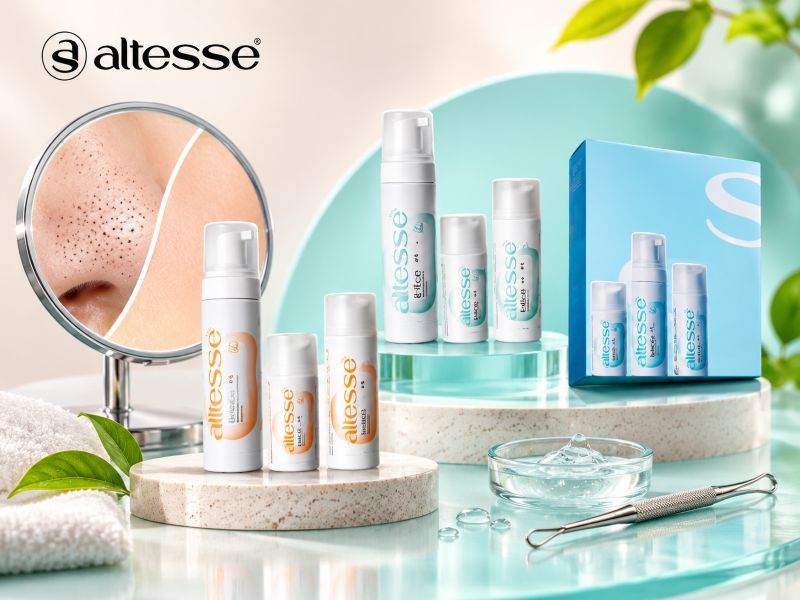
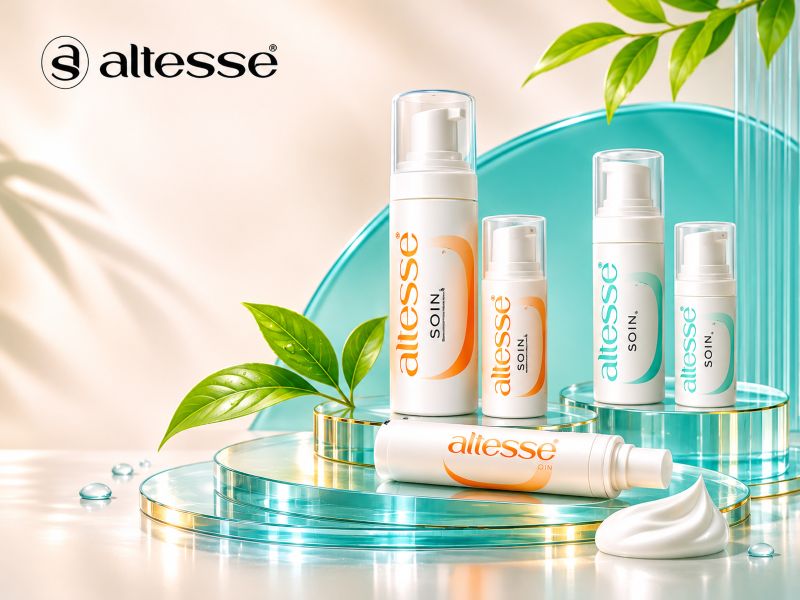
From the Altesse Soin range, we picked four options that meet different needs within oily and combination skin. All are gel creams or hydrating sunscreen, so you can build a complete routine.
1. Reservoir Gel Cream: The first choice for light daily hydration
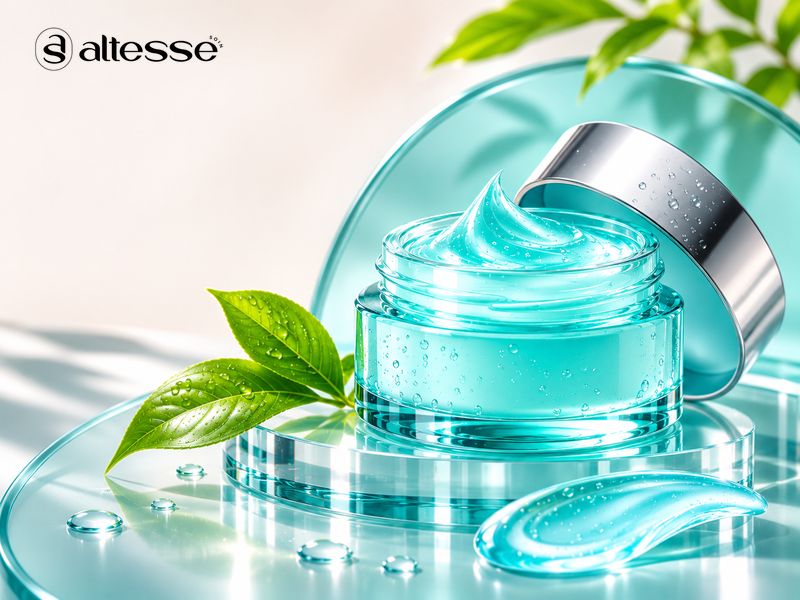
If your skin is oily but loses hydration after washing, this gel cream is the closest match. The Reservoir Peptides and Ceramides Hydrating Gel Cream combines ceramides and peptides in a texture that mixes the lightness of a gel with the softness of a cream, and its description says it delivers hydration lasting up to 48 hours without a heavy feel.
Usage tip: Apply it morning and night after cleanser and serum, using a smaller amount in summer.
Order the Reservoir Peptides and Ceramides Hydrating Gel Cream (50 ml) and let your skin learn hydration without shine.
2. Lustré Gel Cream with Vitamin C and Niacinamide: Hydration with glow
If you deal with post-acne marks and uneven tone, this is a smart choice. The Lustré gel cream pairs vitamin C with niacinamide in a gel-cream texture, so it hydrates while supporting radiance and an even tone. It is a practical option if you are looking for a lightweight skin-brightening cream.
Usage tip: Use it in the morning before sunscreen, and introduce it gradually if your skin is sensitive.
Discover the Lustré Vitamin C and Niacinamide Brightening Gel Cream (50 ml) for brighter, more balanced skin.
3. Cica Repairing Gel Cream: For oily skin that is also sensitive
Some oily skin turns red and irritated easily, especially with acids and strong cleansers. The Cica Repairing Gel Cream is designed for sensitive and irritated skin, offering soothing hydration that helps skin feel comfortable again after exfoliation or heat.
Usage tip: Ideal at night after any active product, or in the morning when your skin feels irritated.
Choose the Altesse Cica Repairing Gel Cream for sensitive and irritated skin (50 ml) for gentle, calming hydration.
4. Sunissime Hydrating Sunscreen SPF50+: The step that completes daytime hydration
Morning hydration is incomplete without sun protection, the most important step for preventing pigmentation and keeping skin looking healthy. The Sunissime hydrating sunscreen gives daily SPF50+ protection with moisture that suits everyday wear, combining two steps in one.
Usage tip: Make it the last step of your morning routine, and reapply during long sun exposure.
Pick the Sunissime Hydrating Daily Sunscreen SPF50+ (50 ml) and finish your routine with full protection.
Tip: Pair any of these gel creams with the Lustré Mild Foaming Cleanser for better results, since a gentle cleanser prepares your skin to absorb moisturizer more evenly.
What Is the Best Full Routine for Oily Skin, Morning and Night?
Four simple steps in the morning and three at night are enough for balanced skin. Here is the daily routine we suggest:
Morning:
- Gentle cleanser: the Lustré Mild Foaming Cleanser (180 ml) to remove overnight oil softly.
- A suitable serum: such as the Reservoir Peptides and Ceramides Hydrating Serum for an extra layer of hydration.
- Gel cream moisturizer: the Reservoir Gel Cream in a small amount.
- Sunscreen: Sunissime Hydrating SPF50+ as the last step.
Night:
- Gentle cleanser: the same cleanser, or the Cica Mild Foaming Cleanser (180 ml) if your skin is sensitive.
- A serum for your concern: glow, hydration or soothing, depending on what your skin needs.
- Gel cream moisturizer: the Cica Repairing Gel Cream if your skin is irritated, or Reservoir for light hydration.
Quick Facts About Hydrating Oily Skin
- Oil and water are different, so skin can be oily and dehydrated at once.
- Skipping moisturizer does not reduce oil and may increase it over time.
- Gel cream is the best-fitting texture for most oily and combination skin.
- Hyaluronic acid, ceramides and niacinamide are among the most popular supportive ingredients.
- A bean-sized amount is enough for the face and neck.
- Give any new product at least two weeks before judging it.
- Sunscreen is an essential morning step over moisturizer.
Common Myths About Moisturizer for Oily Skin
Myth 1: "My skin is oily, so I do not need moisturizer." Reality: dehydration can push skin to make more oil.
Myth 2: "A rich cream fixes dryness faster." Reality: it can weigh down pores and increase shine for many people, so a light texture is better.
Myth 3: "Moisturizer causes acne." Reality: some heavy formulas can increase congestion, but a suitable lightweight moisturizer supports the barrier and reduces irritation so skin can handle acne care.
Myth 4: "The more I wash, the less oily I get." Reality: overwashing dries the skin and can trigger extra oil.
Myth 5: "Natural products are always better." Reality: what matters is how well the formula suits your skin, and some natural oils are too heavy for oily skin.
When Should You See a Doctor Right Away?
See a dermatologist if you have symptoms beyond ordinary shine or if home care is not helping. It is wise to consult a skin specialist in these cases:
- Painful or deep pimples (cystic acne), or breakouts that leave scars.
- Redness, itching, swelling or a rash after using any product.
- Sudden skin changes, such as heavy shine with irregular periods or excess hair growth.
- Persistent peeling or burning that does not calm with moisturizer and fewer actives.
- Pregnancy or breastfeeding, before using actives such as retinol.
- No improvement after two months of a suitable, consistent routine.
This article is for education and does not replace a doctor's diagnosis or prescription.
Frequently Asked Questions About Moisturizer for Oily Skin
Does oily skin really need a moisturizer?
Yes. Oily skin needs water like any other skin type, and a moisturizer protects the barrier and reduces the dryness that can prompt the glands to produce extra oil.
What is the difference between a gel cream and a rich cream?
A gel cream is watery, light and quick to absorb, with no greasy film. A rich cream is thicker and suits very dry skin or cold weather.
Can moisturizer cause acne?
Some heavy formulas may increase congestion on oily skin, while suitable lightweight moisturizers support the barrier and reduce irritation. If you notice new breakouts after a specific product, stop using it and ask your doctor.
How many times a day should I moisturize?
Usually twice a day, morning and night after cleansing, using a bean-sized amount. In very hot weather, a thin layer in the morning may be enough.
Do I apply moisturizer before or after sunscreen?
Moisturizer first, then sunscreen as the final step of your morning routine, with about a minute between them so the cream can absorb.
Can I use moisturizer with niacinamide?
Yes. They complement each other: niacinamide supports oil balance while the moisturizer holds in water. You can choose a product that contains both, or apply a niacinamide serum before your moisturizer.
Which ingredients should I avoid in a moisturizer for oily skin?
Avoid heavy oils, drying alcohol and strong fragrance, and always read the ingredient list if your skin is sensitive or acne-prone.
Can I use the same moisturizer morning and night?
Yes, you can use the same gel cream at both times. Some people prefer a gentler texture at night if their skin is irritated, such as the Cica gel cream.
Why does my face look shiny after moisturizer?
Usually because of too much product or a heavy texture. Use less, massage it in well, wait a minute before makeup or sunscreen, and try a lighter texture if shine continues.
Can I use moisturizer with salicylic acid or retinol?
Yes, and you should, to reduce dryness and flaking. Introduce acids gradually, and talk to a doctor before using retinol, especially during pregnancy.
Is a brightening cream suitable for oily skin?
Yes, if it has a light texture such as the Lustré gel cream with vitamin C and niacinamide, and you wear sunscreen daily to protect your glow.
When will I see results from my moisturizer?
You feel comfort and softness from the first use, while reduced shine and better balance usually take two weeks to a month of regular use.
Need help choosing the right routine for your skin? The Altesse Soin team is happy to answer your questions.
WhatsApp: https://wa.me/201001143374
Email: info@altessesoin.com
Phone: +2 010 0114 3374
Medical References
- American Academy of Dermatology Association. How to control oily skin. https://www.aad.org/skin-care-basics/oily-skin
- Draelos ZD, et al. The effect of 2% niacinamide on facial sebum production. Journal of Cosmetic and Laser Therapy. https://pubmed.ncbi.nlm.nih.gov/16766489/
- Meckfessel MH, Brandt S. The structure, function, and importance of ceramides in skin and their use as therapeutic agents in skin-care products. Journal of the American Academy of Dermatology. 2014;71(1):177-184.