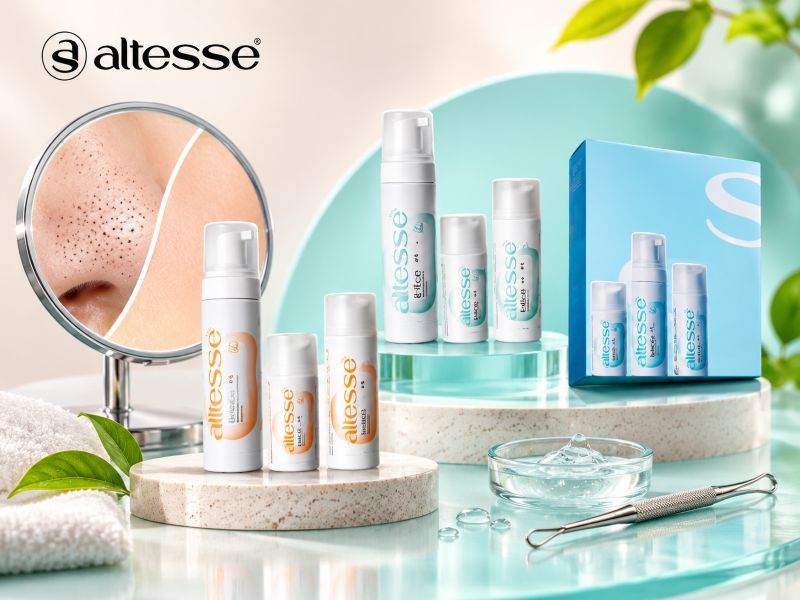
Tried strips and squeezing, yet the dots on your nose keep coming back? The secret is method, not force. Learn how to remove blackheads safely and keep them away.
Direct answer: Blackheads are not dirt. They are plugs of oil and dead skin cells that darken when exposed to air. The best way to clear them is salicylic acid or a retinoid used consistently for weeks, along with gentle cleansing, a light moisturizer and sunscreen. Leave deep extraction to a doctor or a licensed professional rather than squeezing by hand.

How to Remove Blackheads: What Are They and Why Do They Appear?
A blackhead is a pore clogged with a mix of oil and dead skin cells, and its dark color comes from that mix oxidizing in the air, not from dirt. Dermatologists call it an open comedone, and it is a mild form of acne.
Blackheads form when the cells lining a pore stick together instead of shedding normally, then pile up with oil into a plug. The risk rises with high oil production, hormonal changes, or heavy makeup and products that clog pores. For some people, susceptibility is also inherited.
That is why scrubbing harder does not help. It never reaches the plug sitting inside the pore, so it mostly irritates the surrounding skin and weakens its barrier, which may even push the skin to make more oil. The smarter fix is gentle chemistry that dissolves the plug and keeps cell turnover even, not rough mechanics.
You may also confuse blackheads with sebaceous filaments, the thin, light grey threads that carry oil to the surface, especially on the nose and chin. These are normal, are not a medical condition, and return within weeks of removal, so they do not call for aggressive treatment. To understand enlarged pores, read how to treat large pores on the face.
What Causes Blackheads?
The main causes are excess oil, a buildup of dead cells, hormonal changes, and products that clog pores. The most common factors:
- Excess oil: oily skin is more prone, especially on the nose, forehead and chin.
- Dead cell buildup: when skin does not renew regularly, cells collect and block pores.
- Hormonal changes: puberty, periods and pregnancy all raise oil production.
- Heavy makeup and products: some can form a plug inside the pore.
- Genetics: a tendency to blackheads can run in families.
- Sun and inflammation: sun exposure can cause inflammation that increases oil.
- Over-exfoliating: it dries skin out and prompts it to make more oil.
- Touching and picking: it transfers oil and bacteria and adds inflammation.
Some studies link high-glycemic diets with acne severity, but the link between food and blackheads is not settled, so do not rely on diet changes alone.
Where they appear varies. The nose is the most common spot because its oil glands are active and its pores are wider, followed by the chin and forehead. They can also appear on the back and chest, where sweat and tight clothing add another cause. Treatment shifts slightly by area, since skin on the back tolerates more than facial skin, but the principle is the same: gentle cleansing, an ingredient that dissolves the plug, and patience.
Having blackheads does not mean your skin is "bad" or that you are careless. They are among the most common skin concerns and affect nearly all ages. The realistic goal is to reduce and control them, not to make them vanish forever.
What Are the Most Effective Ways to Remove Blackheads?
The best-documented options are salicylic acid and retinoids, followed by glycolic acid and azelaic acid, and they take weeks of patience. This comparison summarizes what medical sources recommend:
| Method | How it works | Notes |
|---|---|---|
| Salicylic acid (BHA) | Dissolves oil inside the pore and gently exfoliates | Start at 2% to 4% and lower it if skin dries out |
| Retinoid (such as adapalene) | Stops dead cells from collecting in pores | Takes weeks to months; best at night |
| Glycolic acid (AHA) | Removes the outer layer of dead cells | A 10% cleanser is the strength cited by sources |
| Azelaic acid | Reduces inflammation and clears pores | Milder, better for sensitive skin, less potent |
| Professional extraction | Removes the plug with sterile tools | By a doctor or licensed professional only |
Dermatologists note that salicylic acid works especially well on blackheads and whiteheads because it unclogs pores and exfoliates. A common plan is a salicylic acid cleanser in the morning and a retinoid at night. Learn more in what salicylic acid does for skin.
If your skin is sensitive or dry, azelaic acid may be a gentler start. It is milder than AHAs and BHAs and helps calm inflammation, though it is less potent against blackheads. If you also have inflamed acne, a doctor may add benzoyl peroxide, which kills acne-causing bacteria even though it does not clear blackheads directly the way salicylic acid or retinoids do.
It is best to begin with one active product rather than layering several acids. Using many at once makes it hard to tell what is causing irritation and weakens the skin barrier, which makes the problem worse. Once your skin has settled on one product for about a month, you can judge whether another step is needed.
How Do You Use Salicylic Acid for Blackheads Safely?
Begin with a product between 2% and 4% once a day, then adjust to your skin; if it dries out, lower the strength or the frequency. Here is how:
- Patch test: try it on a small patch of skin first.
- Apply to the whole area: the product treats existing blackheads and prevents new ones, so do not dab it only on visible plugs.
- Start once a day: or every other day if your skin is sensitive.
- Moisturize afterward: with a light, non-clogging moisturizer.
- Sunscreen in the morning: a must.
- Give it time: expect 6 to 12 weeks before clear improvement.
Expert tip: exfoliating a couple of times a week is usually enough, because over-exfoliating dries skin quickly and leads to more oil and more blackheads.
Caution: if you get strong redness, burning or uncomfortable peeling, stop and talk to a doctor.
Use a pea-sized amount for the whole face; more does not speed results and only raises the risk of dryness and flaking. If you use a retinoid at night, begin twice a week and build up. A temporary rise in bumps or flaking in the first weeks is a common adjustment phase, but if it is severe or painful, speak with a doctor. For more, see how to use salicylic acid for skin.
Is Squeezing Blackheads or Using Pore Strips Safe?
No. Squeezing can push the plug deeper and cause inflammation and scars, and strips lift only the surface without stopping them coming back. Medical sources warn that doing extractions yourself can lead to:
- Acne scars: which can be permanent in some cases.
- Inflamed pores: turning a blackhead into an angry pimple.
- Damage to the pore wall: which can lead to more clogs.
- Infection: from bacteria on the hands.
- Dark marks: especially on darker skin.
Adhesive strips and masks give a clean look for a while, handy before an event, but as dermatologists say, they do not fix the root problem and can cause irritation and dryness, especially on sensitive skin. Suction devices and most internet hacks have little evidence behind them. For safe extraction, go to a professional using sterile tools.
Professionals typically use a sterile comedone extractor, often after softening the skin, and apply gentle, balanced pressure that leaves no marks. Even after a professional extraction you still need a preventive routine, because pores will form new plugs if care habits do not change. A professional session complements the daily routine; it does not replace it.

Do Natural Home Remedies Work for Blackheads?
There is no strong evidence that home remedies such as green tea, honey or baking soda clear plugs from the root, and some can irritate skin. Many people look for natural recipes because they are handy, which is understandable, but it is worth knowing their limits.
- Toothpaste: dermatologists say absolutely not; keep it for your teeth.
- Baking soda and lemon: may cause irritation and burning and upset skin's balance.
- Homemade masks: may soothe and soften the surface but do not dissolve the plug inside the pore.
- Green tea or honey: may calm skin, but there is no evidence they remove blackheads.
Some medical sources warn against relying on internet home remedies because they are likely to do more harm than good. It is better to rely on proven ingredients, under medical guidance if needed, and a gentle, regular routine. For a complete plan, read a skincare routine to get rid of acne.
If you want a home mask just for the refreshed feeling, pick a gentle one, use it once a week at most, and do not expect it to remove plugs. Avoid leaving clay masks on until they dry and crack, which dehydrates skin and increases tightness.
What Cleansing Routine Suits Blackhead-Prone Skin?
Use a gentle cleanser twice a day, then a light non-clogging moisturizer, then sunscreen in the morning. Gentle cleansing removes surface oil and loose cells before they turn into plugs, while harsh scrubbing does the opposite.
- Wash morning and night: and after sweating if needed.
- Use only your fingertips: instead of rough brushes or sponges.
- Choose "non-comedogenic" products: and avoid heavy oils on the face.
- Remove makeup every night: sleeping in it clogs pores.
- Always moisturize: dried-out skin makes more oil.
- Change pillowcases weekly: and protect skin from things that touch it, like your phone.
Also try to avoid resting your chin or cheek on your hand, since touching adds oil and bacteria. If you wear a headscarf or headband, keep it clean and airy, because friction from sweaty fabric on the forehead and hairline can increase clogging there.
To choose a cleanser, read the best cleanser for oily, acne-prone skin and types of face cleansers.
When Do Blackhead Treatments Start Working?
Noticeable improvement usually takes 6 to 12 weeks of regular use, and some retinoids take several months. A realistic timeline:
First two weeks:
- ✓ Smoother skin after gentle exfoliation.
- ✓ Some mild dryness that needs a moisturizer.
Weeks 4 to 8:
- ✓ Fewer plugs and a more even texture.
Weeks 8 to 12:
- ✓ Clear improvement and fewer recurring blackheads.
Important: do not expect instant clearing, and remember that normal sebaceous filaments can return within weeks even after removal, so they are not a problem that needs repeated treatment.
To keep results after you improve, do not stop the active product suddenly. Reduce frequency gradually to what keeps pores clear, such as two or three times a week. Blackheads return when skin is left without maintenance, because the tendency to form them is still there. This "maintenance" stage is what separates lasting results from a temporary improvement.
Which Mistakes Make Blackheads Worse?
The biggest mistakes are squeezing by hand, over-exfoliating, sleeping in makeup, and skipping moisturizer and sunscreen. The mistakes and their fixes:
- Mistake 1: squeezing them by hand. Fix: leave extraction to a professional.
- Mistake 2: scrubbing hard. Fix: gentle cleansing with fingertips.
- Mistake 3: exfoliating daily. Fix: twice a week is usually enough.
- Mistake 4: skipping moisturizer. Fix: a light moisturizer daily.
- Mistake 5: using strips constantly. Fix: only for occasions, not as a treatment.
- Mistake 6: sleeping in makeup. Fix: remove it every night.
- Mistake 7: switching products every week. Fix: give each 6 to 12 weeks.
- Mistake 8: skipping sunscreen. Fix: use it daily, since sun increases inflammation.
Which Altesse Soin Products Support a Blackhead-Prone Routine?
Altesse Soin does not offer a product designed to remove blackheads, such as a salicylic acid or retinoid treatment, and we do not claim otherwise. But gentle cleansing, light hydration and sunscreen are important supporting steps that protect your skin from dryness and irritation while you use any active treatment. These products help you build that foundation.
1. Lustré mild foaming cleanser (180 ml): daily cleansing without scrubbing
A gentle foaming cleanser with vitamin C and niacinamide that cleans the skin and pores without harshness. It suits twice-daily use before or after an active treatment.
How to use: massage with fingertips on damp skin for a minute, then rinse with lukewarm water.
Order the Lustré mild foaming cleanser (180 ml) for gentle daily cleansing.
2. Reservoir hydrating foam cleanser (180 ml): for skin that dries easily
If your skin feels tight after cleansing, or you use salicylic acid or a retinoid, this hydrating cleanser cleans deeply without stripping natural moisture, which matters because dryness pushes skin to make more oil.
How to use: suitable morning and evening alongside active treatments.
Try the Reservoir hydrating foam cleanser (180 ml) for cleansing that protects the barrier.
3. Lustré vitamin C and niacinamide serum (30 ml): evening out tone afterwards
After treating blackheads, light marks may remain. This serum helps even out tone; it is a complementary step and not a treatment for the plugs themselves.
How to use: start once daily in the evening after cleansing, and avoid using it on the same night as a strong exfoliant.
Discover the Lustré vitamin C and niacinamide serum (30 ml) to even tone once skin improves.
4. Reservoir ceramide and peptide gel cream (50 ml): light hydration
Light hydration softens the dryness from salicylic acid and retinoids and supports the skin barrier, and a gel cream texture suits oil-prone skin.
How to use: a thin layer in the evening after your active treatment.
Choose the Reservoir ceramide and peptide gel cream (50 ml) for hydration that balances skin.
5. Sunissime SPF50 sunscreen: protection against inflammation
Sun exposure can cause inflammation that raises oil and blackheads, and salicylic acid and retinoids make skin more sun-sensitive. Sunscreen is a non-negotiable step.
How to use: apply as the last morning step and reapply during long sun exposure. See also the best sunscreen for oily, acne-prone skin.
Order the Sunissime hydrating daily sunscreen SPF50 (50 ml) for daily protection.
What Is the Best Daily Routine to Prevent Blackheads?
Gentle cleansing, a suitable active, light moisturizer, and sunscreen in the morning. The suggested routine:
Morning:
- Gentle cleanser: the Lustré cleanser.
- Salicylic acid (if you use it): at a strength your skin tolerates.
- Sunscreen: Sunissime SPF50.
Evening:
- Cleanse: and remove makeup and sunscreen.
- Retinoid (if prescribed): or a suitable alternative.
- Light moisturizer: Reservoir gel cream.
To work out your skin type, read how to know your skin type.
Quick Facts About Blackheads
- A blackhead is an "open comedone," not dirt.
- The dark color comes from oil oxidizing when it meets air.
- Salicylic acid and retinoids are among the best-studied options.
- Squeezing by hand can cause scars and inflammation.
- Pore strips give only temporary results.
- Improvement usually takes 6 to 12 weeks.
- Exfoliating twice a week is usually enough.
Common Misconceptions About Blackheads
Misconception 1: "Blackheads are dirt." They are oxidized oil and dead cells.
Misconception 2: "Hard scrubbing removes them." Scrubbing irritates skin and never reaches the plug.
Misconception 3: "Strips are a permanent fix." They lift the surface part and pores look the same again.
Misconception 4: "Toothpaste is a treatment." Dermatologists warn against using it.
Misconception 5: "Every dot on the nose is a blackhead." Some are natural sebaceous filaments that do not need treatment.
When Should You See a Doctor Immediately?
See a dermatologist if blackheads are widespread, do not improve with home care, or come with inflamed, painful pimples or scarring. Medical advice is recommended in these cases:
- Widespread or stubborn blackheads with no improvement after 8 to 12 weeks.
- Inflamed, painful or recurring pimples.
- Scars or dark marks after acne.
- Severe redness or burning after using salicylic acid or a retinoid.
- Wanting a chemical peel, microdermabrasion or laser, especially with darker skin.
- Pregnancy or breastfeeding before using a retinoid.
Note: some at-home procedures can cause lasting dark marks on darker skin, so see a doctor first.
This article is for awareness and does not replace a doctor's diagnosis or prescription.
FAQ: How to Remove Blackheads
What causes blackheads?
They result from pores clogged with oil and dead skin cells, and they increase with hormones, oil production and products that clog pores.
Are blackheads dirt?
No. Their dark color comes from oil oxidizing when it meets air, not from dirt.
What is the best ingredient for blackheads?
Salicylic acid and retinoids are among the most recommended, and for sensitive skin the milder azelaic acid is worth considering.
Should I squeeze blackheads myself?
No. It can cause inflammation, scarring and infection. Leave extraction to a doctor or licensed professional.
Do nose strips work?
They give a temporary result by lifting only the surface, and may cause irritation and dryness, so they are not a lasting treatment.
What is the difference between blackheads and sebaceous filaments?
Blackheads are dark, oxidized plugs. Sebaceous filaments are natural, thin and light grey, and need no treatment.
How often should I exfoliate?
Twice a week is usually enough, since overdoing it dries skin and increases oil and blackheads.
Do toothpaste or baking soda work?
No. They can irritate skin, and dermatologists specifically warn against toothpaste.
When will I see results?
Usually within 6 to 12 weeks of regular use, and some retinoids take several months.
Does moisturizer make blackheads worse?
Not if it is light and non-clogging. Hydration prevents the dryness that pushes skin to make more oil.
Is sunscreen necessary?
Yes. Sun can cause inflammation that raises oil, and salicylic acid and retinoids make skin more sun-sensitive.
Can I combine salicylic acid and a retinoid?
Some doctors use both in rotation, such as salicylic acid in the morning and a retinoid at night, but start gradually and ask your doctor.
Need help building a gentle routine for your skin? The Altesse Soin team is happy to answer your questions.
WhatsApp: https://wa.me/201001143374
Email: info@altessesoin.com
Phone: +2 010 0114 3374
Medical References
- Cleveland Clinic. How to get rid of blackheads. https://health.clevelandclinic.org/how-to-get-rid-of-blackheads
- Cleveland Clinic. Comedonal acne: causes and treatment. https://my.clevelandclinic.org/health/diseases/comedonal-acne
- American Academy of Dermatology Association. Adult acne treatment dermatologists recommend. https://www.aad.org/public/diseases/acne/diy/adult-acne-treatment