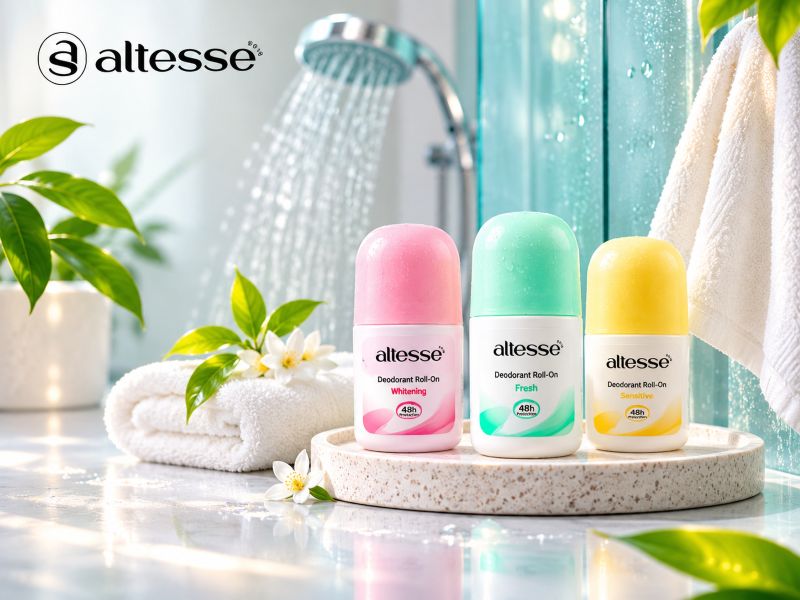
You shower, get dressed, and a few hours later the smell is back? It does not mean you are unclean. Learn why do I smell bad even after showering and how to fix it.
Direct answer: Sweat itself is almost odorless. The smell appears when bacteria on your skin break down the secretions of your underarm glands. A shower removes only some of those bacteria, so odor can return within hours. Drying well, wearing breathable cotton and using a suitable deodorant usually helps.

Why Do I Smell Bad Even After Showering?
Odor comes from your skin's natural bacteria reacting with sweat, and a shower removes only part of them and does not stop sweat from returning. Your skin is naturally covered in bacteria. When you sweat, the water, salt and fat in sweat mix with those bacteria, and that is what produces odor.
Medical sources explain that you have two main kinds of sweat glands. One kind is spread across the body and cools you with light, watery sweat. The other kind sits in hairy areas such as the underarms and groin, and releases a milky fluid when you are stressed. That fluid is odorless until it meets bacteria on the skin, and this is where underarm odor starts.
It also helps to know that what you smell is not the sweat itself but what bacteria produce from it. Underarm secretions contain proteins and fats that bacteria prefer, so odor strength varies from person to person depending on the number of glands, the bacteria on the skin and how much you sweat, even when hygiene habits are identical.
A shower does not reset your skin to zero bacteria either. Within minutes of drying off, the remaining bacteria in tiny skin folds and around hair begin multiplying again. Scrubbing with harsh soap many times a day can dry and irritate the skin without improving the smell. What you need is steady, moderate cleanliness, not overdoing it.
If you want to understand the products first, read deodorant vs antiperspirant: what is the difference before choosing a solution.
Why Does Underarm Odor Return Hours After a Shower?
It returns because your glands keep producing secretions and leftover bacteria multiply quickly in the warm, damp underarm area. The most common reasons are:
- Not drying the area well: trapped moisture helps bacteria grow, so dry your underarms and skin folds fully.
- Stress and nerves: underarm glands respond to stress, so odor can appear even without heat or exercise.
- Unsuitable clothing: tight or synthetic fabrics trap heat and moisture.
- Re-wearing clothes that were not washed well: sweat and bacteria stay in the fibers.
- Underarm hair: hair holds on to sweat and bacteria, and regular hair removal can help reduce odor.
- Hormonal changes: puberty, periods, pregnancy and menopause can all affect body odor.
- Food and medication: some foods and some medicines can change how you smell.
- Excess sweating: the more you sweat, the more material bacteria have to work with.
Cleveland Clinic notes that body odor can change because of hormones, food, infection, medication and conditions such as diabetes, so a sudden unexplained change in your smell is worth discussing with a doctor.
Many women also notice stronger odor before their period, during pregnancy, or during stressful, sleep-deprived weeks. These shifts usually relate to hormones and stress and are often temporary. Keeping a short note of when the smell appears for two or three weeks can help you link it to a cause, and it is useful if you decide to see a doctor.
When Is Body Odor a Sign of a Medical Problem?
If the odor is very strong, persists despite good hygiene, changes suddenly, or comes with heavy sweating, there may be a medical cause worth checking.
- Hyperhidrosis (excessive sweating): a medical condition in which you sweat more than your body needs for cooling, giving bacteria more to work with. It is treatable.
- Bromhidrosis: the medical term for very strong, stubborn body odor that a dermatologist can diagnose.
- Health conditions: diabetes, kidney or liver problems can change body odor, though they are rarely the only explanation.
- Fungal or bacterial skin infections: especially in skin folds, feet and the intimate area.
Mayo Clinic advises seeing a doctor if you suddenly start sweating more than usual, sweating disrupts your daily life, you have night sweats for no clear reason, your body odor changes for no clear reason, or you have a family history of hyperhidrosis.
What Is the Difference Between Deodorant and Antiperspirant?
Deodorant deals with odor, while antiperspirant reduces how much you sweat. Mixing them up is a common reason people see no results. Here is a quick comparison:
| Comparison | Deodorant | Antiperspirant |
|---|---|---|
| What it does | Reduces or masks odor | Reduces the amount of sweat |
| Typical ingredients | Fragrance and odor-targeting ingredients | Usually aluminum salts |
| Best for | Odor without heavy sweating | Noticeable excess sweating |
| How to apply | On clean, dry skin after a shower | On dry skin after a shower and before bed |
| Excess sweating | Does not treat it | One of the first lines of treatment |
Dermatologists point out that unless a product contains an aluminum ingredient, it is not an antiperspirant and will not reduce sweating, although it may be enough if odor is your main concern. If sweat itself is the bigger problem, an antiperspirant or a visit to a doctor is the better step. Read more in how to choose the safest deodorant for sensitive skin.
How Do You Get Rid of Underarm Odor Step by Step?
Wash with running water and soap, dry the area completely, then apply a suitable deodorant to clean, dry skin. These are the most reliable steps:
- Shower daily: focus on underarms and skin folds, and shower again after heavy sweating or exercise.
- Dry thoroughly: use a clean towel and wait until the skin is fully dry before dressing.
- Apply deodorant to dry skin: putting it on damp skin reduces effectiveness and can irritate.
- Remove hair regularly: hair traps sweat and bacteria.
- Wear loose cotton clothing: it lets skin breathe and reduces trapped moisture.
- Change after sweating: do not re-wear clothes soaked in sweat without washing them.
- Reapply when needed: especially in summer or after exertion.
Expert tip: if scented products seem to make the smell worse, try an unscented one, since some fragrances can interact with skin bacteria.
Caution: do not apply deodorant to broken or inflamed skin, and stop if redness or itching appears.
Try Altesse Soin unscented roll-on deodorant as the final step after showering and drying.
Which Daily Habits Reduce Body Odor?
Breathable cotton, thorough drying, lower stress and regular washing of clothes are the simplest habits with the biggest effect. Add these to your routine:
- Wear fabrics that breathe: loose cotton and moisture-wicking fabrics help underarms and underwear alike.
- Drink water regularly: sweating can dehydrate you, so keep up your fluids.
- Track your triggers: heat, spicy food and caffeine can increase sweating for some people, and a short journal helps you spot yours.
- Manage stress: stress activates the glands behind odor, so breathing exercises and walking can help.
- Wash clothes after wearing: especially underarm areas, and do not re-wear a shirt soaked in sweat.
- Care for your feet: rotate shoes and socks and dry your feet well.
Strong-smelling foods such as garlic and onion may affect body odor for some people, but the effect is usually temporary.
A simple "swap rule" also works: a clean top for the underarm area each day, and washing cotton clothes after a single wear in hot weather. Make sure clothes dry fully instead of sitting damp for hours, because damp fabric lets bacteria return, which is often why a clean shirt smells by midday.
If you wear long sleeves or a headscarf for work or by choice, wear a thin cotton layer underneath to absorb sweat and change it during the day if you can. It protects outer clothing and noticeably reduces odor.
Do Apple Cider Vinegar and Essential Oils Work as Home Remedies?
There is no strong evidence that home remedies such as apple cider vinegar or essential oils treat the cause, and they can irritate sensitive skin. Many people try home remedies first, which is natural, but it is important to know their limits.
- Apple cider vinegar: it is acidic and may cause stinging or redness on sensitive or freshly shaved skin.
- Essential oils: they may cover the smell briefly but can trigger allergies and do not fix the cause.
- Baking soda: common in deodorants, but it can irritate some skin types.
It is better to rely on the basics: cleanliness, drying, suitable clothing and a reliable deodorant. If your skin is sensitive, choose a gentle formula and read the best alcohol-free deodorant for sensitive skin.
Before using any new product, do a patch test: apply a small amount to the inner forearm and wait a full day to make sure no redness or itching appears. This simple step can save you days of irritation in an already delicate area like the underarm.
Can Odor Appear in Areas Other Than the Underarms?
Yes, feet and the intimate area are common, and each needs different care. Dermatologists advise applying products only where odor actually starts.
- Underarms: most closely linked to odor because of the number of glands and trapped moisture.
- Feet: many sweat glands, so dry them well and change socks and shoes often.
- Intimate area: do not apply fragranced products there, as they can irritate sensitive skin and raise the risk of a yeast infection.
The American Academy of Dermatology also notes that "whole-body deodorant" does not reduce sweating and only helps in spots where odor starts, so there is no need to apply it all over.
For your feet, change socks daily, choose shoes made of natural materials that let air circulate, and avoid wearing the same pair two days in a row so they can dry fully. This advice follows dermatologist guidance for sweaty feet.

How Soon Will Odor Improve After Changing Your Routine?
Most people notice improvement within days of consistent hygiene, drying and a suitable product, though excess sweating takes longer. A realistic timeline:
First week:
- ✓ Clear improvement from drying the area and changing clothes.
- ✓ Odor appears later in the day with a suitable deodorant.
Two weeks to one month:
- ✓ More stable results as habits stick.
- ✓ Underarm skin that feels more comfortable and less irritated.
After one month:
- ✓ If odor persists despite consistency, see a doctor to rule out excess sweating or another cause.
Important: do not expect a miracle in an hour. Consistency with habits and the right product is what makes the difference.
What Are the Most Common Mistakes That Make Body Odor Worse?
The biggest mistakes are applying deodorant to damp skin, skipping drying, and wearing synthetic fabrics. Here are the mistakes and the fix:
- Mistake 1: applying deodorant to wet skin. Fix: dry the area completely first.
- Mistake 2: relying on perfume to cover odor. Fix: address the cause with hygiene, drying and the right product.
- Mistake 3: wearing tight synthetic fabrics. Fix: choose cotton and looser fits.
- Mistake 4: re-wearing sweaty clothes. Fix: wash them after each wear.
- Mistake 5: confusing deodorant with antiperspirant. Fix: choose what matches your problem.
- Mistake 6: using irritating products right after shaving. Fix: wait until skin calms or choose a gentle formula.
- Mistake 7: ignoring a sudden change in odor. Fix: talk to a doctor.
Most of these mistakes are simple and can be corrected within days, with no special tools, just a change in step order and fabric choice.
Which Altesse Soin Products Help With Body Odor?
From the Altesse Soin range we picked our roll-on deodorant, available in five scents and an unscented version. According to the product description, each one offers protection that lasts up to 48 hours, helps even out underarm skin tone gradually, and delays hair regrowth, and it is free from aluminum, parabens and ammonia. Because it is aluminum-free, it is a deodorant, not an antiperspirant.
1. Unscented roll-on: for simplicity or fragrance-sensitive skin
If you prefer a quiet product that does not compete with your perfume, or your skin reacts to fragrance, this version is the best fit. It gives the same benefits without adding any scent.
How to use: apply to clean, dry skin after showering.
Order the unscented roll-on deodorant (50 ml) for a clean, calm start.
2. Pear and cantaloupe roll-on (Félicité): light, fruity freshness
For those who like fresh fruity scents that suit daytime and summer, this edition pairs pear and cantaloupe in a light fragrance, with the same protection and tone-evening benefits.
How to use: a good everyday choice for work and outings.
Choose the pear and cantaloupe roll-on deodorant (50 ml) for freshness that stays with you.
3. Aloe vera and cucumber roll-on (Aurora): calm and soft
If you like gentle, fresh scents, aloe vera and cucumber is a soft option that feels refreshing, especially on hot days.
How to use: ideal after a shower on a hot morning.
Try the aloe vera and cucumber roll-on deodorant (50 ml) for calm freshness.
4. Oud and coconut roll-on (Belle Vie): distinctive warmth
For those who prefer deeper, warmer scents, this one blends oud and coconut for an elegant presence that suits evenings and occasions.
How to use: make it your companion for events and evenings out.
Discover the oud and coconut roll-on deodorant (50 ml) for a distinctive scent.
5. Dessert-scented roll-on (Délicat): a sweet touch
If you love soft sweet scents, this dessert-scented edition gives a light, sweet presence with the same protection.
How to use: suits quiet days at home and light outings.
Order the dessert-scented roll-on deodorant (50 ml) for a sweet touch that lasts.
6. Soft powder roll-on (Sérénité): clean and soft
For those who want a feeling of cleanliness and softness, the soft powder scent gives a classic, calm character suited to daily use.
How to use: an excellent choice for a daily work routine.
Choose the soft powder roll-on deodorant (50 ml) for softness that lasts.
Tip: if your underarms are dark, also read the best deodorant for dark underarms and the best whitening deodorant for women to see how tone care and protection work together.
What Is the Best Daily Routine to Get Rid of Body Odor?
Shower, then dry, then deodorant, then suitable clothing. This is the daily routine we suggest:
Morning:
- Shower with running water: focus on underarms and skin folds.
- Dry completely: a clean towel, then wait a minute for skin to dry.
- Deodorant: a thin layer of the unscented roll-on or your favorite scent on dry skin.
- Comfortable cotton clothing: avoid tight fabrics.
During the day:
- Blot sweat when needed: with a clean tissue before reapplying.
- Reapply: after heat or exertion.
Evening:
- Gentle shower: after a long day or activity.
- Dry, then let skin rest: with no irritating products.
Quick Facts About Body Odor
- Sweat itself is almost odorless; bacteria create the smell.
- The glands linked to odor are in the underarms and intimate area.
- Stress activates these glands, so odor can appear without heat.
- Deodorant handles odor; antiperspirant reduces sweat.
- Thorough drying after a shower matters more than many people think.
- Loose cotton clothing reduces trapped moisture.
- A sudden change in odor deserves a doctor's opinion.
Common Misconceptions About Body Odor
Misconception 1: "Odor means poor hygiene." In reality many people who care about hygiene still have odor because of glands and bacteria.
Misconception 2: "A shower kills bacteria for good." Bacteria begin to multiply again within hours.
Misconception 3: "A stronger perfume solves it." Perfume covers odor briefly but does not treat the cause.
Misconception 4: "Every deodorant reduces sweat." A deodorant does not reduce sweat unless it is an antiperspirant with aluminum salts.
Misconception 5: "Home remedies are always safe." They can irritate sensitive skin and do not replace treating the cause.
When Should You See a Doctor Immediately?
See a doctor if your odor changes suddenly, your sweating clearly increases, or it affects your daily life. Seek medical advice in these cases:
- A sudden increase in sweating compared with usual.
- Night sweats with no clear reason.
- A change in body odor with no known cause.
- Sweating that disrupts daily life or makes you avoid activities.
- A family history of excessive sweating.
- Redness, itching, rash or inflammation in the underarms or skin folds.
Urgent note: if sweating comes with chest pain, nausea or dizziness, seek medical help right away.
This article is for awareness and does not replace a doctor's diagnosis or prescription.
FAQ: Why Do I Smell Bad Even After Showering?
Why do I smell bad even though I shower every day?
A shower removes some bacteria, not all of them, and your glands keep releasing secretions that the remaining bacteria feed on, so odor can return within hours.
Does body odor mean poor hygiene?
No. Odor comes from bacteria reacting with gland secretions and affects many people who take good care of their hygiene.
What is the difference between deodorant and antiperspirant?
Deodorant deals with odor only, while antiperspirant reduces the amount of sweat and usually relies on aluminum salts.
Can stress cause body odor?
Yes. Stress activates the glands in the underarms, so odor can appear even without heat or exertion.
Does clothing affect body odor?
Yes. Tight or synthetic fabrics trap moisture and heat and increase odor, while loose cotton helps skin breathe.
When should I apply deodorant?
Apply it to clean, dry skin after showering, and reapply if you face heat or exertion.
Does apple cider vinegar get rid of underarm odor?
There is no strong evidence that it works, and it can sting or redden the skin, especially after shaving, so rely on hygiene, drying and a suitable product instead.
Does removing underarm hair reduce odor?
It can help, because hair holds on to sweat and bacteria, and some medical sources suggest regular shaving as part of reducing odor.
Does an aluminum-free deodorant treat excessive sweating?
No. It can reduce odor but does not reduce the amount of sweat. For excessive sweating, talk to a dermatologist about the most suitable option.
Can body odor be a sign of illness?
Sometimes. Odor can change because of hormones, medication, infection and certain conditions such as diabetes. If the change is sudden and unexplained, see a doctor.
Why is odor stronger under one arm than the other?
Differences in activity, bacteria or moisture between the two sides can explain it. Most cases are harmless, but if the difference persists, ask a doctor.
How soon will I see improvement after changing my routine?
Usually within a few days with good drying, a suitable product and cotton clothing. If nothing improves after a month, see a doctor.
Need help choosing the right deodorant for you? The Altesse Soin team is happy to answer your questions.
WhatsApp: https://wa.me/201001143374
Email: info@altessesoin.com
Phone: +2 010 0114 3374
Medical References
- Mayo Clinic. Sweating and body odor: Symptoms and causes. https://www.mayoclinic.org/diseases-conditions/sweating-and-body-odor/symptoms-causes/syc-20353895
- Cleveland Clinic. Body odor: causes, changes, underlying diseases and treatment. https://my.clevelandclinic.org/health/symptoms/17865-body-odor
- American Academy of Dermatology Association. Should I use whole-body deodorant? https://www.aad.org/public/everyday-care/skin-care-secrets/routine/whole-body-deodorant