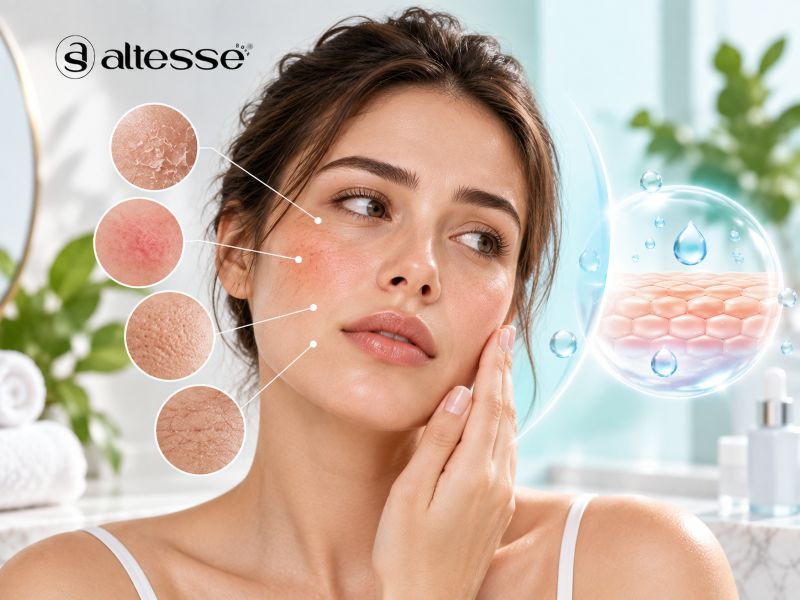
Worried about redness, warmth, or dryness on your face after a laser session? That's normal in many cases — but getting the aftercare wrong can extend your recovery or trigger irritation you didn't need. In this guide, you'll find the most important aftercare tips after laser facial treatment to protect your skin, reduce redness, and choose the right routine based on your specific laser type and your provider's instructions.
After a laser session, skin becomes temporarily more sensitive to heat, sun, friction, and active ingredients. So don't rely on generic advice alone — always follow your clinic's instructions first, since aftercare differs between laser hair removal, pigmentation lasers, and resurfacing or ablative lasers. Recovery from some non-ablative lasers can be quick, while CO2 laser resurfacing may take longer, sometimes up to around two weeks.
Aftercare Tips After Laser Facial Treatment: What to Do Right Away

The most important aftercare tips after laser facial treatment are gently cooling the skin, avoiding touching or rubbing the area, and sticking to any cream or ointment your provider prescribed.
A laser session works by directing focused light at a specific target within the skin, such as hair follicles, pigment, or damaged skin layers. Because of this, you may notice redness, mild swelling, a warmth similar to a light sunburn, or a feeling of tightness after your session.
Immediate care isn't just about comfort — it helps reduce redness and protect the skin barrier. Think of your skin right after laser as a sensitive surface that needs time to settle; any friction, heat, or strong product can increase inflammation.
Start with these steps:
-
Apply a cold compress wrapped in a clean cloth for short periods, as your clinic directs.
-
Never apply ice directly to your face.
-
Wash your hands before touching the treated area.
-
Avoid scratching, rubbing, exfoliating, or picking at the skin.
-
Prop your head up slightly while sleeping if there's swelling.
-
Only use products recommended by your dermatologist or laser clinic.
Some laser protocols advise skipping moisturizer, sunscreen, and makeup for the first 48 hours to reduce friction, while resurfacing lasers call for specific cleansing and hydration steps. That's why your provider's instructions should always be your first reference.
Why Skin Needs Special Care After a Laser Session
Skin needs special care after a laser session because it becomes temporarily more sensitive, which means friction, heat, or sun exposure can increase irritation.
Why this aftercare period matters:
-
Reduces redness: Mild redness can be an expected part of the skin's response to treatment, but gentle care helps prevent it from getting worse.
-
Protects the skin barrier: Proper hydration can ease dryness and tightness and help skin regain its comfort.
-
Lowers the risk of pigmentation: Sun protection matters, especially after procedures that make skin more light-sensitive.
-
Supports healing: Avoiding rubbing, scratching, and irritating products gives skin a better chance to heal.
-
Preserves your treatment results: Excessive sun exposure can negatively affect skin and increase the chance of unwanted discoloration after certain laser types.
-
Reduces the chance of irritation: Temporarily pausing exfoliants, fragrances, and active ingredients can be appropriate when skin is highly sensitive.
-
Helps catch complications early: Knowing what's abnormal helps you reach out to your provider at the right time.
The American Academy of Dermatology emphasizes following your doctor's instructions after laser treatment and protecting skin from the sun until it heals, since UV exposure post-treatment can increase the chance of unwanted changes in the skin.
Step-by-Step Post-Laser Skin Care
Proper care starts with following your provider's instructions, then gradually returning to a simple routine instead of treating every symptom with a different product.
-
Leave the skin alone. Don't repeatedly touch, rub, or scratch the treated area.
-
Wash your face gently, once your provider allows it. Use lukewarm water and a gentle cleanser, then pat dry instead of wiping.
-
Use the prescribed product. If your doctor prescribed a cream or ointment, use it exactly as directed.
-
Keep up with hydration once it's allowed. Choose a gentle, fragrance-free moisturizer if your doctor recommends one.
-
Protect skin from the sun. Minimize direct sun exposure and use the protection your doctor recommends, once your laser type allows it.
-
Avoid excess heat. Skip saunas, steam rooms, very hot baths, and anything that overheats your skin during the period your clinic specifies.
-
Pause active ingredients temporarily when needed. This includes exfoliants, retinoids, and acids — reintroduce them only per your doctor's guidance.
-
Watch for changes. Gradually improving redness is very different from new or worsening symptoms like blistering or discharge.
💡 Expert tip: The simpler your routine in the first few days, the easier it is to identify which product is causing irritation if an unwanted reaction occurs.
⚠️ Caution: Never apply ice directly to skin. If your doctor recommends cooling, use a proper, covered cooling method exactly as instructed.
Why Post-Laser Care Matters for Better Results
Proper aftercare protects skin during the healing phase and reduces the chances of irritation, post-inflammatory pigmentation, and skin infections.
The laser session alone doesn't create the outcome — what you do in the days that follow matters just as much. Following the recommended aftercare gives skin the chance to renew calmly and makes better results more likely.
Key benefits of consistent aftercare:
-
Less redness: Gentle cooling and avoiding heat help calm sensitive skin.
-
Protection against pigmentation: Sun exposure can increase the chance of dark spots, especially for skin prone to discoloration.
-
Support for healing: A suitable prescribed cream and simple moisturizer, once medically approved, reduce dryness and tightness.
-
Lower infection risk: Not touching the skin or picking at it protects the surface layer while it heals.
-
Preserved results: Avoiding exfoliants and acids prevents irritation that could disrupt your treatment plan.
-
More daily comfort: A simple routine reduces itching, dryness, and heat sensations.
-
Fewer scars: Picking at scabs or scratching skin can increase the chance of marks or scarring.
Many aftercare protocols recommend avoiding saunas, steam rooms, swimming, intense exercise, and fragranced products during the first few days after treatment.
Who Needs Different Aftercare Advice?

Aftercare advice varies based on laser type, treatment intensity, skin tone, the treated area, and your skin history.
You may need an especially gentle routine after a laser session if you fall into one of these categories:
-
Facial laser hair removal: Redness or swelling around follicles may appear briefly.
-
Pigmentation laser treatment: Needs strict sun protection to prevent marks from returning or darkening.
-
Resurfacing or ablative laser treatment: Needs more precise care, and specific ointments or cleansing may be prescribed.
-
Sensitive skin: Best to avoid fragrances, exfoliants, and multi-ingredient products.
-
Deeper or tan skin tones: May be more prone to post-inflammatory hyperpigmentation, making sun protection essential.
-
A history of cold sores: Tell your doctor before treatment — you may need a preventive plan depending on the procedure.
-
Users of active skincare treatments: Such as retinoids, exfoliating acids, or acne treatments — ask your doctor about the right timing to pause and resume them.
Don't compare your experience to a friend's or something you saw online — the device type, laser depth, or skin condition may be completely different.
How to Choose the Best Cream for After Laser Treatment
The best post-laser cream is the one your doctor recommends — simple in formula, free of fragrance, exfoliants, and irritating ingredients during your recovery period.
Choosing the "best" cream doesn't mean picking one packed with ingredients or marketed as highly potent — in fact, post-laser skin usually needs as few ingredients as possible.
Use these criteria when choosing:
|
Criteria |
What to Look For |
Why It Matters |
|
Doctor's recommendation |
A specific cream or ointment for your case |
Laser instructions vary by procedure |
|
Fragrance-free |
"Fragrance-Free," not just "Unscented" |
Fragrance can trigger irritation |
|
Barrier-supporting ingredients |
A simple moisturizer or occlusive when recommended |
Helps ease dryness and tightness |
|
No exfoliants |
No acids, retinol, or granular scrubs |
Prevents increased sensitivity post-session |
|
Gentle texture |
No stinging or burning on application |
Skin doesn't need an irritating product |
|
Tolerance test |
Apply only as your doctor directs |
Reduces the chance of an unwanted reaction |
Dermatologists may recommend an occlusive moisturizer like petroleum jelly or a simple medical-grade moisturizer in certain cases, while instructions may differ significantly for the first 48 hours depending on the laser treatment.
How to Wash Your Face After a Laser Session
Washing your face after a laser session should be extremely gentle, following the method and timing set by your clinic, without rubbing or very hot water.
Follow these practical steps:
-
Stick to your clinic's washing schedule. Some laser sessions require keeping the area dry for a short period, while others need frequent cleansing with a specific solution.
-
Wash your hands first. A small step that reduces the chance of transferring bacteria to sensitive skin.
-
Use lukewarm or slightly cool water. Avoid hot water, since it can increase redness.
-
Choose a gentle cleanser only once it's allowed. Ideally fragrance-free, alcohol-free, and free of exfoliating acids.
-
Skip washcloths and cleansing brushes. Skin doesn't need extra friction after laser sessions.
-
Pat dry. Use a clean, soft towel and pat gently instead of wiping.
-
Apply the prescribed cream. Smooth on a thin layer of the product your doctor recommended.
💡 Expert tip: Prepare a gentle cleanser, clean towels, and a suitable sunscreen ahead of your session so they're ready to use once you're cleared.
⚠️ Caution: Avoid alcohol-based toners, exfoliants, and fragranced soaps during recovery — some treatment guidelines recommend avoiding cleansers and alcohol-based toners for several days after laser treatment.
What Products Can Be Combined or Should Be Avoided After Laser?
After laser treatment, stick to a few gentle products, and confirm with your doctor before reintroducing any active ingredient to your routine.
Safe and effective with your doctor's guidance:
-
Fragrance-free moisturizer: Supports the skin barrier and reduces tightness.
-
A suitable soothing gel: May help ease warmth or discomfort if recommended by your clinic.
-
Broad-spectrum sunscreen: Used once skin has healed or per your doctor's timing, with suitable facial protection.
-
A prescribed cleansing solution: Especially important after resurfacing lasers, when directed by your doctor.
Use with caution:
-
Vitamin C: Can sting for some people, so don't reintroduce it until your doctor approves.
-
Niacinamide: May suit certain cases, but the full formula matters more than the ingredient name alone.
-
Makeup: Doesn't return immediately — wait until irritation resolves or per your clinic's instructions.
Temporarily avoid:
-
Retinol and tretinoin: May cause irritation; for some resurfacing treatments, reintroduction may be delayed roughly 4 to 6 weeks or per your doctor's guidance.
-
AHA, BHA, and glycolic acids: Increase peeling and sensitivity.
-
Scrubs and cleansing brushes: Add friction your skin doesn't need.
-
Fragrances and essential oils: Can irritate skin.
-
Alcohol-based products: May increase dryness and stinging.
When Do Results From a Laser Facial Session Appear?
Results depend on the laser type and treatment goal, but early redness and improvement don't always represent the final outcome.
You may notice a quick change in skin texture right after your session, but skin renewal, pigmentation improvement, or hair growth reduction takes time and a suitable treatment plan.
|
Timeframe |
What May Appear |
What You Should Do |
|
First 24–48 hours |
Redness, warmth, mild swelling, or dryness |
Gentle cooling; avoid heat and friction |
|
Days 3–7 |
Gradual calming, mild dryness or flaking depending on treatment |
Prescribed hydration; don't pick at flaking skin |
|
2 weeks to a month |
Clearer improvement in texture or tone, depending on the case |
Continue consistent sun protection |
|
1–3 months |
Deeper results appear for some rejuvenation treatments |
Evaluate progress with your doctor and stick to the plan |
With laser resurfacing, redness can last for weeks, while recovery is usually shorter with some non-ablative laser types.
⚠️ Important: Don't judge your treatment's success from day one. Consistent aftercare, sun avoidance, and keeping your follow-up appointment are key to preserving the best results.
Common Mistakes After Laser Sessions
The most common mistake is treating skin as if it's already back to normal right after the session.
Mistake 1: Applying ice directly to skin. Do this instead: Use a cold compress or ice pack wrapped in a clean cloth for a short period.
Mistake 2: Washing your face with hot water. Do this instead: Use lukewarm water and avoid steam and hot baths.
Mistake 3: Applying makeup to hide redness right away. Do this instead: Wait for the timing your clinic specifies, so makeup tools don't cause friction or contamination.
Mistake 4: Picking at skin or peeling off scabs. Do this instead: Let scabs fall off naturally — removing them can increase the risk of scarring or infection.
Mistake 5: Jumping back into intense exercise too soon. Do this instead: Avoid activity that raises your body temperature during the period your doctor specifies.
Mistake 6: Going straight back to retinol and acids. Do this instead: Reintroduce them gradually, and only with medical approval.
Mistake 7: Skipping sunscreen. Do this instead: Use suitable sun protection once it's allowed, and reapply with sun exposure.
Medical guidance points to avoiding direct sun, swimming, saunas, fragranced products, and picking at scabs during recovery.
Best Post-Laser Facial Care Products
The best post-laser products aren't the most numerous — they're the ones that genuinely match your laser type, your doctor's instructions, and your skin's condition. Rather than recommending specific brands that may not suit every case, here's a practical order for choosing the right product category:
1. The prescribed moisturizer or medical ointment This is the priority, especially if skin is dry or flaking. Choose the product your clinic prescribed or a simple, fragrance-free formula.
2. A very gentle cleanser or specific cleansing solution Suits the face-washing stage once it's allowed. Avoid cleansers with fragrance, acids, or granules.
3. Broad-spectrum facial sunscreen Ideally SPF 30 or higher after healing, and some laser clinics recommend SPF 50 with strong UVA protection, especially during treatment periods.
4. A soothing gel per medical guidance May help calm a warm sensation after certain laser types, such as an aloe vera gel recommended by your clinic.
5. Makeup, once you've recovered Return to it only once skin has calmed down and your clinic allows it, using clean tools and gentle formulas.
Tip: Using the best cream doesn't replace sun protection. The cream supports healing, but UV protection is what actually preserves your skin from pigmentation and protects your results long-term.
Suggested Daily Routine After Laser Treatment
Your post-laser routine should be short, calm, and adjustable based on your dermatologist's or laser clinic's instructions.
Morning:
-
Wash or cleanse your face the way your doctor approved.
-
Apply a thin layer of the prescribed cream or moisturizer.
-
Use sunscreen once your doctor allows it, choosing broad-spectrum protection suited for the face.
-
Wear a hat or use an umbrella during direct sun exposure.
Evening:
-
Cleanse skin gently, without rubbing.
-
Apply the prescribed treatment product or moisturizer.
-
Avoid retinol, exfoliants, strong serums, and fragrances until recovery is complete.
-
Sleep on a clean pillowcase and try to minimize your face rubbing against it.
Don't try several products at the same time. If strong burning, a rash, or increasing itching appears after a new product, stop using it and contact your clinic.
Why Choose Altesse Soin Products for Post-Laser Facial Care
Choosing products for aftercare after laser facial treatment calls for gentle formulas suited to skin's needs during recovery, and Altesse Soin products can help build a complete routine focused on cleansing, hydration, soothing, and sun protection — always alongside your doctor's instructions on timing for each product.
-
Cica Mild Foaming Cleanser: A gentle cleanser that helps clean skin without needing to rub, making it a good fit for a sensitive-skin routine once your provider allows face washing after your session.
-
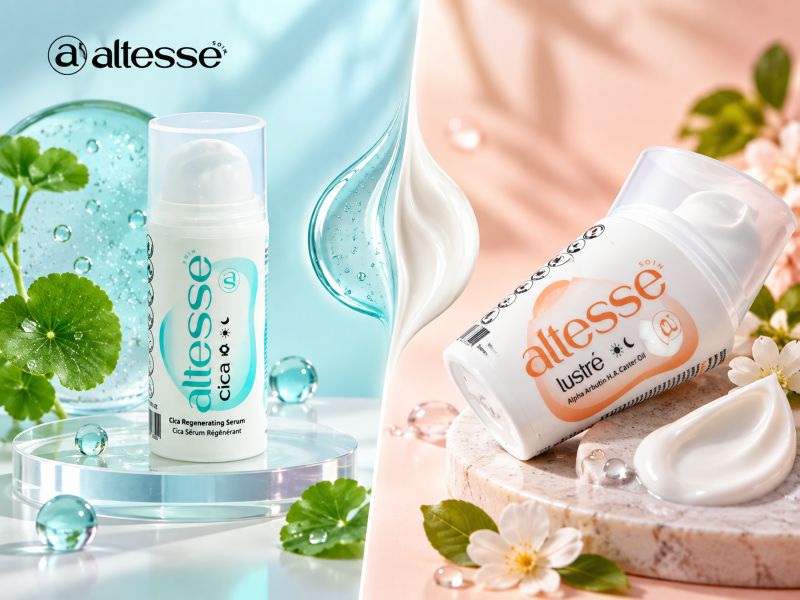
Cica Regenerating Serum: Focused on hydration and barrier support, and can be introduced into your routine based on the product timing your doctor sets.
-
Cica Repairing Gel Cream: A gel-cream that helps hydrate and calm skin, especially useful when you're feeling dryness or tightness during recovery.
-
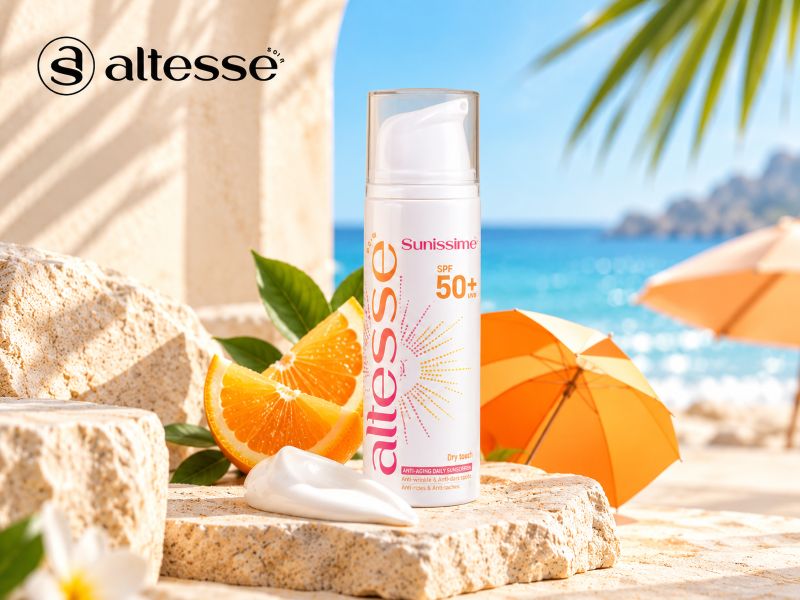
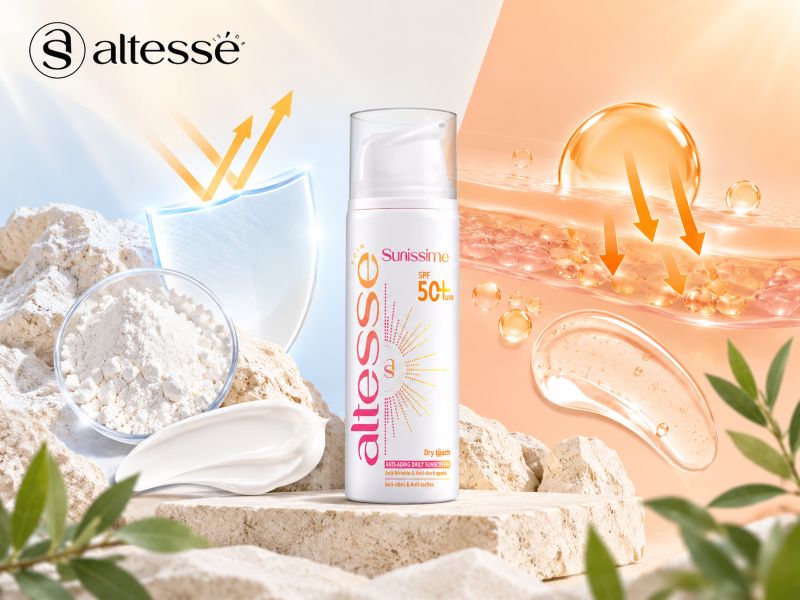
Sunissime SPF50+: A broad-spectrum sunscreen used once your doctor allows sunscreen use, to help protect skin from UV exposure.
Choosing Altesse Soin products makes it easier to build a simple, complete skincare routine instead of layering on too many products, which could otherwise increase sensitivity after a laser session.
Quick Facts About Post-Laser Care
-
Mild redness and warmth can be expected, but their intensity and duration vary by laser type.
-
Never apply ice directly to skin — use a wrapped cold compress instead.
-
Avoid direct sun exposure, since skin becomes more UV-sensitive after treatment.
-
Your clinic may recommend avoiding makeup, moisturizer, and sunscreen for the first 48 hours with certain laser sessions.
-
Don't rub your face or peel off scabs or flaking skin.
-
Resurfacing lasers may need different cleansing and hydration instructions than laser hair removal.
-
Don't reintroduce retinol or acids without medical guidance.
-
Sun protection may need to continue for months after treatment, depending on the procedure and your skin.
Common Myths About Post-Laser Care
"Using more products gets you better results." Not true. After laser treatment, skin needs a simple, gentle routine, especially if it's irritated.
"Redness means the session damaged my skin." Not necessarily. Redness can be temporary after certain laser types, while severe or increasing redness needs a medical evaluation.
"I can use any soothing cream." Not necessarily. Some creams contain ingredients or fragrances that increase irritation, so choose based on your skin's condition and your doctor's instructions.
"Sunscreen isn't important in winter." Not true. UV protection matters year-round, especially after laser procedures.
"If results aren't visible right away, the session didn't work." Not accurate. Results from some laser sessions appear gradually, and certain cases need multiple sessions.
"I can exfoliate once my skin starts peeling." Peeling doesn't mean you should rub or remove the skin — doing so can increase irritation and delay healing.
"Aftercare instructions are the same for every laser type." Not true. Care differs based on laser type, treatment depth, treated area, and skin condition.
Always follow your doctor's instructions after your session, and avoid trying new products or procedures before your skin has fully calmed down.
When to See a Doctor Immediately
Contact your doctor or clinic right away if you notice symptoms that are unusual or getting worse instead of better.
Seek urgent medical evaluation if you notice any of the following:
-
Severe or increasing pain that doesn't improve with prescribed instructions
-
Noticeable swelling that's rapidly increasing or spreading to new areas
-
Large blisters, deep wounds, or significant skin color changes
-
Pus, yellow discharge, an unusual odor, or increased warmth in the area
-
Fever or a general feeling of illness
-
Severe rash, swelling of the lips or eyes, or difficulty breathing — this is an emergency
-
Persistent or worsening redness with heat and pain after previously improving
-
Noticeable dark or light pigmentation that needs early evaluation
Don't use a topical antibiotic, cortisone cream, or home remedy on your own unless it's prescribed by the doctor who performed your laser session.
FAQ: Aftercare Tips After Laser Facial Treatment
How long does redness last after a laser facial treatment?
It can last from hours to a few days for simpler sessions, but may last weeks after certain resurfacing laser types. If redness is increasing or accompanied by pain and discharge, contact your doctor.
Can I wear makeup after a laser session?
Don't apply makeup until your doctor or clinic approves it. Some laser instructions call for avoiding it for 48 hours or more to reduce friction and irritation.
Should I use a moisturizer after laser treatment?
You can use a suitable cream or moisturizer if your doctor recommends one, but don't assume every session allows immediate hydration — instructions vary by laser type and treatment depth.
What's the best sunscreen after laser treatment?
Choose a broad-spectrum sunscreen suited for the face with at least SPF 30, used after skin has healed or per your doctor's timing. Some treatment protocols recommend SPF 50.
Can I use aloe vera after laser treatment?
A soothing aloe vera gel may be recommended after certain laser types to ease discomfort, but only use a suitable product with your clinic's approval, especially if skin is flaking or broken.
When can I go back to using retinol after laser treatment?
Don't reintroduce retinol or tretinoin until your doctor approves it. For some resurfacing treatments, this may be delayed several weeks.
Can I be in the sun after a laser facial session?
It's best to avoid direct sun exposure and use suitable protection once medically approved. Treated skin is more sensitive and can be prone to pigmentation.
Can I shave or remove facial hair after laser treatment?
Don't shave or remove hair using irritating methods until the period your clinic specifies — some guidance suggests avoiding shaving for several days after a session.
Are laser sessions safe for sensitive skin?
They can be appropriate with proper skin assessment and the right settings, but sensitive skin needs more conservative preparation, aftercare, and close follow-up with your doctor.
Following the right aftercare tips after laser facial treatment is just as important as the session itself for getting the results you want. Keep your routine simple, protect your skin from heat and sun, avoid touching or picking at the treated area, and always follow your provider's specific instructions over generic advice.
Contact Altesse Soin
If you're looking for products suited to caring for your skin after a laser facial session — to help soothe, hydrate, and support your skin barrier during recovery — you can reach out to the Altesse Soin team to find the right products for your routine based on your skin's needs.
-
WhatsApp: https://wa.me/201001143374
-
Email: info@altessesoin.com
-
Phone: +2 010 0114 3374
Medical references consulted for accuracy: American Academy of Dermatology guidance on post-laser sun protection and following provider instructions; U.S. Dermatology Partners on reducing redness and post-laser ingredient choices.