Your skin feels tight, it's cracking, and it burns the second you apply anything to it? That's a sign your protective barrier has genuinely broken down. Ignoring the problem only makes it worse day by day. The solution starts with the right best cream for dry skin barrier repair, and this guide walks you through everything you need to know.
The best cream for repairing a dry skin barrier is one that contains ceramides in balanced ratios alongside cholesterol and free fatty acids, plus hydrating ingredients like hyaluronic acid and glycerin. This combination mimics skin's natural composition and helps repair a damaged barrier, calm irritation, and reduce water loss through the skin within just a few weeks of consistent use. A rich, ceramide-based moisturizing cream is a well-known example in this category for its effective calming ingredients.
What Is a Cream for Dry Skin Barrier Repair?
A skin barrier repair cream is a product designed to support skin's natural barrier when it's weakened by dryness or harmful environmental factors. The skin barrier is the outermost layer of skin, scientifically known as the stratum corneum. You can think of it as a wall that maintains skin's balance and protects it from water loss and outside factors.
This barrier is mainly made up of
-
Skin cells that form its basic structure
-
Ceramides, cholesterol, and fatty acids that help bind cells together and maintain moisture
When your skin barrier weakens, you may notice increased dryness, roughness, flaking, and irritation, and skin can become more sensitive to products and outside factors. This is exactly where barrier repair creams come in — they help hydrate skin, reduce water loss, and support skin's natural barrier. Understanding your skin's actual needs helps you choose the best cream for it instead of trying multiple products that may not suit your skin's condition.

What Are the Effective Calming Ingredients in a Barrier Repair Cream?
Some formulas contain ingredients that help hydrate and calm skin while supporting its barrier, but choosing them depends on skin's needs and tolerance.
Ingredients you might find in products for dry skin
-
Ceramides: help support the barrier's lipid structure
-
Glycerin: helps draw in water and maintain skin's hydration
-
Hyaluronic acid: supports skin hydration and improves its feeling of softness
-
Colloidal oatmeal: used in some formulas to help calm dry, irritated skin
-
Occlusive ingredients: help reduce water loss and maintain hydration
More important than focusing on a single ingredient's name is looking at the full formula and how well it suits your skin, especially if it's sensitive or quick to react.
How to Protect Your Skin Barrier from Harmful Environmental Factors
Protecting your barrier doesn't stop at using a cream, because some daily habits can increase dryness and affect skin's ability to hold onto water.
To maintain your natural skin barrier
-
Avoid washing your face with very hot water
-
Choose a gentle cleanser instead of harsh products
-
Don't over-exfoliate
-
Use a moisturizing cream regularly
-
Make sure to use sunscreen during the day
-
Reduce skin's exposure to very dry air when possible
With these steps, you're not just trying to fix a damaged barrier — you're also helping strengthen its natural ability to protect skin and maintain hydration.
Why Do You Need a Cream for Dry Skin Barrier Repair?
A barrier repair cream gives you a range of benefits that go beyond surface-level hydration, because it addresses the problem at its root.
-
Restoring deep hydration: helps retain water within skin's layers instead of losing it quickly, which reduces noticeable dryness within days
-
Calming irritation and redness: often contains calming ingredients like panthenol and niacinamide that ease the feeling of burning and itching
-
Strengthening skin's natural defenses: boosts skin's ability to resist harmful environmental factors like pollution and harsh weather
-
Reducing sensitivity to products: as the barrier improves, allergic-type reactions to other skincare products tend to decrease
-
Supporting skin elasticity: consistent hydration keeps skin soft and reduces the appearance of fine dryness lines
-
Speeding up recovery from damage: studies suggest a healthy barrier may recover within 2 to 4 weeks with consistent use of a moisturizer rich in the right lipids
-
Preventing future problems: a strong barrier reduces the likelihood of eczema or recurring skin inflammation
Together, these benefits make a barrier repair cream an essential step, not a luxury, in your daily skincare routine.
Who Is a Cream for Dry Skin Barrier Repair Best Suited For?
This type of cream isn't limited to one category — it suits a wide range of skin needs.
-
Anyone with dry skin that feels tight throughout the day
-
Anyone with sensitive skin that gets irritated easily by regular products
-
Anyone dealing with recurring redness or unexplained itching
-
Anyone who's overused exfoliants or retinol and left their skin stressed
-
Anyone living in a dry or hot climate, like Saudi Arabia and the Gulf region
-
Anyone with chronic skin conditions like eczema or atopic dermatitis (following medical guidance)
-
Anyone looking for a preventive routine to maintain their skin's health long-term
If you fall into any of these categories, adding a barrier repair cream to your routine isn't optional — it's a necessity.
How to Choose the Best Cream to Repair Your Dry Skin Barrier
Choosing the right cream depends on reading the ingredients carefully rather than relying on advertising alone.
-
1. Ceramide and cholesterol ratio: look for products containing a mix of ceramides, cholesterol, and free fatty acids, since this blend mimics the skin barrier's natural composition and delivers the best results
-
2. Free from fragrance and alcohol: synthetic fragrances and drying alcohol are among the most common causes of irritation, so it's best to choose creams free from them, especially for sensitive skin
-
3. The right texture: rich, heavy creams are more effective for severe dryness compared to a light lotion, which only suits mild dryness
-
4. A balanced pH level: a product with a pH close to skin's natural level (around 4.5 to 5.5) maintains the barrier without disrupting its balance
-
5. Dermatological testing or recommendation: products that are dermatologist-tested or pharmacy-recommended give you an extra layer of confidence
-
6. Match to your skin type: what suits normal dry skin might not suit inflamed, sensitive skin, so read the label carefully before buying
What Makes Altesse Soin Products a Trusted Choice?
Altesse Soin products combine daily skincare with formulas that target skin's different needs, making them a practical choice for anyone looking for a simple, complete routine.
What sets them apart
-
Attention to skin's needs: choosing products suited to different skin needs, especially with a focus on hydration and natural barrier care
-
Support for skin hydration: offering options that help maintain skin's softness and reduce the feeling of dryness
-
Care for dry and sensitive skin: focusing on products that fit easily into a daily care routine
-
A practical choice for a daily routine: easy to coordinate alongside cleansing, hydration, and protection steps
-
Complete care: instead of focusing on a single problem, you can build a routine that addresses skin's overall appearance, comfort, and daily needs
So if you're looking for products that help hydrate your skin and support its natural barrier, Altesse Soin can be a solid starting point for choosing a routine that matches your skin's needs.
How to Use a Skin Barrier Repair Cream, Step by Step
Using the product correctly matters just as much as choosing it — the wrong method significantly reduces its effectiveness.
-
Gentle cleansing: use a cleanser free from harsh soap, with a balanced pH, and avoid very hot water
-
Pat dry: dry your skin with a soft towel using gentle patting, not rubbing
-
Apply within minutes of washing: apply the cream within the first three minutes after cleansing to lock in the most moisture possible
-
Use a generous amount: use enough product to fully cover your face without harsh rubbing
-
Massage gently: spread the cream in light, upward circular motions until it's well absorbed
-
Repeat twice daily: apply it morning and evening to maintain a consistent level of hydration throughout the day
-
Stay consistent for weeks: don't expect instant results from a single use — the barrier needs time to rebuild
-
Avoid over-exfoliating during treatment: pause strong exfoliants until your skin has fully recovered
Expert tip: apply the cream to slightly damp skin rather than completely dry skin — this boosts its ability to lock water deep within skin's layers.
Warning: avoid rubbing an irritated area harshly or using alcohol-based wet wipes, as this increases damage to an already compromised barrier instead of helping repair it.
Can a Barrier Repair Cream Be Combined with Other Skincare Products?
Yes, a barrier repair cream can be combined with most skincare products, but some ingredients need special caution during your skin's recovery period.
Safe and effective with
-
Hyaluronic acid: boosts hydration without conflicting with ceramides' work — see what hyaluronic acid benefits it adds to a barrier-focused routine
-
Niacinamide: calms redness while supporting natural barrier repair at the same time — a useful comparison is niacinamide vs hyaluronic acid if you're deciding which one your skin needs more
-
Mineral sunscreen: essential to protect weakened skin from harmful environmental factors
Use with caution
-
Vitamin C: best applied at a separate time from your repair cream to avoid any interaction that could cause mild irritation
Avoid
-
Retinol and strong exfoliating acids (AHA/BHA): should be temporarily paused until the damaged barrier regains its strength, since using them at this stage slows down repair and increases dryness
The golden rule here is simplicity — a less complicated routine gives the barrier a better chance to recover.
How Long Does It Take to Repair a Dry Skin Barrier?
The timeline varies depending on the degree of dryness and the cause of the weakened barrier, but sticking with hydration and gentle care can lead to noticeable improvement within a short period for many people.
|
Stage |
What You Can Notice |
|
The first few days |
Improved feeling of tightness and comfort after moisturizing |
|
Around two weeks |
Dryness and texture may improve for some people |
|
Several weeks |
Greater improvement can be noticed in roughness and irritation linked to dryness |
|
Long term |
A consistent routine helps maintain the barrier and reduce dryness returning |
The American Academy of Dermatology notes that many people may notice improvement within two weeks when following suitable tips for dry skin, though results vary from person to person. Important: if dryness persists despite proper moisturizing, the cause may be a skin condition that needs specialized diagnosis and treatment.
Common Mistakes When Using Dry Skin Barrier Repair Creams
Avoiding these mistakes saves you time and effort and speeds up your skin barrier's repair.
-
Mistake 1: using strong exfoliants during the barrier repair period — Fix: pause all harsh exfoliants until signs of irritation fully disappear
-
Mistake 2: relying on a single product and expecting fast, magical results — Fix: build the cream into a complete routine that includes gentle cleansing and sun protection
-
Mistake 3: using too little cream to save product — Fix: use enough to fully cover your skin for the hydration you actually need
-
Mistake 4: taking long, very hot showers — Fix: use lukewarm water and shorten your shower time to protect skin's natural oils
-
Mistake 5: trying multiple new products at the same time — Fix: introduce one new product every two weeks to monitor your skin's reaction
-
Mistake 6: skipping sunscreen during treatment — Fix: use a mineral sunscreen daily to protect a weakened barrier from sun rays
-
Mistake 7: stopping use the moment visible symptoms disappear — Fix: continue preventive use even after recovery to maintain the barrier's strength
What's the Best Cream for Dry Skin Barrier Repair?
The best cream is the one that suits your skin's condition and contains ingredients that support hydration and the barrier — not necessarily the product with the biggest list of claims.
-
A cream made for dry skin: choose a formula that combines hydration with barrier support, especially if skin deals with ongoing dryness
-
A cream for sensitive skin: ideally with a gentle, fragrance-free formula if your skin is prone to irritation
Since the best results don't come from the cream alone, make sure to use it consistently alongside a gentle cleanser and a suitable sunscreen. Knowing your skin type first also makes it much easier to pick the formula that's actually right for you.
How to Build a Daily Routine to Repair Your Skin Barrier
The right routine for repairing your skin barrier focuses on gentle cleansing, consistent hydration, and protection from harmful environmental factors.
Morning
-
Gentle cleansing: without rubbing or using hot water
-
Moisturizer: apply your hydrating cream after cleansing
-
Sunscreen: use a broad-spectrum sunscreen with SPF 30 or higher, as recommended by dermatologists
Evening
-
Cleanse your skin: using a gentle product
-
Hydrating ingredients: a simple hydrating product can be used if your skin needs it
-
Barrier repair cream: apply a suitable layer to reduce dryness and support the barrier
Additional tips
-
Reduce exposure to very hot water
-
Don't rub your skin
-
Choose fragrance-free products if you're prone to sensitivity
-
Use your moisturizer multiple times when needed
-
Don't overload your routine with active ingredients if your skin is irritated
This way, the goal isn't just treating dryness temporarily — it's strengthening your skin barrier's natural ability to hold onto moisture and protect your skin.
How Does the Cream Help Restore Skin's Natural Barrier?
The right cream helps hydrate skin and reduce water loss, giving the skin barrier a better chance to restore its natural balance. This step becomes even more important when dry skin is rough, tight, or quick to react.
Consistent hydration helps
-
Reduce the feeling of tightness and dryness
-
Improve skin texture and make it feel softer
-
Support skin's comfort and maintain its hydration
Repairing the skin barrier doesn't rely on a single ingredient — it depends on a balanced formula that combines hydrating ingredients with others that help reduce water loss. With consistent use, skin's condition can gradually improve, especially when you avoid the factors that caused the barrier to weaken in the first place.

What Role Does a Moisturizer Play in Treating Dry Skin?
A moisturizer works by increasing hydration in the outer layer of skin and reducing water loss, which is why it's one of the most important steps in dealing with dry skin.
Moisturizers vary in how they work — some help draw water into skin, while other ingredients work to reduce how much it loses. A cream made for dry skin may be more suitable when dryness is clear, especially if its formula includes barrier-supporting ingredients. If dryness and visible fine lines are both an issue, our dedicated guide on the best serum for dry skin is worth pairing with your barrier cream.
Using a moisturizer right after cleansing helps lock in hydration. For the best results:
-
Apply the moisturizer right after cleansing your skin
-
Use it consistently, not just when you feel dry
-
Choose the texture that suits your skin's level of dryness
That's why consistency with hydration is an essential part of your barrier repair routine.
Does Repairing the Skin Barrier Help Calm Irritation?
Yes, supporting your natural barrier can help reduce irritation linked to dryness, especially when skin is sensitive to outside factors.
When your skin barrier is weak, skin can become more affected by dry air, weather changes, and certain skincare products. That's why the goal of using a repair cream isn't just improving appearance — it also includes maintaining skin's comfort and reducing the feeling of tightness. In this phase, it's often best to simplify your routine, and if your skin also tends to react easily to actives, our guide on the best serum for irritated skin covers ingredients that calm rather than provoke.
At this stage, it's best to simplify your routine by
-
Cutting back on exfoliants and strong active ingredients
-
Avoiding products that cause burning or irritation
-
Focusing on hydration and barrier support
-
Introducing any new product gradually
This way, your skin gets a better chance to gradually restore its balance without being overloaded with products that could increase irritation.
Quick Facts About the Dry Skin Barrier
-
The skin barrier is mainly made up of ceramides, cholesterol, and free fatty acids — ingredients that help maintain skin's cohesion and moisture
-
Repairing the barrier requires consistency and patience, and recovery time can vary from one skin to another depending on the degree of dryness and damage
-
Over-exfoliating, frequent washing, and harsh products can weaken the skin barrier
-
Daily hydration helps reduce transepidermal water loss (TEWL) and maintain skin's moisture
-
A weakened barrier can make skin more prone to dryness, irritation, and sensitivity
That's why consistent hydration and choosing gentle products are among the most important steps for maintaining your skin barrier.
Common Misconceptions About Skin Barrier Repair
-
Misconception: any moisturizing cream works for barrier repair. Truth: moisturizers help hydrate skin, but some formulas specifically contain barrier-supporting ingredients like ceramides and lipids.
-
Misconception: oily skin doesn't need a repair cream. Truth: any skin type's barrier can weaken, even oily skin, especially with over-cleansing or harsh products.
-
Misconception: using more cream gives faster results. Truth: the right amount with consistent use matters more than overapplying the product.
-
Misconception: irritation means the product is working. Truth: ongoing burning or irritation may signal that the product doesn't suit your skin, not that it's effective.
Choosing the right products and sticking to a simple routine helps support your skin barrier and improve the look of dryness over time.
When Should You See a Doctor Immediately?
You should see a dermatologist without delay in the following cases:
-
If irritation or redness persists for more than two weeks despite following a gentle routine with a suitable moisturizer
-
Deep cracking, bleeding, or discharge appears from the skin
-
Swelling accompanied by severe pain or localized heat
-
Widespread rash or unexplained blisters appear
-
If the skin condition significantly affects sleep or daily activities
-
Suspected bacterial or fungal infection alongside severe dryness
These signs indicate the problem may have gone beyond surface-level dryness and needs a specialized medical evaluation, and possibly targeted medication.
Best Cream for Dry Skin Barrier Repair
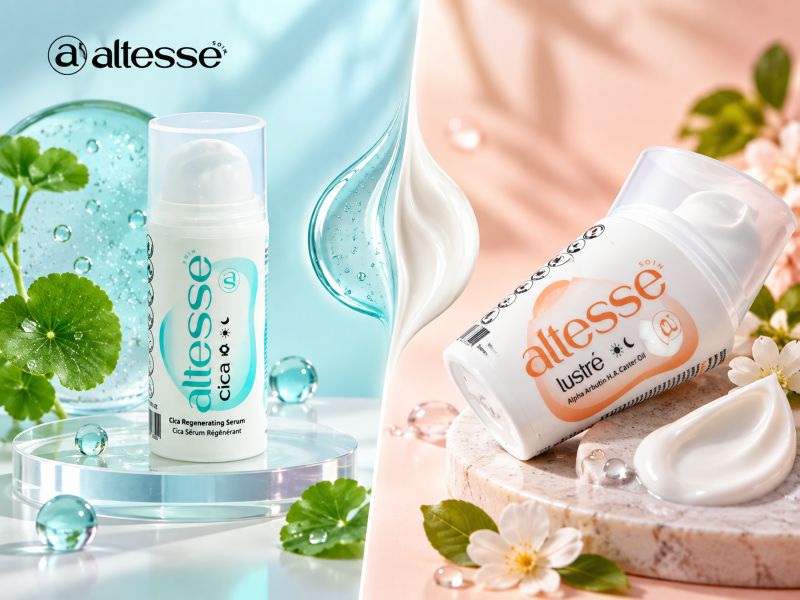
Cica Repairing Gel Cream 50ml
The ideal choice for repairing a damaged, dry skin barrier, thanks to its reliance on Centella Asiatica extract, scientifically known for speeding up healing and strengthening skin's protective layer.
Key Ingredients & Benefits
-
Strengthens the outer skin layer and reduces water loss through it
-
Non-greasy texture that absorbs quickly without a sticky film
-
Calms redness that comes with a weakened protective barrier
-
Suits all skin types, including oily and combination skin
When Will You See Results?
Instant comfort and calm from the first use. Within 3 to 4 weeks, you'll see real improvement in skin elasticity and reduced chronic redness caused by a weakened barrier.
How to Use
-
Apply after your serum in a pea-sized amount
-
Massage in upward, circular motions morning and evening
Ideal for anyone dealing with irritation after sun exposure or exfoliating treatments, since it speeds up the repair process.
Start repairing your dry skin barrier today with Cica Repairing Gel Cream 50ml.
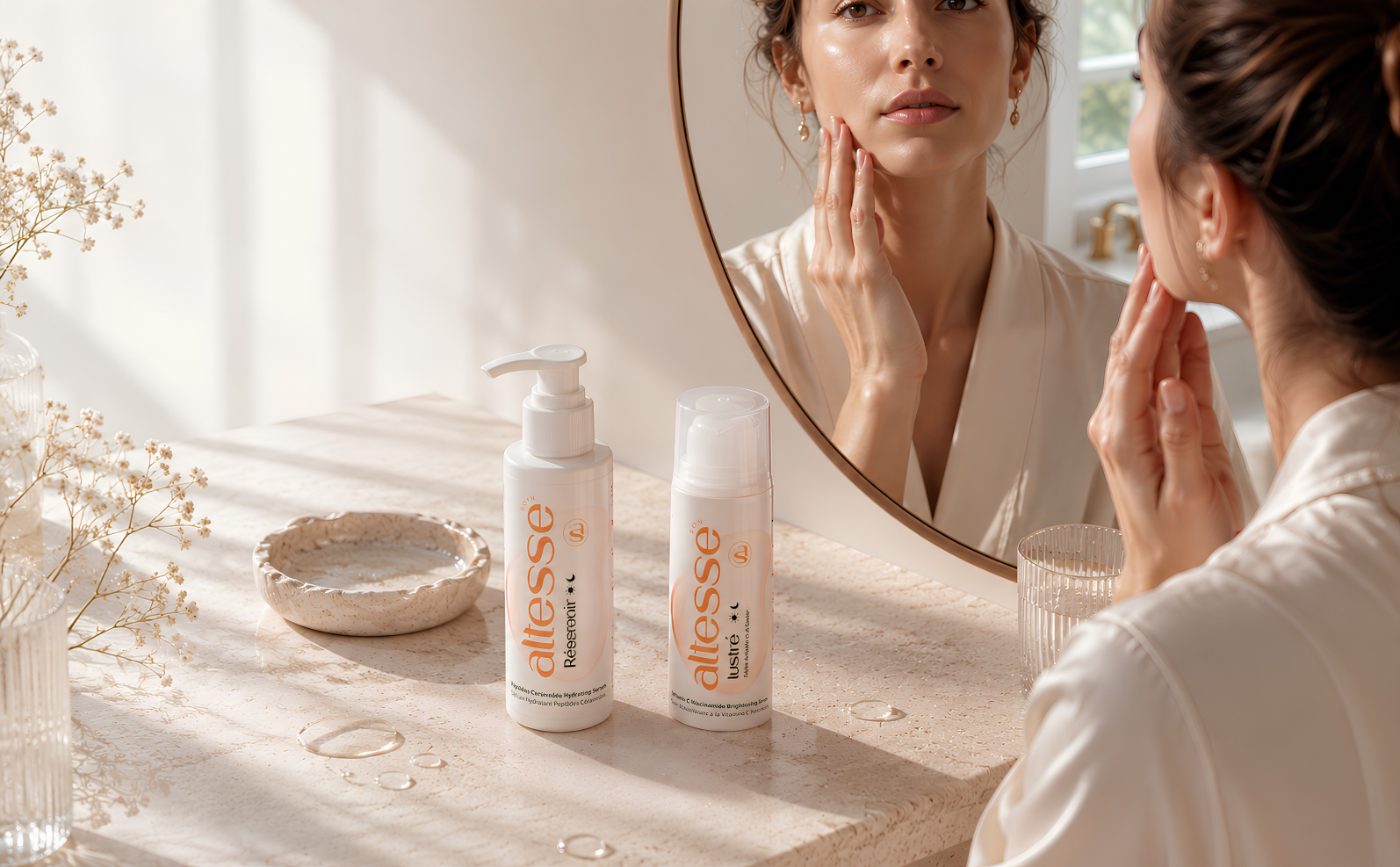
Rèservoir Peptides Ceramides Hydrating Gel Cream 50ml
A complementary choice for anyone who needs repair paired with deep hydration, thanks to its triple ceramide complex specifically built to rebuild the protective barrier.
Key Ingredients & Benefits
-
Advanced triple ceramide that rebuilds skin's protective barrier
-
Sodium hyaluronate draws in water and prevents recurring dryness
-
Pure glycerin that supports long-term hydration
-
Advanced peptides that stimulate cell renewal
When Will You See Results?
Instant hydration and reduced tightness from the first use. Within two weeks, skin elasticity improves noticeably.
How to Use
-
Use morning and evening on clean, slightly damp skin
Ideal for anyone dealing with chronic dryness that repeatedly weakens their protective barrier.
Repair your skin barrier and hydrate it in one step with Rèservoir Peptides Ceramides Hydrating Gel Cream 50ml.
FAQ: Best Cream for Dry Skin Barrier Repair
What's the best cream for dry skin barrier repair?
The best cream is one that suits your skin's needs and contains hydrating, barrier-supporting ingredients like ceramides, glycerin, and hyaluronic acid, while also accounting for your skin's tolerance.
How do I know my skin barrier is damaged?
Signs can include severe dryness, roughness, a feeling of tightness, flaking, or increased sensitivity and irritation.
Can a barrier repair cream be used daily?
Yes, many moisturizers can be used daily, especially when dryness is present, following the product's instructions.
Is a barrier repair cream suitable for sensitive skin?
It can be suitable, especially if the formula is gentle and free from fragrance and ingredients that trigger irritation for your skin.
Do ceramides help repair the skin barrier?
Yes, evidence suggests that ceramide-containing products can support skin hydration and barrier function.
Can hyaluronic acid be used with a barrier repair cream?
Yes, it can typically be combined with the cream to support hydration, especially within a simple, balanced routine.
Does hot water harm the skin barrier?
Hot water can increase dryness, which is why the American Academy of Dermatology recommends using lukewarm water and shortening shower or face-washing time.
How long does the skin barrier take to improve?
It varies depending on the cause and severity of the damage. The feeling of dryness may improve quickly, while restoring full balance needs consistent use and addressing the underlying causes.
Can a barrier cream be used with acne treatments?
A moisturizer can be part of the routine for some acne treatments, since these treatments can cause dryness and irritation, but the right formula depends on the treatment and your skin type.
Are creams better than lotions for dry skin?
Creams and ointments are generally more effective at hydrating dry skin than lotions, especially with severe dryness.
Does fragrance harm the skin barrier?
Fragrance can cause irritation for some people, and the American Academy of Dermatology recommends that dry or sensitive skin choose fragrance-free products.
Talk to Our Skincare Experts
If you're looking for a cream for dry skin barrier repair that helps hydrate your skin, support its natural barrier, and calm dryness within a complete routine, you can reach out to the Altesse Soin team to learn about the products suited to your skin's daily needs.
WhatsApp: https://wa.me/201001143374
Email: info@altessesoin.com
Phone: +2 010 0114 3374