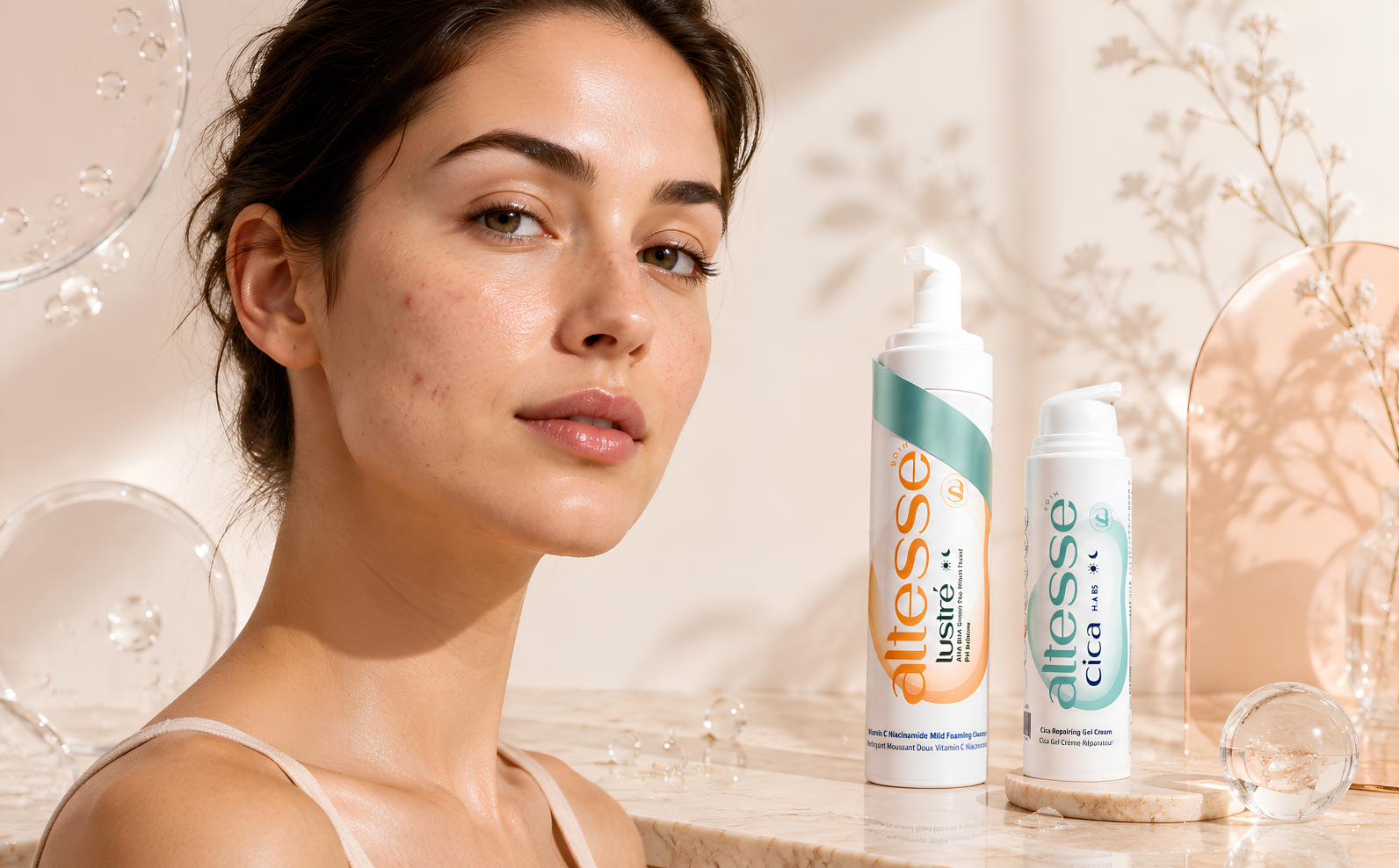
Breakouts tend to show up at the worst possible moments, and that frustration can push you toward trying product after product with no results — or worse, more irritation. But a skincare routine to get rid of acne doesn't need to be complicated. It needs thoughtful steps, the right ingredients, and consistency. In this guide, you'll learn how to build the right routine for clearer, healthier skin, and when it's time to see a dermatologist instead.
The best routine for getting rid of acne is a gentle cleanse twice a day, followed by a suitable treatment — such as salicylic acid, benzoyl peroxide, or a topical retinoid depending on your skin — plus a non-comedogenic moisturizer and daily sunscreen. Results typically appear gradually over 8 to 12 weeks of consistent use.
What Is a Skincare Routine to Get Rid of Acne?

A skincare routine to get rid of acne is a consistent set of daily steps aimed at reducing clogged pores, inflammation, and excess oil — without weakening the skin barrier.
Acne isn't caused by dirty skin alone. It's usually linked to increased oil production, dead skin cell buildup inside pores, the growth of acne-related bacteria, and skin inflammation. That's why harsh washing or switching several products in one week isn't a real solution, and can actually increase dryness and redness.
Think of skin like a busy road: when oil and dead cells build up inside the pores, the road gets blocked, and whiteheads, blackheads, or inflamed breakouts appear. The routine's job isn't to dry out your face completely — it's to gradually clear that congestion.
Medical guidance supports using a gentle, non-alkaline cleanser twice daily for acne-prone skin, while avoiding oily or pore-clogging formulas in moisturizers and sunscreens.
Why You Need a Consistent Skincare Routine
A simple routine works because it treats the recurring causes of acne instead of chasing every individual pimple. Consistency matters more than the number of products you use.
-
Reduces clogged pores: Suitable chemical exfoliants like salicylic acid help clear pores from within and ease blackheads and whiteheads.
-
Calms inflammation: Benzoyl peroxide and certain topical treatments reduce factors linked to acne inflammation.
-
Regulates oil production: Lightweight, non-comedogenic products reduce heavy buildup on oily skin.
-
Protects the skin barrier: The right moisturizer eases the tightness and flaking that can come with acne treatments.
-
Reduces lingering marks: Not picking at breakouts and using daily sunscreen both help limit post-acne dark spots.
-
Improves consistency: A complete, clear routine is easier to stick with than randomly jumping between products.
-
Helps you track your skin's response: A consistent routine makes it easier to identify what works for your skin and what triggers irritation.
Effective acne treatments take time. Guidelines recommend reviewing your response to an initial treatment after around 12 weeks, not after just a few days.
Golden Tips for Acne-Prone Skin
A few simple daily habits can make your skincare routine more effective, help keep skin balanced, and reduce factors that contribute to breakouts.
-
Keep it simple. Build your daily care around cleansing, moisturizing, and sunscreen.
-
Cleanse gently. Avoid over-washing and scrubbing to limit dryness and irritation.
-
Don't pick at breakouts. This reduces the chance of inflammation, scarring, and dark marks.
-
Choose suitable products. Stick to gentle, non-comedogenic formulas.
-
Moisturize your skin. Even oily skin needs appropriate hydration.
-
Use sunscreen. It helps protect skin and reduce the visibility of dark marks.
-
Be patient. Acne treatments need time, so don't keep switching your routine.
Remember that an effective routine doesn't come from using more products — it comes from choosing what actually suits your skin and sticking with it consistently for more balanced, clearer skin.
Why the Right Routine Helps Improve Facial Acne
The right routine helps reduce the factors that can worsen acne, such as oil buildup, irritation, dryness, and clogged pores.
Key benefits of a simple, effective routine:
-
Gentle cleansing: Removes oil, sweat, and impurities without stripping skin's natural hydration.
-
Barrier support: Proper hydration reduces dryness and irritation, especially when using acne treatments that can be drying.
-
Reduced pore clogging: Choosing suitable products for acne-prone skin helps lower the chance of blocked pores.
-
Fewer lasting marks: Sun protection matters, since UV exposure can make dark marks more noticeable.
-
Better treatment tolerance: Well-hydrated, calm skin makes it easier to stick with an acne treatment plan.
-
Less picking at breakouts: Clear routine steps help you avoid pressing on or forcing out pimples.
The American Academy of Dermatology confirms that moisturizer can be an important part of an acne skincare routine, especially when using treatments like salicylic acid, benzoyl peroxide, or retinoids that can be drying.
Who Is This Routine For?
This core routine suits most people who want to organize their care for acne-prone skin, with adjustments based on skin type and how severe the breakouts are.
-
Oily skin: Needs gentle cleansing and products that won't increase oiliness or clog pores.
-
Combination skin: Can focus cleansing on oilier areas while keeping drier zones hydrated.
-
Blackhead-prone skin: May benefit from a suitable exfoliating ingredient like salicylic acid, based on tolerance.
-
Skin with scattered breakouts: Suits a simple daily routine with tracking over time rather than constant product switching.
-
Sensitive, acne-prone skin: Needs gentler care with fewer irritating ingredients and no combining several actives at once without guidance.
-
Skin with acne marks: Should focus on preventing new breakouts and sun protection rather than aggressive exfoliation alone.
Deep, painful acne, or acne that leaves scars, may need a medical evaluation rather than relying on at-home care alone.
How to Choose the Right Products for Your Acne Routine
Choosing the right products starts with understanding your skin's needs — not picking the most popular product or piling on as many ingredients as possible.
1. Choose a gentle cleanser
A harsh cleanser or over-washing can increase irritation. Guidelines recommend a gentle cleanser twice daily, avoiding scrubbing and abrasive tools.
2. Don't skip moisturizer
Having oily skin doesn't mean you don't need a moisturizer. Dryness from certain acne treatments can actually increase irritation, which is why a suitable moisturizer is an important part of the routine.
3. Look for products suited to acne-prone skin
When choosing moisturizers, sunscreen, and makeup, look for products labeled non-comedogenic that won't clog pores.
4. Don't combine several actives at once
Adding more than one strong exfoliant or treatment at the same time can trigger irritation that makes acne harder to manage.
5. Watch how your skin responds
If you notice persistent burning, severe redness, or noticeable dryness after a new product, that's a sign to stop, reassess how you're using it, and consider seeing a dermatologist.
How to Apply an Acne Skincare Routine Daily
You can build your daily routine with clear steps instead of turning skincare into a complicated process.
-
Wash your face. Use a gentle cleanser with lukewarm water, working it in with your fingertips without scrubbing.
-
Pat skin dry. Dry your face by patting with a clean towel instead of rubbing.
-
Treat when needed. If your dermatologist prescribed an acne treatment, use it exactly as directed.
-
Serum (optional). A suitable serum can be added if it doesn't irritate skin or conflict with your treatment.
-
Moisturize. Apply a moisturizer suited to acne-prone skin to help maintain balance.
-
Sunscreen in the morning. Use a broad-spectrum sunscreen suited to acne-prone skin whenever you go out.
-
Remove makeup at night. Never sleep in makeup, even products marketed for acne-prone skin.
-
Stay consistent. Don't switch your routine every few days chasing faster results.
💡 Expert tip: If you're using a medical acne treatment, keep the rest of your routine simple to avoid increasing the chance of irritation.
⚠️ Caution: Don't squeeze breakouts or try to extract them yourself — repeated picking can increase the risk of scarring and dark marks.
Which Ingredients Can Be Combined in an Acne Routine?

Some skincare ingredients can be combined, but choosing the right combination depends on your skin type and the treatments you're already using.
Usually works well in a basic routine:
-
Gentle cleanser + moisturizer: A solid base for keeping skin clean and hydrated.
-
Moisturizer + sunscreen: Together, they support and protect skin from external factors.
-
Cica ingredients + moisturizer: Can be a good option when the goal is supporting skin comfort and the skin barrier.
Use with caution:
-
Salicylic acid: Commonly used for acne-prone skin, but can cause dryness or irritation with overuse.
-
Exfoliating acids: It's best not to combine several exfoliants in one routine without knowing your skin's tolerance.
-
Retinoids: A topical treatment recommended in medical acne guidelines, but should be used according to instructions suited to your case.
Best avoided:
-
Harsh, gritty exfoliants
-
Repeated rubbing or scrubbing
-
Products that cause noticeable irritation
-
Combining too many active ingredients without a clear plan
-
Heavy or oily products if they clog your pores
The goal isn't gathering the highest number of ingredients — it's building a complete routine your skin can actually sustain without being overwhelmed.
Why Choose Altesse Soin Products for Acne-Prone Skin
Choosing the right products for acne-prone skin helps you build a simple, effective routine focused on cleansing, hydration, and barrier support — without overloading skin with too many products.
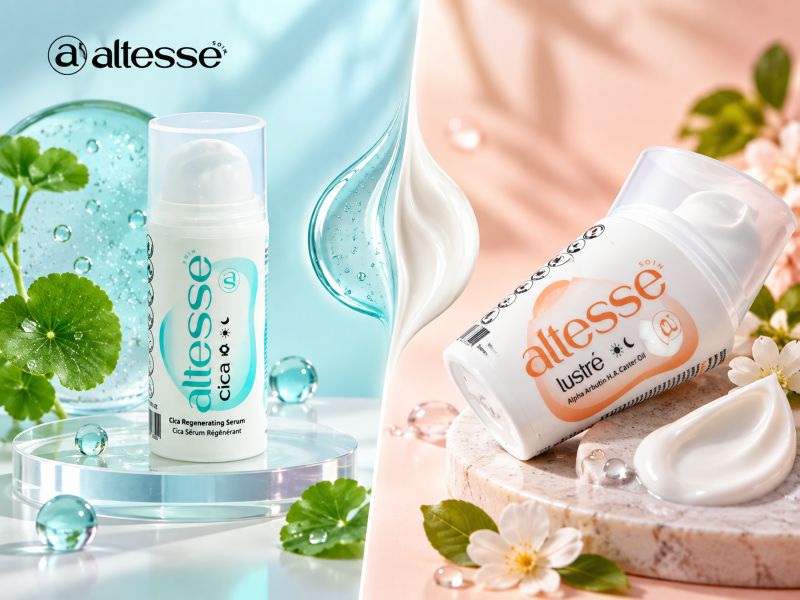
Altesse Soin's Cica line can be worked into a daily routine based on your skin's needs:
-
Cica Mild Foaming Cleanser: Gently cleanses skin and removes oil and impurities, with ingredients suited to caring for acne-prone skin.
-
Cica Regenerating Serum: Helps hydrate skin and support its barrier, especially useful when skin needs calming care.
-
Cica Repairing Gel Cream: Provides light hydration and helps soothe skin while maintaining comfort.
-
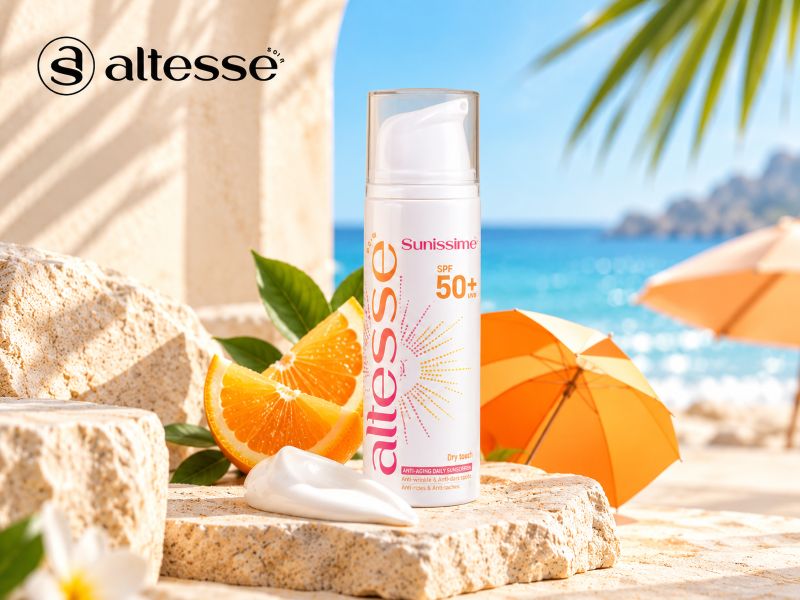
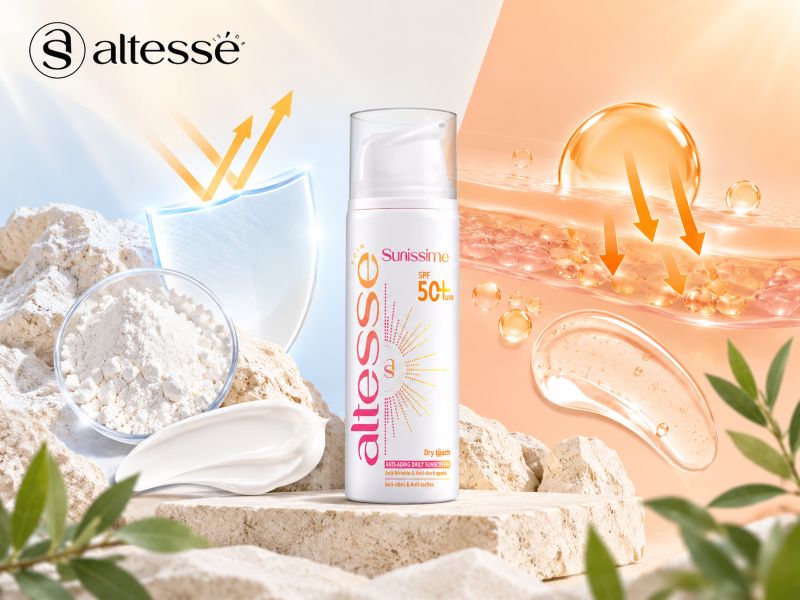
Sunissime SPF50+: Offers broad-spectrum sun protection — an important step in an acne routine to help maintain skin's appearance and reduce UV impact.
The best approach is choosing the products your skin actually needs and starting with a balanced routine you can stick to, instead of using too many products at once.
When Do Results From the Right Routine Appear?
Your skin needs time to respond — gradual improvement is the realistic benchmark, not breakouts disappearing overnight.
|
Timeframe |
What You Might Notice |
What to Do |
|
Week 1 |
Smoother texture, or mild dryness when starting treatment |
Reduce frequency if noticeable irritation appears |
|
Weeks 2–4 |
Gradual reduction in new breakouts for some people |
Stick with the routine; don't add more treatments |
|
Weeks 6–8 |
Noticeable improvement in inflammation and texture |
Watch for pigmentation and new breakouts |
|
Weeks 8–12 |
A more accurate evaluation of results |
See a specialist if things haven't improved or have worsened |
Dryness or irritation can occur when first starting benzoyl peroxide or retinoids, which is why guidelines recommend starting with spaced-out or short-duration application, then increasing gradually as your skin tolerates it.
Important: Staying consistent with your daily routine for about 12 weeks gives you a clearer picture of whether the treatment is working.
Common Mistakes That Prevent Clearer Skin

The most common mistake is treating breakouts aggressively instead of following thoughtful steps that protect your skin's health.
Mistake: Washing your face too often. Do this instead: Gentle cleansing twice daily is usually enough, since over-washing can weaken the skin barrier.
Mistake: Squeezing breakouts or constantly touching your face. Do this instead: Let the pimple heal on its own and use a suitable spot treatment instead of pressing on it.
Mistake: Starting several products at once. Do this instead: Introduce one product at a time so you can tell what suits your skin and what causes irritation.
Mistake: Stopping treatment after two weeks. Do this instead: Give the routine enough time — treatment evaluation is usually done after around 12 weeks.
Mistake: Skipping moisturizer for oily skin. Do this instead: Use a lightweight, non-comedogenic moisturizer.
Mistake: Not applying sunscreen. Do this instead: Make it a daily step, especially when using exfoliants or retinoids.
Mistake: Using an antibiotic alone for long periods. Do this instead: This should be part of a supervised medical plan, since guidelines don't recommend using topical or oral antibiotics as a stand-alone acne treatment.
Best Product Types for Acne
The best products aren't the most numerous — they're the ones that serve a clear function within a complete routine suited to your skin's needs.
|
Order |
Product Type |
Best For |
Its Role in the Routine |
|
1 |
Gentle, non-alkaline cleanser |
All acne-prone skin types |
Removes oil and impurities without stripping skin's balance |
|
2 |
Benzoyl peroxide |
Mild to moderate inflamed breakouts |
Helps reduce factors linked to acne inflammation |
|
3 |
Salicylic acid |
Blackheads, whiteheads, and oily skin |
Helps exfoliate pores and reduce clogging |
|
4 |
Topical retinoid |
Recurring breakouts and clogged pores |
Helps clear pores and reduce inflammation; avoid during pregnancy without medical guidance |
|
5 |
Azelaic acid |
Those who need a balanced option or can't tolerate other treatments |
A topical treatment recommended in acne guidelines |
|
6 |
Non-comedogenic moisturizer |
Anyone using active treatments |
Maintains skin comfort and its ability to tolerate the routine |
|
7 |
Sunscreen suited to oily skin |
Everyone, every morning |
Protects against darkening of acne marks and sun exposure |
American Academy of Dermatology recommendations include topical treatments such as benzoyl peroxide, topical retinoids, salicylic acid, and azelaic acid, with a preference for thoughtfully combining different treatment mechanisms when needed.
Tip: Use your active treatment alongside a suitable moisturizer and sunscreen, since tolerance and consistency matter more than high concentration or product quantity.
How to Build a Complete Routine for Clearer Skin
A complete routine for acne-free skin balances cleansing, treatment, hydration, and protection — and should be adjusted based on how your skin responds, not fast-moving trends.
Morning:
-
Gentle cleanser suited to acne-prone skin
-
Lightweight, non-comedogenic moisturizer
-
Broad-spectrum sunscreen suited to oily or combination skin
Evening:
-
Gently remove makeup and sunscreen when needed
-
Gentle cleanser
-
One acne treatment: salicylic acid, benzoyl peroxide, or a topical retinoid
-
A moisturizer that supports the skin barrier
If your skin is sensitive, try the "sandwich" method: a thin layer of moisturizer, then your treatment, then another light layer of moisturizer. This can help reduce dryness for some people without turning the routine into something complicated.
Avoid changing your routine every time a new pimple appears. One breakout doesn't mean a product has failed — what matters more is tracking the number of new breakouts, inflammation severity, and overall skin comfort over several weeks.
Quick Facts About Acne
-
Acne can affect both teens and adults, and may leave marks or scars, especially in severe cases.
-
Gentle cleansing matters — a mild, non-alkaline cleanser twice daily is generally recommended.
-
Oily skin still needs moisturizer — dryness doesn't mean better results, so choose a suitable moisturizer.
-
Some treatments can cause irritation, like benzoyl peroxide and retinoids, so it's best to introduce them gradually.
-
Antibiotics aren't a stand-alone treatment — they're not recommended as the only acne treatment.
-
No routine guarantees breakouts disappear entirely, but consistent care and the right treatment help reduce their frequency and severity.
-
Deep breakouts need medical evaluation, especially if they're painful or starting to leave clear scars and marks.
Does Salicylic Acid Help With Acne?
Yes, salicylic acid is used in products for acne-prone skin and may help with:
-
Reducing clogged pores: By helping clear away oil and dead skin cell buildup.
-
Improving skin's appearance: Especially when blackheads and whiteheads are present.
-
Supporting a daily routine: Can be gradually introduced based on your skin's tolerance.
-
Reducing irritation: It's best not to overuse it, since too much can cause dryness or sensitivity.
The right concentration and application method still depend on your skin's condition and the other products in your routine.
Common Myths About Getting Rid of Acne
"Breakouts will disappear if I wash my face more."
Not true. Over-washing can cause dryness and irritation — gentle cleansing within a suitable routine is enough.
"Oily skin doesn't need a moisturizer."
Not true. Even oily skin needs appropriate hydration, especially when using treatments that can be drying.
"Squeezing a pimple makes it go away faster."
Not true. Picking at breakouts can increase inflammation and raise the chance of dark marks and scarring.
"Strong exfoliation removes breakouts."
Not necessarily. Harsh scrubbing and abrasive exfoliants can irritate skin instead of improving its appearance.
"More products mean better results."
Not true. Too many products can overwhelm skin, while a simple, consistent routine tends to work better.
"Sun exposure dries out and treats breakouts."
Not accurate. Excessive sun exposure can damage skin and make dark marks more noticeable.
When to See a Doctor Immediately
See a dermatologist promptly if breakouts are deep, painful, or leaving scars — early treatment reduces the chance of long-term marks.
-
Painful nodules or cysts under the skin
-
Rapidly spreading acne or severe inflammation on the face, back, or chest
-
Deep scarring or increasingly bothersome pigmentation
-
No improvement in acne after 8 to 12 weeks of a suitable, consistent routine and treatment plan
-
Acne affecting your confidence, mood, or daily relationships
-
Severe irritation, swelling, painful peeling, or signs of sensitivity after a treatment product
-
Pregnancy or planning pregnancy while using or considering a topical retinoid or medical treatment
Guidance confirms that acne can be linked to lasting psychological effects and permanent scarring, and that the severity and personal impact of a case are factors in deciding whether specialized care is needed.
FAQ: Skincare Routine to Get Rid of Acne
Can acne be gotten rid of permanently?
Acne can be significantly controlled and its frequency reduced, but outcomes vary based on hormones, skin type, and severity. Many people need an ongoing preventive routine even after improvement.
What's the best daily routine for oily, acne-prone skin?
Morning: gentle cleanser, lightweight moisturizer, sunscreen. Evening: cleanser, one suitable treatment such as salicylic acid, benzoyl peroxide, or a topical retinoid, then moisturizer.
Is salicylic acid good for facial acne?
Salicylic acid can suit oily skin and blackheads or whiteheads because it helps reduce clogged pores. Start gradually if your skin is sensitive.
Does benzoyl peroxide get rid of acne?
Benzoyl peroxide is one of the recommended topical treatments for acne and can help with inflamed breakouts. It may cause dryness or fade fabric color, so introduce it gradually.
When do results from an acne routine appear?
You may notice early improvement within a few weeks, but a more realistic evaluation comes after about 8 to 12 weeks of consistent use.
Do I need a moisturizer if my skin is oily?
Yes. Choose a lightweight, oil-free, non-comedogenic moisturizer, especially when using acne treatments that can be drying.
Can salicylic acid and retinol be used together?
This can be done with caution, but it's better to start by alternating them on different nights to reduce the chance of irritation. If clear sensitivity appears, cut back and check with a specialist.
Should I stop treatment if new breakouts appear?
Not necessarily. Some breakouts in the first few weeks don't mean the routine has failed — but you should stop and seek advice if there's severe irritation, swelling, or unusual pain.
A skincare routine to get rid of acne doesn't need to be complicated or expensive — it needs gentle, consistent steps: cleanse, treat, moisturize, and protect. Give your skin the time it needs, avoid picking at breakouts, and stay consistent for at least 8 to 12 weeks before judging your results.
Contact Altesse Soin
If you're looking for skincare products to help you build a complete routine for acne-prone skin that supports cleansing, hydration, and skin balance, you can reach out to the Altesse Soin team to find the right products for your skin's needs.
-
WhatsApp: https://wa.me/201001143374
-
Email: info@altessesoin.com
-
Phone: +2 010 0114 3374
Medical references consulted for accuracy: American Academy of Dermatology guidance on gentle cleansing, moisturizer use, and topical acne treatments including benzoyl peroxide, salicylic acid, azelaic acid, and topical retinoids.