Is your skin telling you a story you're not listening to? Itching, redness, and severe dryness aren't just passing annoyances — they can be a genuine cry for help. Ignoring these signals only makes the damage worse day by day. In this guide, you'll learn the signs of a damaged skin barrier from the ground up, and how to confidently restore its natural balance.
Signs of a damaged skin barrier typically show up as persistent dryness that doesn't go away with moisturizing, recurring redness and inflammation, a stinging or burning feeling when using products that used to suit you, and a rough, uneven texture on the skin's surface.
When your natural barrier loses its ability to hold onto moisture, skin becomes more prone to dryness, irritation, and infection — which means the protective layer needs immediate support and a gradual restoration through a gentle routine and repairing ingredients.

What Are the Signs of a Damaged Skin Barrier, and How Do You Know Yours Is Affected?
Signs of a damaged skin barrier usually show up as persistent dryness, roughness, flaking, tightness, or increased irritation and sensitivity.
The skin barrier is the outermost layer of skin, and it plays an essential role in keeping water inside skin and protecting it from outside factors. Picture it as a protective layer that separates the surrounding environment from the deeper layers of skin.
When this barrier works normally, it helps
-
Retain moisture within the skin
-
Protect skin from certain outside irritants
-
Maintain skin's texture and elasticity
-
Support skin's natural balance
When it's damaged, skin can lose more water and become more affected by environmental factors and skincare products. Symptoms may start out mild and become more obvious if the cause continues.
It's also important to distinguish barrier damage from another skin issue — not every instance of dryness or redness necessarily means the barrier is damaged. But several signs appearing together, especially after changing your skincare routine or over-exfoliating and over-cleansing, may point to a need to simplify your routine and focus on hydration.
Symptoms of a Weakened Skin Barrier: The Complete List
Symptoms of a weakened skin barrier include seven main signs that appear gradually and become more obvious the longer exposure to irritating factors continues. Each symptom reflects a specific stage of the protective layer's decline.
-
Persistent dryness: doesn't go away no matter how much moisturizer you apply, because the barrier has lost its natural ability to retain moisture within its layers
-
Recurring redness and inflammation: appears with no obvious trigger, resulting from skin's defensive response to irritants getting in
-
Sudden sensitivity to skincare products: products you've used for years with no issues suddenly start causing stinging or burning
-
A rough, uneven texture: the skin's surface starts feeling like sandpaper instead of its natural softness
-
Fine flaking or small peeling patches: especially around the nose and mouth, a sign that cells aren't renewing normally
-
Breakouts in unusual places: a weakened barrier makes skin more prone to bacteria and clogging
-
Dullness and loss of natural radiance: the result of dead cell buildup and slowed cell renewal
The science backs up these observations. According to reliable dermatological sources, water loss through the skin increases noticeably when the outer stratum corneum — the layer responsible for locking in moisture — is damaged. This explains why so many people feel like their skin is thirsty despite constant moisturizing.
Who Is Most Prone to Skin Barrier Damage?
How prone someone is to skin barrier damage varies based on their lifestyle, skin type, and daily care habits. Knowing your category helps you quickly determine the right course of action.
-
Anyone following an intensive or frequent weekly exfoliation routine
-
Anyone living in a dry, extremely hot, or extremely cold climate
-
Anyone whose skin gets sun exposure without adequate protection
-
Anyone frequently using products containing alcohol or strong fragrances
-
Anyone with chronic skin conditions like eczema or rosacea
-
Anyone who over-washes their face more than twice a day
-
Anyone who recently started using active ingredients like retinol or acids without easing into them gradually
How Do You Know It's Time to Repair Your Skin?
Rely on four main criteria to determine how much your skin needs repair: symptom severity, duration, response to regular moisturizers, and the presence of ongoing risk factors.
Criterion 1: symptom severity
If itching or redness is mild and occasional, a simple routine adjustment may be enough. But if symptoms are severe and bothersome daily, you need an intensive repair plan.
Criterion 2: duration
Symptoms that persist for more than two weeks despite your usual care point to genuine barrier damage, not just passing seasonal dryness.
Criterion 3: response to moisturizers
If you notice that moisturizing creams aren't easing dryness like they used to, that's a strong sign your protective layer needs deeper support than surface hydration alone.
Criterion 4: ongoing risk factors
If you're still using harsh products or exfoliating regularly despite symptoms showing up, the damage will keep getting worse unless you stop these habits immediately.
Practical tip: watch your skin for a full week without adding new products, and notice whether symptoms improve on their own or get worse.
What Causes Skin Barrier Damage?
The skin barrier can be damaged by over-cleansing or over-exfoliating, using irritating products, and constant exposure to harsh environmental conditions.
Key factors that can affect the skin barrier
-
Over-washing your skin: excessive, repeated cleansing can increase skin dryness
-
Very hot water: can increase skin dryness, especially with repeated exposure
-
Over-exfoliating: using exfoliants too frequently can cause irritation instead of improving skin texture
-
Irritating ingredients: some active products can cause dryness or irritation for certain people
-
Dry or cold weather: lower humidity can increase water loss from skin's surface
-
Sun exposure: UV rays can contribute to skin damage and affect its appearance and function
-
Neglecting hydration: skipping a suitable moisturizer can make skin more prone to dryness
A sudden jump into a routine with too many products can also make it hard to identify which one caused the problem. So if damage symptoms started after introducing a new product, it's more useful to review your routine steps than to randomly add more products.
Do Signs of a Damaged Skin Barrier Differ from Normal Dryness?
Dryness can be a sign of a weakened skin barrier, but the presence of dryness alone doesn't always mean the barrier is damaged.
|
Normal or Temporary Dryness |
Signs of a Weakened Skin Barrier |
|
May appear due to weather or insufficient hydration |
May persist despite regular moisturizing |
|
Usually improves with a suitable moisturizer |
May come with irritation or sensitivity |
|
Skin texture is dry or rough |
Can involve tightness, flaking, and burning |
|
No necessary product sensitivity |
Skin may become more sensitive to certain products |
|
Can be short-lived |
May persist until the cause is addressed |
So barrier damage shouldn't be diagnosed based on a single symptom alone. If skin is dry due to a temporary weather change, it may improve easily with proper hydration and care. But persistent dryness accompanied by redness, burning, or sensitivity may need more attention and an evaluation of the underlying cause, especially if it doesn't improve after simplifying your routine.
Practical Steps to Restore Your Skin Barrier, Step by Step
Restoring your skin barrier is a gradual process based on simplifying your routine and supporting skin with repairing ingredients instead of harsh or overly active ones.
-
Pause all active ingredients temporarily: stop using retinol, strong acids, and facial exfoliants for at least two weeks until skin calms down
-
Simplify your daily routine: stick to a gentle, sulfate-free cleanser, a rich moisturizer, and sunscreen, with no other additions for now
-
Choose a cleanser that doesn't strip natural oils: look for cleansers with a balanced pH close to skin's natural pH
-
Hydrate with repairing ingredients: use creams containing ceramides, hyaluronic acid, and cholesterol, since they mimic the barrier's natural composition
-
Reduce how often you wash: cleanse your face just once or twice a day and avoid very hot water
-
Protect your skin from the sun daily: use a suitable SPF sunscreen even on cloudy days
-
Give your skin enough time to recover: don't rush results — the barrier needs weeks to fully restore its function
-
Monitor your skin's response weekly: track any improvement or setback to adjust your routine accordingly
Expert tip: follow the "less is more" rule during the repair period — every product you add before skin stabilizes can delay the healing process.
Warning: avoid trying multiple new products at the same time, since that makes it much harder to identify the cause of any irritation that shows up later.
Safe Combinations of Ingredients During the Repair Period
Some ingredients support skin repair when combined together, while others can increase damage if used during this period without proper spacing.
Safe and effective with
-
Ceramides and hyaluronic acid: work together to lock in moisture within skin's layers and strengthen the barrier's structure — see what hyaluronic acid benefits it brings to a repair-focused routine
-
Low-concentration niacinamide: calms redness and supports natural ceramide production without adding irritation
-
Natural butters like shea butter: lock in moisture and ease persistent dryness
Use with caution
-
High-concentration vitamin C: best postponed until skin fully calms down, then introduced gradually at a lower concentration
-
Essential oils: can be helpful for some people, but may irritate sensitive skin, so test them on a small area first
Avoid
-
Strong acids like retinol or high-concentration AHA: increase damage to the natural layer and delay healing
-
Alcohol and strong fragrances: draw out moisture and increase persistent dryness instead of treating it
What Makes Altesse Soin Products a Trusted Choice for Skincare?
Choosing skincare products should start with skin's actual needs and the formula itself, not just marketing promises.
When looking for products to support a skin repair routine, it's important to focus on
-
Hydration support: choosing products that help maintain skin's moisture
-
Barrier care: prioritizing formulas suited to the skin barrier's needs
-
The right formulas: choosing the product based on skin type and degree of dryness or sensitivity
-
Easy product integration: building a routine you can stick with daily without complication
-
Complete care: combining hydration, gentle cleansing, and protection from outside factors
Altesse Soin offers care options you can build into your daily routine based on your skin's needs, with the important reminder to choose the right product for each situation rather than using any product just because it's labeled as hydrating.
What's the Relationship Between a Healthy Skin Barrier and Hydration?
Well-hydrated skin usually looks softer and more comfortable, while a weakened barrier can leave skin dry, rough, and less radiant.
When skin retains water better, its surface becomes more elastic and soft, which is why hydration is an essential step in maintaining skin's appearance. But hydration doesn't mean using just any cream randomly. There's a difference between adding water to skin and reducing how much it loses, which is why many formulas combine:
-
Water-attracting ingredients like glycerin
-
Emollient ingredients that help improve skin texture
-
Occlusive ingredients that reduce water loss
-
Barrier-supporting ingredients like ceramides
So improving skin's appearance doesn't just depend on adding more products — it depends on understanding what skin actually needs. If your skin is persistently dry, choosing a suitable moisturizer and using it consistently may be far more useful than switching products every few days. Our full guide on the best cream for dry skin barrier repair goes deeper into how to choose the right formula for this exact stage.
When Do Results Show Up? A Realistic Timeline for Skin Barrier Recovery
How long it takes to restore your skin barrier varies depending on the severity of the damage, its cause, and how consistently you follow a gentle routine — so there's no single timeline that fits everyone, but improvement usually shows up gradually as irritants are reduced and hydration is supported.
During the first days and weeks
-
The feeling of stinging and burning may gradually decrease
-
Skin starts feeling more comfortable, especially once irritating products are stopped
-
Dryness and tightness may improve with regular use of a suitable moisturizer
Over several weeks
-
Flaking and rough texture gradually decrease
-
Skin's ability to retain moisture improves
-
Redness and irritation may become less noticeable if the damage-causing factors are avoided
With continued care
-
The skin barrier becomes more stable and better able to resist dryness and irritation
-
Some active ingredients can gradually be reintroduced once skin has stabilized, not the moment the first signs of damage disappear
Important: consistency matters more than how quickly you switch products. Following a simple, steady routine helps give the skin barrier a genuine chance to recover without adding new irritation.

Common Mistakes That Delay Skin Repair
Some daily skincare habits might seem harmless but can worsen signs of a weakened barrier and delay improvement if they continue for too long.
-
Mistake 1: over-exfoliating to speed up improvement — Fix: pause exfoliants when clear signs of damage appear, since over-exfoliating can increase dryness and irritation and weaken the barrier
-
Mistake 2: washing your face with very hot water — Fix: use lukewarm water and shorten face-washing time, since high heat and over-cleansing can increase surface dryness
-
Mistake 3: trying too many products at the same time — Fix: introduce new products gradually so you can identify what suits your skin or causes irritation
-
Mistake 4: skipping hydration after washing your face — Fix: apply moisturizer after cleansing and gently drying your skin, since regular hydration helps reduce water loss and support the barrier's function
-
Mistake 5: rushing back to active ingredients — Fix: if skin is still experiencing burning, flaking, or irritation, don't rush to bring back exfoliants or retinoids — reintroduce them gradually once skin has stabilized
-
Mistake 6: using fragranced or harsh products on skin — Fix: choose gentle, fragrance-free products when sensitivity or irritation is present, especially during the repair period
Remember, the goal of skin barrier repair isn't adding more products — it's reducing irritating factors and giving skin a simple, stable routine.
Your Complete Daily Routine to Support the Skin Barrier
Building a consistent morning and evening routine is the foundation for maintaining a healthy skin barrier after the initial repair phase.
Morning
-
Wash your face with a gentle, sulfate-free cleanser using lukewarm water
-
Apply a serum containing repairing ingredients like ceramides
-
Finish your routine with a suitable sunscreen to protect skin from outside factors throughout the day
Evening
-
Remove makeup and dirt with a gentle cleanser, no harsh rubbing
-
Apply a rich moisturizer containing cholesterol and hyaluronic acid to boost repair overnight
Quick Facts About the Skin Barrier
Understanding how the skin barrier functions helps you know why dryness and irritation show up and how to deal with them more calmly before you change your routine.
-
The skin barrier isn't a separate layer: it's mainly tied to the stratum corneum, which helps reduce water loss and protect skin from outside factors
-
Barrier damage can increase water loss: when the barrier's function weakens, skin can become more prone to dryness, tightness, roughness, and irritation
-
Dryness isn't always just about drinking enough water: it can also be linked to harsh cleansers, over-exfoliating, exposure to dry environments, or certain topical treatments and ingredients
-
Oily skin can also experience barrier damage: having oily secretions doesn't necessarily mean the skin barrier is functioning ideally
-
Improvement takes time: how quickly the barrier recovers varies by cause and severity, so it's best not to judge a routine's success after just a few days
-
Simplicity may be best during irritation: temporarily reducing the number of products and active ingredients can help avoid further irritation and support skin's stability
Recognizing the signs of a damaged skin barrier early helps you adjust your routine before dryness and irritation turn into a persistent problem. And since your skin type plays a big role in how you should respond, it's worth knowing yours before making changes.
Golden Tips for Maintaining Your Skin Barrier
Following a few simple daily habits can help you protect your skin barrier and reduce the chances of damage and irritation showing up.
-
Simplify your routine: don't use a large number of products, especially when your skin is irritated or severely dry
-
Choose a gentle cleanser: avoid harsh or overly drying products and use one suited to your skin's nature
-
Moisturize consistently: apply moisturizer after cleansing your skin and repeat as needed to maintain hydration
-
Avoid hot water: lukewarm water is a better choice when washing your face, especially if your skin is dry or sensitive
-
Don't over-exfoliate: repeated exfoliation can increase irritation and affect the skin barrier's function
-
Use sunscreen: protecting skin from the sun is an important part of maintaining its health and reducing exposure to outside factors
-
Introduce new products gradually: don't add several products at the same time so you can tell how well your skin tolerates each one
-
Watch your skin's signals: if burning, irritation, or unusual dryness shows up, cut back on active ingredients and review your routine
It's always best to treat your skin barrier gently — healthy skin doesn't need a complicated routine as much as it needs consistent, suitable care.
Common Misconceptions About Skin Barrier Damage
Plenty of advice circulates about the skin barrier, but some of it can backfire, so it's worth distinguishing between care that supports skin and habits that add more pressure to it.
-
Misconception: more exfoliation always means softer skin. Truth: over-exfoliating can cause dryness and irritation and increase roughness instead of improving texture.
-
Misconception: oily skin doesn't need a moisturizer. Truth: oily skin also needs hydration, but it's best to choose a formula suited to its nature that doesn't add heaviness or clog pores.
-
Misconception: redness always means temporary sensitivity. Truth: redness can have multiple causes and may appear with irritation or a weakened skin barrier, so its cause can't be determined by color alone.
-
Misconception: natural products don't cause irritation. Truth: the word "natural" doesn't mean a product suits every skin type — some plant-based or fragranced ingredients can cause irritation for certain people.
-
Misconception: the barrier can be fixed quickly with a large set of products. Truth: adding more products isn't necessarily the faster path to improvement — a gentle, consistent routine may be better suited to damaged skin.
-
Misconception: dryness disappearing means the barrier is fully back to normal. Truth: one symptom improving doesn't necessarily mean the barrier's function has fully restored, especially if irritation or product sensitivity continues.
The most important rule is that skin repair depends on understanding the cause of the damage, reducing irritants, and consistently supporting the natural barrier — not searching for a quick fix.
When Should You See a Doctor Immediately?
See a dermatologist right away if signs of a damaged skin barrier persist for more than three weeks despite simplifying your routine, or if clear signs of infection appear.
See a dermatologist without delay in the following cases:
-
Fluid- or pus-filled blisters accompanied by severe pain
-
Rapidly spreading redness and swelling with noticeable warmth in the affected area
-
Fever or systemic symptoms accompanying the skin issue
-
Severe itching that's persistent enough to disrupt sleep or daily activities
-
Skin not responding to any repair routine for more than a full month
-
Suspicion of an underlying skin condition like eczema, rosacea, or contact dermatitis
These cases call for a precise medical evaluation and may need prescribed treatment rather than relying solely on at-home skincare products.
Best Products for Treating Signs of a Damaged Skin Barrier
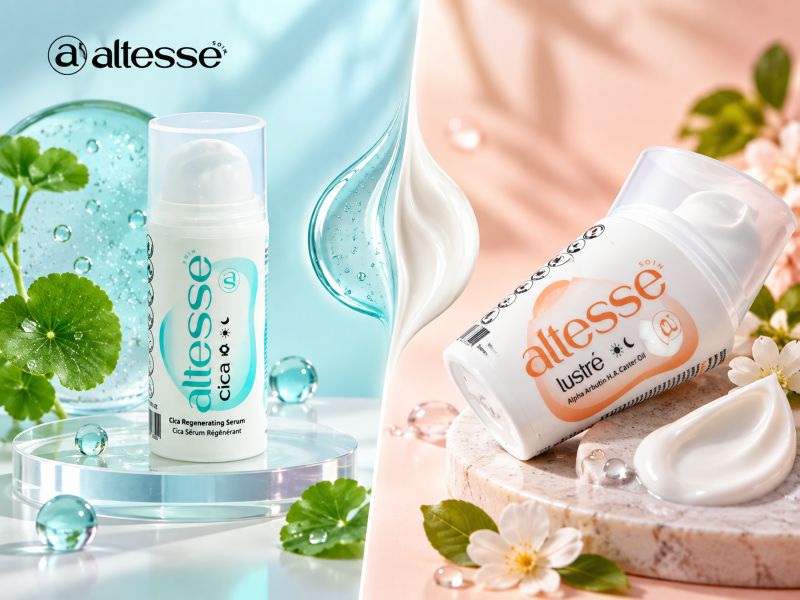
Cica Regenerating Serum 30ml
The direct solution for signs of a damaged skin barrier like redness and excessive sensitivity, with a formula that calms skin from the first use without adding further irritation.
Key Ingredients & Benefits
-
Centella Asiatica extract, anti-inflammatory and collagen-stimulating
-
Doesn't cause cumulative irritation like other strong active ingredients
-
Calms redness, heat, and itching from the first use
-
Lightweight texture suited even for very sensitive skin
When Will You See Results?
Instant calming from the first use. Within two weeks, real improvement begins in reducing chronic redness and boosting skin elasticity.
How to Use
-
Apply a small amount to clean, dry skin
-
Avoid harsh rubbing — a light patting motion is enough
The safest solution for anyone dealing with signs of barrier damage like persistent redness and product sensitivity.
Calm your skin and start repairing its barrier with Cica Regenerating Serum 30ml.
Cica Repairing Gel Cream 50ml
An essential second step for treating signs of barrier damage like chronic dryness and loss of elasticity, working to actually strengthen the outer skin layer.
Key Ingredients & Benefits
-
Strengthens the outer skin layer and reduces water loss
-
Non-greasy texture that absorbs quickly without a sticky film
-
Suits all skin types, including oily and combination skin
When Will You See Results?
Instant comfort from the first use. Within 3 to 4 weeks, real improvement in skin elasticity and reduced chronic redness.
How to Use
-
Apply after your serum in a pea-sized amount, morning and evening
Ideal for anyone dealing with signs of barrier damage caused by previously using harsh products.
Complete your skin's repair with Cica Repairing Gel Cream 50ml.
FAQ: Signs of a Damaged Skin Barrier
What are the first signs of a damaged skin barrier?
Common signs include dryness, tightness, roughness, and flaking, sometimes along with redness or increased sensitivity to certain products.
How do I know my skin barrier is damaged?
If you notice several symptoms together, like persistent dryness, irritation, burning, and roughness, especially after using strong products or over-exfoliating, your skin barrier may be weakened.
Does redness mean the skin barrier is damaged?
Not necessarily; redness has multiple causes, but it appearing alongside dryness, tightness, and sensitivity can be a sign of a weakened barrier.
Can severe dryness cause skin barrier damage?
Severe dryness can be linked to weakened barrier function, especially when it lasts a long time or comes with flaking and irritation.
Can the skin barrier be repaired at home?
Mild cases can be supported at home by reducing irritants, using a gentle cleanser and suitable moisturizer, and protecting skin from the sun, while ongoing cases need a medical evaluation.
How long does it take to repair the skin barrier?
There's no fixed timeline for everyone; some dryness symptoms may improve quickly, while skin may need several weeks of consistent care for the barrier to improve more significantly.
Does exfoliating harm the skin barrier?
Over-exfoliating can increase dryness and irritation, especially when the skin barrier is already weakened.
Can oily skin experience barrier damage?
Yes, producing oil doesn't mean the skin barrier can't be damaged, and over-cleansing or using harsh products can weaken it.
What are the best ingredients for skin barrier repair?
Ingredients used to support dry skin and the barrier include ceramides, glycerin, occlusive ingredients, and some hydrating ingredients like hyaluronic acid, chosen based on your skin's needs.
Should I use retinol if my skin barrier is damaged?
If skin is irritated or severely dry, it may be best to reduce or pause irritating active ingredients temporarily after consulting a specialist, then reintroduce them gradually once skin improves.
Can hyaluronic acid be used with a moisturizer?
Yes, hyaluronic acid can be used within a hydration routine, followed by a suitable moisturizer to help maintain skin's moisture.
If dryness and fine lines are showing up together with these signs, it's worth reading our dedicated guide to the best serum for dry skin and pairing it with a calming
routine — our guide on the best serum for irritated skin walks through exactly which ingredients help rather than provoke further reaction.
Talk to Our Skincare Experts
If you're noticing signs of a damaged skin barrier like persistent dryness, roughness, or irritation and want to support your skin's repair and restore its natural hydration within a complete routine, you can reach out to the Altesse Soin team to learn about the products suited to your skin's daily needs.
WhatsApp: https://wa.me/201001143374
Email: info@altessesoin.com
Phone: +2 010 0114 3374