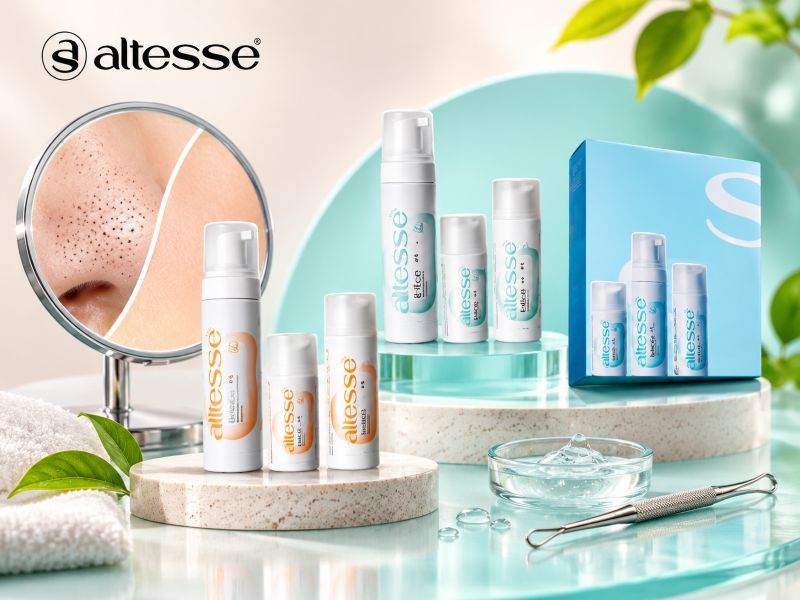
Stubborn blackheads, clogged pores, and breakouts that keep coming back can wear down your confidence and make skincare feel like guesswork. Salicylic acid is one of the most widely used ingredients for exactly these concerns, but it works best when you understand what it does, who it suits, and how to avoid drying out your skin. This guide covers all of it.
What Does Salicylic Acid Do for Your Face?
Salicylic acid is a beta hydroxy acid (BHA) that exfoliates the skin and helps clear clogged pores. Because it is oil-soluble, it can work inside pores to loosen dead skin cells and built-up oil, which helps reduce blackheads, whiteheads, and some mild breakouts. It can also improve skin texture over time. It can cause dryness and irritation, so start slowly and follow the product directions.
What Does Salicylic Acid Do, and How Does It Help Acne?
Salicylic acid helps exfoliate the skin's surface, clears out pores, and reduces blackheads, whiteheads, and some mild acne. You will find it in cleansers, toners, serums, and spot treatments.
Its most common uses on the face:
-
Blackheads: Helps reduce the blockage that leads to them.
-
Whiteheads: Helps remove the buildup of dead cells that can clog pore openings.
-
Oily skin: Helps improve the look of skin prone to congestion and excess oil.
-
Clogged pores: Supports clearing dead cells on the surface and inside pore openings.
-
Rough texture: May make skin feel smoother with regular use.
-
Mild acne: May reduce some breakouts, but it is not the only treatment and not right for every case.
How well it works depends on the formula, the concentration, and your skin. Follow the product's directions instead of using more to speed up results.
What Are the Benefits of Salicylic Acid for Oily Skin and Large Pores?
Its main benefits are clearer pores, less buildup of dead cells, and a smoother look, especially for oily and congestion-prone skin.
-
Helps clean out pores: Reduces the buildup of oil and dead cells inside pore openings.
-
Improves the look of oily skin: May reduce congestion and the shine linked to oil buildup, but it does not stop oil production entirely.
-
Reduces blackheads and whiteheads: One of the main ingredients used to help with these types of breakouts.
-
Exfoliates the surface: Removes dead cells and supports skin renewal.
-
Smooths texture: May lessen roughness caused by buildup and clogging.
-
Supports an acne routine: Can be part of a plan, depending on the type and severity of breakouts.
-
Makes pores look smaller: Pores can look less noticeable when congestion clears, but the acid does not permanently change inherited pore size.
It may also ease some redness, but it is not enough on its own for deep acne, and sensitive skin or severe breakouts may need a different treatment.
Who Should Use Salicylic Acid, and Which Skin Types Benefit?
It suits people with clogged pores, blackheads, and whiteheads, but the right product depends on your skin and how well it tolerates exfoliants.
It may help if you have:
-
Oily skin: To reduce buildup inside pores.
-
Blackhead-prone skin: To loosen congestion and improve the look of pores.
-
Whitehead-prone skin: To support removal of accumulated dead cells.
-
Uneven texture: To smooth roughness caused by buildup.
-
Mild acne: As part of a treatment routine.
-
Frequent congestion: If used correctly with a suitable product.
Who Needs to Be Careful?
-
Dry or sensitive skin: More likely to react with dryness, stinging, and peeling. Use cautiously and avoid it on cracked or irritated skin.
-
Deep, painful, or scarring acne: See a dermatologist rather than relying on over-the-counter products alone.
-
Pregnancy or breastfeeding: Ask your doctor before using salicylic acid products, since the right choice can depend on the product type and strength.
-
If you use prescription acne treatments: Ask your doctor or pharmacist before adding salicylic acid.
How to Choose a Salicylic Acid Product and the Right Strength

Choose by product type, strength, your skin type, and the rest of your routine. A higher strength doesn't always mean better results, and it can raise the risk of dryness and irritation.
|
Factor |
What to Consider |
|
Product type |
Rinse-off cleansers are gentler in contact time; leave-on serums, toners, and gels stay on the skin and may be stronger in effect |
|
Strength |
Many over-the-counter acne products use salicylic acid in the range of about 0.5% to 2%. Follow the label and ask a professional before using stronger products |
|
Skin type |
Dry and sensitive skin needs extra care to avoid irritation |
|
Other ingredients |
Check the formula so you don't combine several exfoliants by accident |
|
Directions |
Frequency varies by product, so follow the label |
If you already use acne treatments, ask your doctor or pharmacist before adding salicylic acid, especially if your skin is dry or irritated.
How to Use Salicylic Acid on Your Face Correctly
Start with a product made for the face, introduce it gradually, and watch how your skin reacts while following the label.
-
Cleanse: Use a gentle cleanser and lukewarm water, then pat dry.
-
Patch-test: Try a small amount on a limited area as directed and watch for irritation before using it more widely.
-
Start slowly: Use it as directed; sensitive skin may need less frequent use, as advised by a professional.
-
Avoid sensitive areas: Keep it away from the eyes, lips, and cracked or inflamed skin.
-
Moisturize: A suitable moisturizer reduces dryness and supports the skin barrier.
-
Use sunscreen: Apply broad-spectrum SPF 30 or higher every morning.
-
Watch your response: If you get intense burning, lasting redness, or heavy peeling, stop and seek medical advice.
Tip: Don't increase the amount or frequency if you don't see quick results; improvement can take weeks.
Warning: Don't use salicylic acid over large areas or in strengths not made for the face, and don't apply it to damaged skin without medical advice.
Salicylic Acid vs. Glycolic Acid vs. Lactic Acid: What's the Difference?
Each acid works differently and suits different goals. Salicylic acid is a BHA, while glycolic and lactic acid are alpha hydroxy acids (AHAs).
|
Comparison |
Salicylic Acid |
Glycolic Acid |
Lactic Acid |
|
Group |
Beta hydroxy acid (BHA) |
Alpha hydroxy acid (AHA) |
Alpha hydroxy acid (AHA) |
|
Common use |
Reducing clogged pores and blackheads |
Exfoliating the surface and improving texture |
Surface exfoliation; may help hydrate depending on the formula |
|
Who may benefit |
Oily and breakout-prone skin |
Some skin with roughness or uneven texture |
Some skin needing gentle surface exfoliation |
|
Main cautions |
Dryness and irritation |
Irritation and sun sensitivity |
Irritation and sun sensitivity |
No acid is best for every case; the right one depends on your goal, skin type, and tolerance. You don't need to combine acids to get good results, and doing so can cause irritation.

-
Start slowly: Use as directed and reduce frequency if dryness or irritation appears.
-
Choose the right formula: Match it to your skin type, and don't assume the highest strength is best.
-
Don't skip moisturizer: It helps maintain your skin barrier and reduce dryness.
-
Avoid over-exfoliating: Don't stack several exfoliants unless you know your skin can handle it.
-
Use sunscreen: Broad-spectrum SPF 30 or higher, reapplied as directed.
-
Patch-test first: Try a small area and watch for reactions.
-
Give it time: Results vary, so avoid overusing it just because you don't see fast improvement.
-
Stop if irritated: Persistent redness, severe burning, or swelling means stop and get advice.
Remember: The best routine isn't the most complicated; it's the one that suits your skin and that you can follow safely.
Which Altesse Soin Products Support a Salicylic Acid Routine?
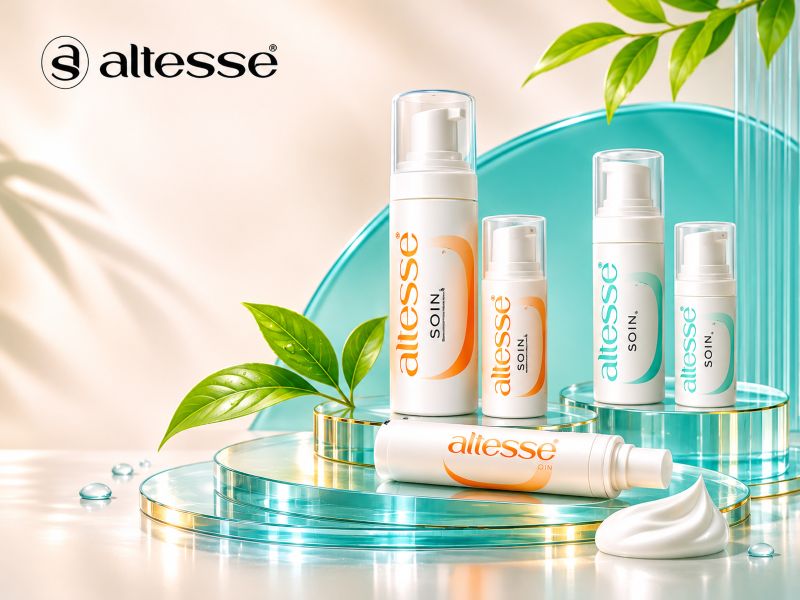
We haven't confirmed a salicylic acid product in the Altesse Soin range, so this section focuses on the supporting steps that make any exfoliating acid easier on your skin:
-
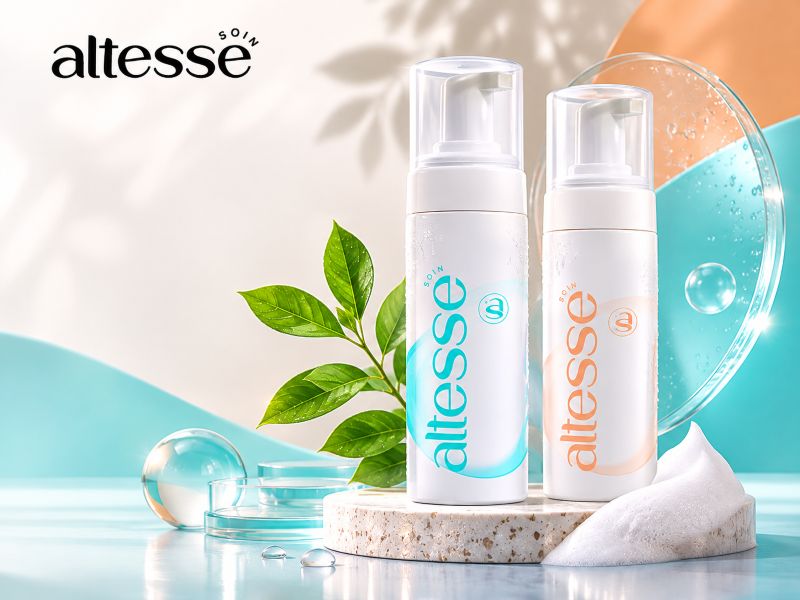
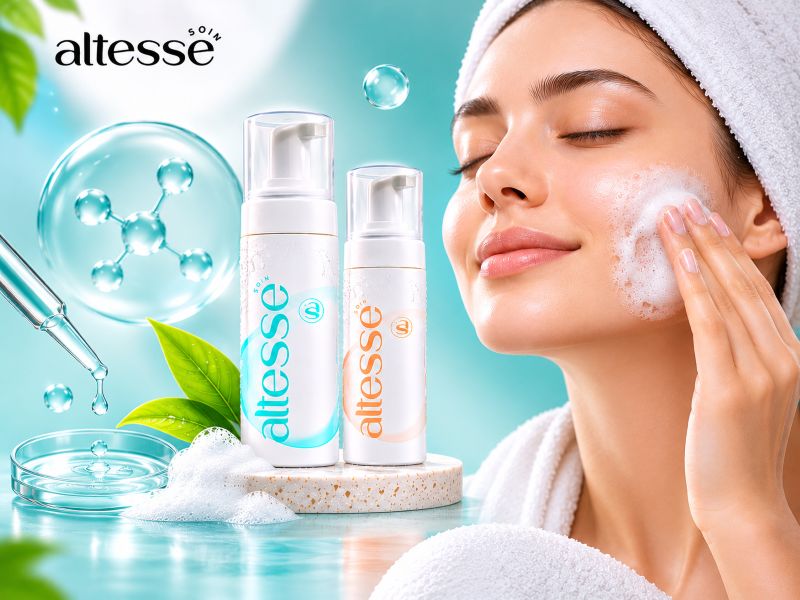
Cleanse: Altesse Cica Mild Foaming Cleanser for a gentle wash that doesn't strip skin, or the Altesse Lustré Vitamin C & Niacinamide Foaming Cleanser if tone and dullness are also a concern.
-
Calm and repair: Altesse Cica Regenerating Serum and Altesse Cica Repairing Gel Cream to support a barrier that feels dry or irritated from exfoliation.
-
Hydrate: Altesse Soin Reservoir Hydrating Serum and Reservoir Moisturizing Gel Cream for lightweight hydration.
-
Protect: Altesse Soin Sunissime Sunscreen SPF50+ every morning, which matters even more when you use an exfoliating acid.
-
Niacinamide support: The Altesse Lustré Vitamin C & Niacinamide Brightening Serum pairs niacinamide with vitamin C. Introduce it separately from an acid, and follow the product page directions.
As with any new product, add one thing at a time so you can tell how your skin responds.
What Is a Good Daily Routine With Salicylic Acid?
Pair gentle cleansing with moisturizer and sunscreen, and add salicylic acid gradually when needed.
Morning
-
Cleanse: A gentle cleanser removes oil and impurities.
-
Moisturize: Choose a non-comedogenic moisturizer that suits your skin.
-
Protect: Broad-spectrum SPF 30 or higher.
Evening
-
Remove makeup and sunscreen, then cleanse gently.
-
On acid days, use salicylic acid as directed on the label.
-
Apply a suitable moisturizer afterward, if the product's directions allow.
-
On other days, keep it gentle and don't add new exfoliants.
You don't need salicylic acid morning and night. Follow the recommended frequency for your product. If dryness or redness appears, use it less often or stop and ask a doctor if irritation is severe or you notice swelling.
Quick Facts About Salicylic Acid
-
It is a beta hydroxy acid (BHA).
-
It helps reduce pore clogging and blackheads and whiteheads.
-
It may suit oily and acne-prone skin but can irritate sensitive skin.
-
Strength and frequency depend on the product type and purpose.
-
Moisturizer and sunscreen are key parts of the routine.
-
Overuse or random mixing with other acids can cause dryness and redness.
-
It doesn't treat every type of acne; severe cases may need medical care.
-
No results are guaranteed, and responses vary.
Remember: Choosing the right product and following its directions helps you benefit from salicylic acid safely. See a dermatologist if acne persists or irritation is significant.
Can You Combine Salicylic Acid With Other Ingredients?
Yes, with some. But check compatibility to avoid dryness and irritation, especially on sensitive skin.
Ingredients That Often Pair Well
-
Moisturizer: Reduces dryness and supports the skin barrier.
-
Niacinamide: May support the barrier and improve the look of oil.
-
Sunscreen: Essential to protect skin from UV rays.
Ingredients to Use With Caution
-
Glycolic and lactic acid: Using them with salicylic acid can mean too much exfoliation and irritation.
-
Retinol: May increase dryness and redness when combined with exfoliating acids.
-
Benzoyl peroxide: Combining it with other treatments can irritate some people.
Important tip: Add each new ingredient gradually, and avoid using several actives together until you know your skin tolerates them. If you use acne medication, ask your dermatologist or pharmacist how to combine them.
When Will You See Results From Salicylic Acid?
Improvement in blackheads and clogged pores usually begins gradually over several weeks of regular use, depending on skin type, product strength, and how often you use it.
|
Timeframe |
What to Expect |
|
Week 1 |
No clear change yet; mild dryness may appear as skin adjusts |
|
Weeks 2 to 4 |
Blackheads and congestion may begin to improve for some people |
|
Weeks 4 to 8 |
Skin texture and the look of breakouts may improve with regular use |
|
Weeks 8 to 12 |
A good point to assess whether it's working; some cases need a routine change or other treatment |
These timeframes are estimates, not a guarantee. Don't raise the strength or frequency to speed things up. If you see no improvement or acne gets worse, see a dermatologist.
Common Myths About Salicylic Acid
|
Myth |
Reality |
|
The higher the strength, the better the results |
A higher strength can increase dryness and irritation and doesn't guarantee better results |
|
It suits every skin type |
It may not suit very sensitive or damaged skin; choose a product that fits your skin and its tolerance |
|
You can mix it with all other acids safely |
Combining exfoliants can add to irritation, so use them carefully |
|
It cures all types of acne |
It may help with clogged pores, blackheads, and whiteheads, but deep or painful acne may need different treatment |
|
It must cause visible peeling to work |
Peeling isn't required; heavy peeling with redness can signal irritation |
|
You can use it without checking the rest of your routine |
Review your other products and topical medicines, especially exfoliants and retinoids, to avoid irritation |
Summary: Safe use means choosing the right product, following the directions, and watching your skin, rather than raising strength or frequency.
When to See a Doctor
Get urgent medical help if you notice swelling of the face, lips, or tongue, difficulty breathing, or signs of a severe allergic reaction after using a product.
Stop use and seek urgent assessment if you see:
-
Sudden swelling of the face, lips, or tongue
-
Difficulty breathing or a tight throat
-
Severe dizziness or feeling faint along with allergic symptoms
-
Intense irritation, worsening pain, or clear swelling where you applied it
Stop the product and see a dermatologist if redness or severe dryness continues, or if acne is deep, painful, leaves scars, or doesn't improve with a suitable routine.
Summary
Salicylic acid helps clear clogged pores, reduce blackheads and whiteheads, and smooth texture, which is why it's a staple for oily and acne-prone skin. It works best when you choose a suitable product, start gradually, moisturize, and wear sunscreen every day. It's not a cure-all for acne, and more is not better.
If your acne is persistent, deep, or painful, or irritation doesn't settle, a dermatologist is a better next step than adding more products.
For questions about Altesse Soin skincare, contact us:
-
WhatsApp: https://wa.me/201001143374
-
Email: info@altessesoin.com
-
Phone: +2 010 0114 3374
Frequently Asked Questions
1. What does salicylic acid do for your face?
It exfoliates the skin's surface and helps clear clogged pores, which may improve blackheads, whiteheads, and some mild acne.
2. Is salicylic acid good for oily skin?
It can be. It helps reduce buildup of oil and dead cells inside pores, but choose a suitable product and avoid overuse.
3. Does salicylic acid shrink pores?
It can make pores look less noticeable by reducing the buildup inside them, but it doesn't permanently change inherited pore size.
4. How often can you use salicylic acid?
It depends on the product type, strength, and directions. Start as the label says, and cut back if dryness or irritation appears.
5. Can you use salicylic acid with niacinamide?
Many people can, but it depends on the formulas and how your skin responds. Introduce each product gradually.
6. Can you use salicylic acid with retinol?
Using them together may increase dryness and irritation, so don't combine them randomly. Ask a professional how to schedule both if you need them.
7. Does salicylic acid lighten skin?
It isn't made for lightening skin, though it may improve texture and the look of skin by reducing buildup. Don't use high strengths for lightening.
8. Is salicylic acid safe for sensitive skin?
It can irritate sensitive skin, so use caution and consider alternatives if needed. Don't apply it to inflamed or damaged skin without medical advice.
9. Do you need sunscreen with salicylic acid?
Yes. Sunscreen is an important part of daily care, especially when using exfoliating products. Use broad-spectrum SPF 30 or higher.
10. Is salicylic acid better than glycolic acid?
It depends on your goal. Salicylic acid is generally used to reduce clogged pores, while glycolic acid exfoliates the surface and improves texture.
11. Can you use salicylic acid every day?
Some products are designed for daily use, others are not. Follow the label, and reduce the frequency if you see dryness or redness.
12. Can you use salicylic acid during pregnancy?
Ask your doctor first, since suitability can depend on the product type and strength.
13. How long does it take to see results?
Blackheads and congestion may start improving over a few weeks, and fuller results take longer. Timelines vary and aren't guaranteed.
14. Why does my skin get worse when I start salicylic acid?
Dryness, irritation, or a reaction to the formula can make skin look worse. Don't assume it's a normal phase; reduce use or stop, and seek advice if it continues.
15. Can salicylic acid treat deep acne?
Not on its own. It may help with clogged pores and surface-level breakouts, but deep, painful, or scarring acne needs a dermatologist's assessment.