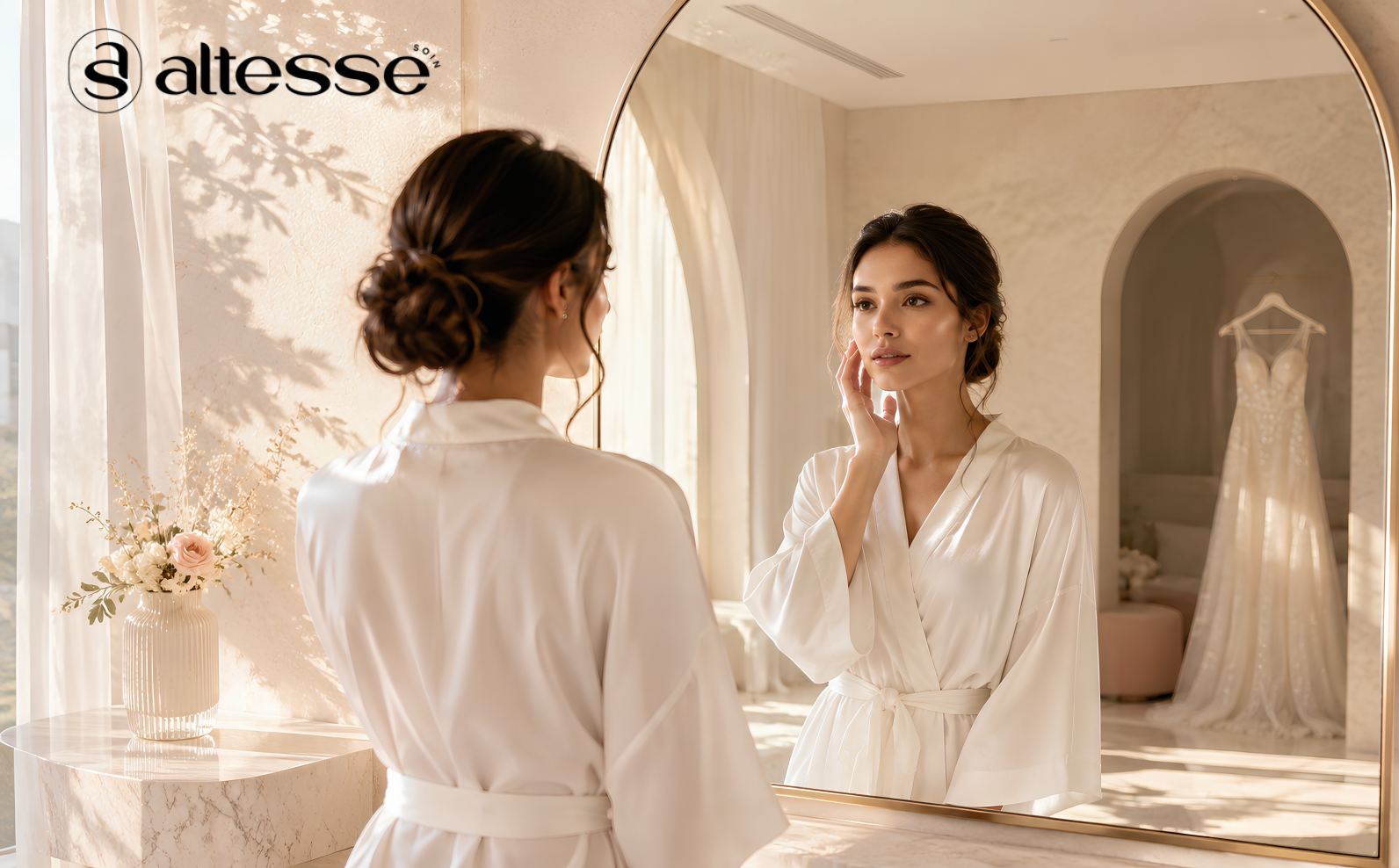
Wedding-day stress has a way of showing up on your face right when you need your skin to look its best. Breakouts, dullness, and uneven tone tend to spike in the weeks before the big day — and the anxiety about it only makes things worse. The good news is that a structured, dermatologist-backed skincare routine, started early enough, can reliably turn things around.
The best skincare routine before your wedding combines a consistent daily system — double cleansing, gentle exfoliation, deep hydration, and daily sunscreen — with targeted treatments like vitamin C and hyaluronic acid serums. Starting at least 3 to 6 months before the wedding gives your skin enough time to address pigmentation, acne, and texture issues safely, while sticking to products your skin already tolerates in the final weeks prevents last-minute reactions.
What Is a Bridal Skincare Routine, Exactly?

A bridal skincare routine is a structured, medically informed sequence of steps designed to treat specific skin concerns and improve overall skin appearance well ahead of the wedding date.
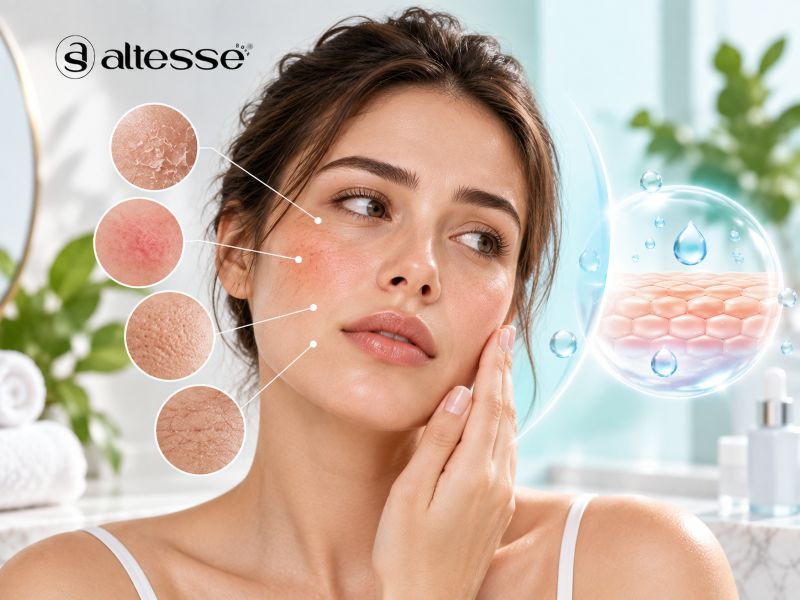
Skincare before a wedding isn't a luxury — it's a practical, evidence-based process. Brides have always looked for ways to prepare their skin for the big day, but modern dermatology now offers targeted products that address specific concerns with real precision, rather than relying on guesswork. The real value of a bridal routine is that it rebuilds a skin barrier that's often been weakened by pollution, stress, and inconsistent care.
Think of your skin as the canvas for your wedding-day look. You can't paint a flawless picture on a damaged canvas — which is why preparing that foundation matters more than any single product. A consistent routine gives skin cells room to regenerate naturally and clears out deeper buildup, so you need less heavy makeup to look radiant. The result is a bridal glow that looks natural and healthy, not masked.
Quick Facts
-
Skin cells fully regenerate roughly every 28 to 42 days.
-
Chronic stress raises cortisol, which increases oil production and breakouts.
-
Hydration supports skin elasticity, but drinking water alone can't replace topical moisturizers.
Benefits of Following a Bridal Skincare Routine
A consistent routine boosts cell turnover, supports collagen production, and strengthens the skin barrier so it can handle makeup and long wedding-day hours.
-
Evens out skin tone: Regular exfoliation and antioxidants fade dark spots and pigmentation for a more uniform complexion.
-
Softens fine lines: Deep hydration plumps the skin, minimizing the look of fatigue and dehydration lines.
-
Balances oil production: The right cleanser reduces excess shine and helps prevent sudden breakouts.
-
Improves product absorption: Clean, exfoliated skin responds faster to serums and treatments.
-
Extends makeup wear: Healthy skin is a better base for makeup, helping it stay put through photos, dancing, and long hours without creasing or patchiness.
Who This Routine Is For
This system can be adapted for every skin type — oily, dry, combination, or sensitive — based on individual needs.
-
Oily skin: Look for oil-free formulas built around salicylic acid to control shine and clear congested pores.
-
Dry skin: Gentle acids like lactic acid help, paired with ceramide-rich moisturizers to restore lost lipids.
-
Combination skin: Needs a dual approach — oil control around the T-zone and lighter hydration elsewhere.
-
Sensitive skin: Prioritize calming ingredients like niacinamide and chamomile extract, and avoid fragrance and alcohol.
-
Acne-prone skin: Needs a full routine focused on fighting acne-causing bacteria without over-drying the skin.
How to Choose the Right Products
Product selection should be based on your skin type, specific concerns, and active ingredients — not on what worked for someone else.
-
Look for proven actives: Retinol, vitamin C, and AHAs are effective when the concentration and formulation suit your skin type.
-
Avoid irritants: Skip strong synthetic fragrances, parabens, and drying alcohols, especially with sensitive skin.
-
Favor dermatologist-tested formulas: These tend to offer higher safety and efficacy standards.
-
Start low, go slow: Introduce strong actives like exfoliants at low concentrations first to avoid shocking the skin.
-
Check the packaging: Ingredients like vitamin C oxidize quickly, so opt for opaque, airtight packaging that blocks light and air.
Daily Routine: Step-by-Step

Apply products in this order for the best absorption and results.
-
Double cleanse: In the evening, start with an oil-based cleanser to dissolve makeup and sunscreen, then follow with a water-based cleanser for a deeper clean.
-
Tone: Use an alcohol-free toner to rebalance pH and tighten pores, prepping skin for treatment products.
-
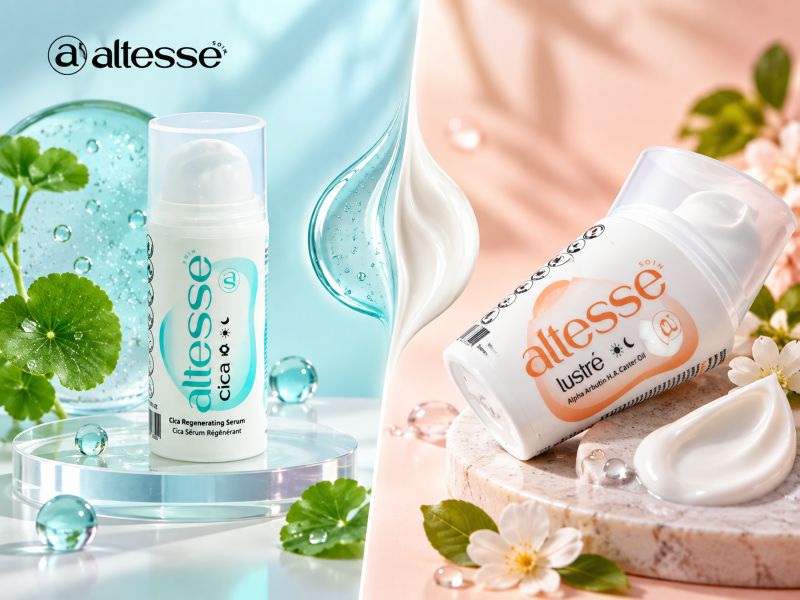
Treat: Apply a vitamin C serum in the morning for antioxidant protection, and a retinol or gentle acid serum at night for renewal.
-
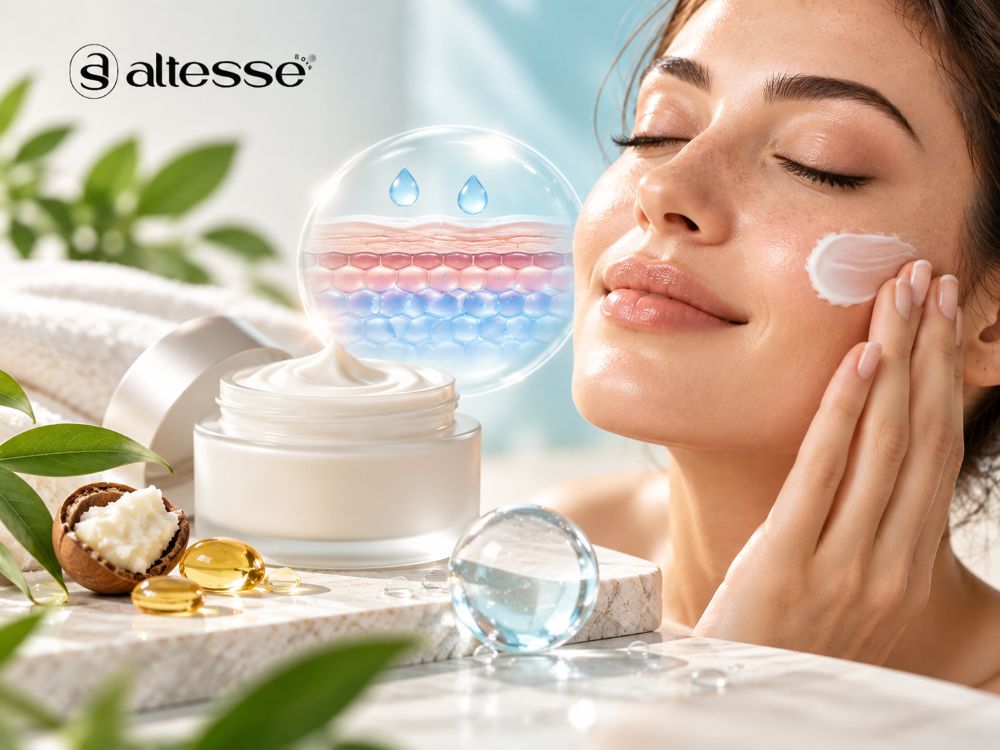
Moisturize: Lock in hydration with a moisturizer suited to your skin type to strengthen the barrier.
-
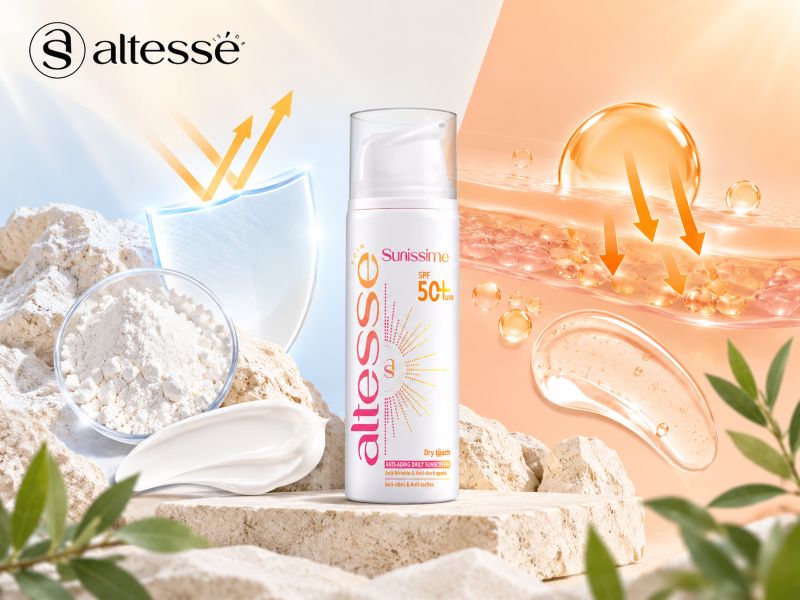
Protect: In the morning, apply a generous layer of broad-spectrum sunscreen, reapplying every two hours with sun exposure.
Expert tip: Extend these steps to your neck and chest — they show signs of aging and sun damage just as much as your face.
Caution: Avoid rubbing your face with a towel. Pat dry gently, ideally with a clean cotton or paper towel dedicated to your face, to prevent transferring bacteria.
Ingredient Combinations: What Works Together
Combining ingredients correctly boosts results, while the wrong pairing can cause irritation that sets back your progress right before the wedding.
|
Combination |
Verdict |
Why |
|
Vitamin C + sunscreen |
Safe & effective |
Vitamin C boosts sunscreen's ability to fight free radicals |
|
Hyaluronic acid + retinol |
Safe & effective |
Hyaluronic acid offsets the dryness retinol can cause |
|
Niacinamide + salicylic acid |
Safe & effective |
A strong combo for oil control and pore refinement |
|
Retinol + chemical exfoliants |
Use with caution |
Alternate on different nights to avoid damaging the skin barrier |
|
Vitamin C + retinol |
Avoid combining |
Different pH requirements cancel out effectiveness and raise irritation risk — use one in the morning, the other at night |
Results Timeline: What to Expect
|
Timeframe |
What You'll Notice |
|
First 2-4 weeks |
Improved hydration, smoother texture, less visible dryness or flaking |
|
1-2 months |
Fewer breakouts, more balanced oil production, early fading of dark spots |
|
3-6 months |
Deeper cell renewal, reduced fine lines, more even overall skin tone |
Key takeaway: Start your treatment routine at least six months before the wedding. This buffer gives you time to safely handle any allergic reactions or sensitivities without pressure.
Common Mistakes Brides Should Avoid

-
Trying new treatments right before the wedding. Stop introducing new products or clinic treatments at least two months out — stick to what your skin already tolerates.
-
Over-exfoliating. Limit exfoliation (chemical or physical) to twice a week max to avoid thinning and irritating the skin.
-
Skipping makeup removal. Cleansing before bed is non-negotiable — leftover makeup clogs pores and can trigger sudden breakouts.
-
Skipping moisturizer on oily skin. Depriving oily skin of hydration only pushes it to overproduce oil; use a lightweight, water-based moisturizer instead.
Myths vs. Facts
-
Myth: Natural kitchen ingredients are always safe for skin. Fact: Some, like lemon juice, can cause chemical burns when exposed to sunlight.
-
Myth: Sunscreen is only needed in summer. Fact: UV rays penetrate clouds and windows year-round and contribute to premature aging.
Product Categories to Know
-
Gentle cleansers: Remove impurities without stripping natural oils — some are ceramide-based, others lean on aloe vera. Choose based on whether your pores need deep cleansing or surface-level hydration.
-
Vitamin C serums: Vary by ascorbic acid concentration and stability. A 10-15% concentration is generally ideal for beginners, brightening pigmentation and supporting collagen without excessive tingling.
-
Hyaluronic acid moisturizers: Differ by molecular weight — smaller molecules penetrate deeper to plump fine lines, while larger molecules hydrate the surface for a fuller look.
-
Eye creams: Vary by target — some focus on caffeine to reduce puffiness, others use peptides for dark circles and fine lines.
Pro tip: Pair a treatment serum with a complementary moisturizer to lock active ingredients into the skin for faster, better results.
Full Routine at a Glance
Morning (protection-focused):
-
Water-based cleanser
-
Soothing toner
-
Lightweight moisturizer
Evening (repair-focused):
-
Oil-based cleanser or makeup remover
-
Water-based cleanser
-
Treatment serum (retinol or exfoliating acid, alternated)
-
Eye cream
-
Rich night cream
When to See a Dermatologist
Book an appointment and stop using new products immediately if you notice sudden rashes, facial swelling, persistent severe itching, or an unusual increase in painful, inflamed breakouts that don't respond to home care.
Frequently Asked Questions
When should I start my skincare routine before the wedding?
Dermatologists recommend starting at least six months in advance. This gives enough time to treat deeper concerns like stubborn pigmentation and to safely test new products.
How do I deal with a sudden pimple the night before the wedding?
Don't pick at it. Apply a hydrocolloid patch overnight to draw out inflammation, or dab on a small amount of spot-treatment salicylic acid.
What's the difference between hydration and moisturizing?
Hydration draws water into skin cells using ingredients like hyaluronic acid, while moisturizing uses oils and emollients to seal that water in and prevent it from evaporating.
Is drinking water enough for glowing skin?
Water is essential for overall health, but it doesn't hydrate the outer layers of skin sufficiently on its own — topical moisturizers are still necessary.
Do I really need a separate eye cream?
The skin around the eyes is thinner and has fewer oil glands than the rest of the face, so a lighter, dedicated formula helps avoid puffiness and fluid retention.
Does stress actually affect skin clarity?
Yes. Stress raises cortisol levels, which stimulates oil glands to produce more sebum — a common trigger for stress-related breakouts.
How do I pick a sunscreen that works under makeup?
Choose a water-based or gel sunscreen that isn't greasy and doesn't leave a white cast, so your foundation goes on smoothly.
Is daily facial massage worth it?
Yes — gentle massage with tools like a gua sha stone, or even your fingertips, boosts circulation and lymphatic drainage, reducing puffiness and increasing radiance.
What should I do if retinol irritates my skin?
Pause use for a few days and switch to soothing, ceramide- or panthenol-based moisturizers. When you resume, try the "sandwich method" — moisturizer, then retinol, then moisturizer again.
Does diet really influence results?
Yes. Cutting back on sugar and processed foods while increasing leafy greens and healthy fats like omega-3s shows up quickly in skin elasticity and overall health.
Should I care for my neck and chest too?
Absolutely. The neck and chest often show signs of fatigue and uneven tone first. Apply the same cleansing, hydrating, and protecting steps there as you do on your face.
Ready for Your Bridal Glow?
A radiant wedding-day complexion starts with consistency, not last-minute fixes. If you'd like personalized product recommendations for your skin type and wedding timeline, our team at Altesse Soin is here to help.
-
WhatsApp: https://wa.me/201001143374
-
Email: info@altessesoin.com
-
Phone: +2 010 0114 3374