Do you notice your skin getting oilier, drier, or more irritated as the temperature climbs? Summer often brings more sweating and sun exposure, which can throw off your skin's appearance and balance. The good news is you don't need a complicated routine — once you understand what your skin actually needs and apply a few effective habits, you can keep it healthy and glowing all season long.
To take care of your skin in summer, focus on gentle cleansing, suitable hydration, broad-spectrum sunscreen, limiting direct sun exposure, and cleansing skin after sweating. It's also worth adjusting certain routine steps based on your skin type, the climate, and how much sun exposure you're getting.
What Happens to Skin During Summer?

In summer, skin temperature rises, and both sweating and oil production increase. Sweat mixing with oils and cosmetics can clog pores, especially for people with oily skin.
Skin is also exposed to UV rays, which can cause:
-
Redness and sunburn
-
Increased pigmentation and melasma
-
Worsening of certain acne cases
-
Visible signs of aging
-
Dryness and irritation, despite increased oil production
Think of your skin like a protective wall: when it loses water or becomes irritated, its ability to protect the body weakens. That's why summer skincare isn't just about controlling shine — it's also about maintaining balance and strengthening skin's natural barrier.
Why Skin Needs Special Care in Summer
Caring for your skin in summer helps reduce damage from heat and sun exposure, while keeping skin feeling more comfortable and looking more radiant.
Key benefits include:
-
Reducing sunburn: A suitable sunscreen helps protect skin from the UV rays that cause redness and burning.
-
Limiting pigmentation: Repeated sun exposure can increase dark spots, especially with melasma and acne marks.
-
Reducing clogged pores: Gentle cleansing removes sweat and oil without drying out skin.
-
Maintaining hydration: A lightweight moisturizer prevents tightness and flaking, even for oily skin.
-
Supporting the skin barrier: Gentle products reduce irritation and help maintain skin's balance.
-
Improving skin's appearance: A consistent routine gives skin a smoother, more even look.
-
Reducing early signs of aging: Sun protection is one of the most important long-term preventive steps.
The American Academy of Dermatology recommends using a broad-spectrum, water-resistant sunscreen with SPF 30 or higher, applying a generous amount to all exposed areas.
How to Take Care of Your Skin in Summer

The best summer skincare relies on gentle cleansing, suitable hydration, and protection from UV rays, with products adjusted based on skin's needs.
During summer, skin faces different conditions compared to cooler months — heat, sweat, humidity, and repeated sun exposure can make some skin types oilier, while others may deal with dryness or sensitivity. So the question isn't just "how do I take care of my skin?" but also "what does my skin specifically need this season?"
A basic summer routine can include:
-
Cleansing skin gently without over-washing
-
Using a moisturizer suited to your skin type
-
Applying a broad-spectrum sunscreen with SPF 30 or higher
-
Reapplying sunscreen during extended outdoor exposure
-
Wearing a hat, sunglasses, and clothing that provides suitable coverage
-
Avoiding direct sun exposure during peak UV hours
-
Caring for skin after sweating and outdoor activities
The World Health Organization recommends taking UV protection measures whenever the UV index reaches 3 or higher.
What Are the Benefits of a Suitable Summer Routine?
A suitable summer routine helps protect skin from the sun and maintain its balance, comfort, and healthy appearance.
Key benefits include:
-
Protection from harmful rays: Sunscreen combined with shade and protective clothing helps reduce UV exposure.
-
Maintaining hydration: The right moisturizer supports the skin barrier, even when skin is oily.
-
Reducing that oily feeling: Gentle cleansing removes sweat and impurities without needing to wash your face repeatedly.
-
Keeping skin looking more radiant: When skin is clean, hydrated, and protected, maintaining its best appearance becomes easier.
-
Reducing irritation: Avoiding rubbing and harsh products helps reduce stress on the skin barrier.
-
Supporting skin during outdoor activities: Sunscreen can be combined with sunglasses, a hat, and suitable clothing.
-
Keeping your routine sustainable: A simple routine is easier to stick with daily, especially during hot days.
Protection doesn't rely on sunscreen alone — it's best to combine shade, protective clothing, a hat, sunglasses, and sunscreen when needed.
Who Is a Summer Skincare Routine For?
Skincare routines can be adjusted based on skin type and condition:
-
Oily skin: Needs a gentle cleanser and a lightweight, non-comedogenic moisturizer that won't clog pores.
-
Dry skin: Needs a relatively richer moisturizer, while avoiding harsh cleansers and very hot water.
-
Combination skin: Can use lightweight products on the forehead, nose, and chin, with more hydration for drier areas.
-
Sensitive skin: Suits a short, fragrance-free routine without strong exfoliants, with any new product tested on a small area first.
-
Acne-prone skin: Needs non-comedogenic products, while avoiding rubbing or picking at breakouts.
-
Skin with melasma or pigmentation: Needs strict sun protection, since UV rays can increase uneven tone.
-
Children and teens: Should use simple, age-appropriate products, with a dermatologist consulted for severe acne or persistent irritation.
How to Choose the Right Summer Products
Choosing the right products makes your routine more effective and less likely to cause irritation.
1. Choose a broad-spectrum sunscreen
Look for a sunscreen that protects against both UVA and UVB rays with SPF 30 or higher, ideally water-resistant for swimming or sweating. A higher number doesn't mean you can skip reapplication — every sunscreen needs to be reapplied as directed.
2. Consider your skin type
Oily skin does well with a lightweight gel or fluid formula. Dry skin may benefit from a sunscreen with added hydrating ingredients.
3. Choose a gentle cleanser
Skin doesn't need a cleanser that leaves it feeling tight to be clean. Over-cleansing can push skin to produce more oil or increase dryness.
4. Look for a lightweight moisturizer
Suitable formulas may contain hyaluronic acid or glycerin, ingredients that help draw water to the skin's surface.
5. Avoid fragrance if you have sensitive skin
If your skin is sensitive, choose products free of fragrance and harsh alcohol, and try a small amount before adding it to your routine.
6. Check expiration dates
High heat and storing products in a car or near windows can affect their quality, so store them in a cool, dry place per the packaging instructions.
Steps for a Summer Skincare Routine
Follow a simple, consistent routine instead of using many products at once:
-
Cleanse skin in the morning. Use a gentle cleanser to remove oil and sweat that built up overnight.
-
Apply a treatment product if needed. A suitable product for a specific concern, like pigmentation or acne, can be used after consulting a specialist if you have sensitivities.
-
Moisturize skin. Apply a moisturizer suited to your skin type, even if it's oily.
-
Apply sunscreen. Put it on about 15 minutes before heading outside, on exposed skin.
-
Add extra protection. Wear a wide-brimmed hat and sunglasses, and look for shade whenever possible.
-
Reapply sunscreen. Reapply every two hours while outdoors, and after swimming, sweating, or drying your face and skin.
-
Cleanse skin in the evening. Remove sunscreen and makeup before bed, then wash your face gently.
-
Add evening hydration. Use a moisturizer that helps calm skin and support its barrier.
💡 Expert tip: Introduce one new product at a time and wait several days to see how your skin responds.
⚠️ Caution: Avoid lemon, toothpaste, or homemade brightening mixes — they can cause irritation and more pigmentation.
Common Summer Skincare Mistakes

The most common mistake is assuming skin needs intense drying or exfoliating just because the temperature has risen.
Mistake: Washing your face too often. Do this instead: Cleanse gently and repeat cleansing when needed after sweating, instead of scrubbing repeatedly.
Mistake: Skipping moisturizer because skin feels oily. Do this instead: Choose a suitable moisturizer instead of cutting out hydration entirely.
Mistake: Applying sunscreen only once for the whole day. Do this instead: Reapply during extended outdoor exposure and after swimming or sweating, per the product's instructions.
Mistake: Relying on sunscreen alone. Do this instead: Combine sunscreen with shade, suitable clothing, a hat, and sunglasses.
Mistake: Scrubbing skin hard to remove oil. Do this instead: Use gentle cleansing methods and avoid rubbing.
Mistake: Ignoring the UV index. Do this instead: Check the UV index, especially when it reaches 3 or higher, since protection needs increase.
Mistake: Trying several new products at once. Do this instead: Introduce products gradually so you can identify what suits your skin.
Choosing a Summer Routine by Skin Type
Choosing your summer routine depends on your skin type and needs, not just the rising temperature.
-
Oily skin: Use lightweight products with gentle cleansing and suitable hydration, without over-drying skin.
-
Dry skin: Focus on hydration and a gentle cleanser, with daily sunscreen.
-
Combination skin: Choose lightweight products for oily areas, with more hydration for drier zones.
-
Sensitive skin: Simplify your routine and avoid irritating ingredients, introducing any new product gradually.
-
Acne-prone skin: Choose suitable products and cleanse skin after sweating without rubbing or over-washing.
-
Skin with pigmentation: Prioritize sun protection, since UV rays can make pigmentation more visible.
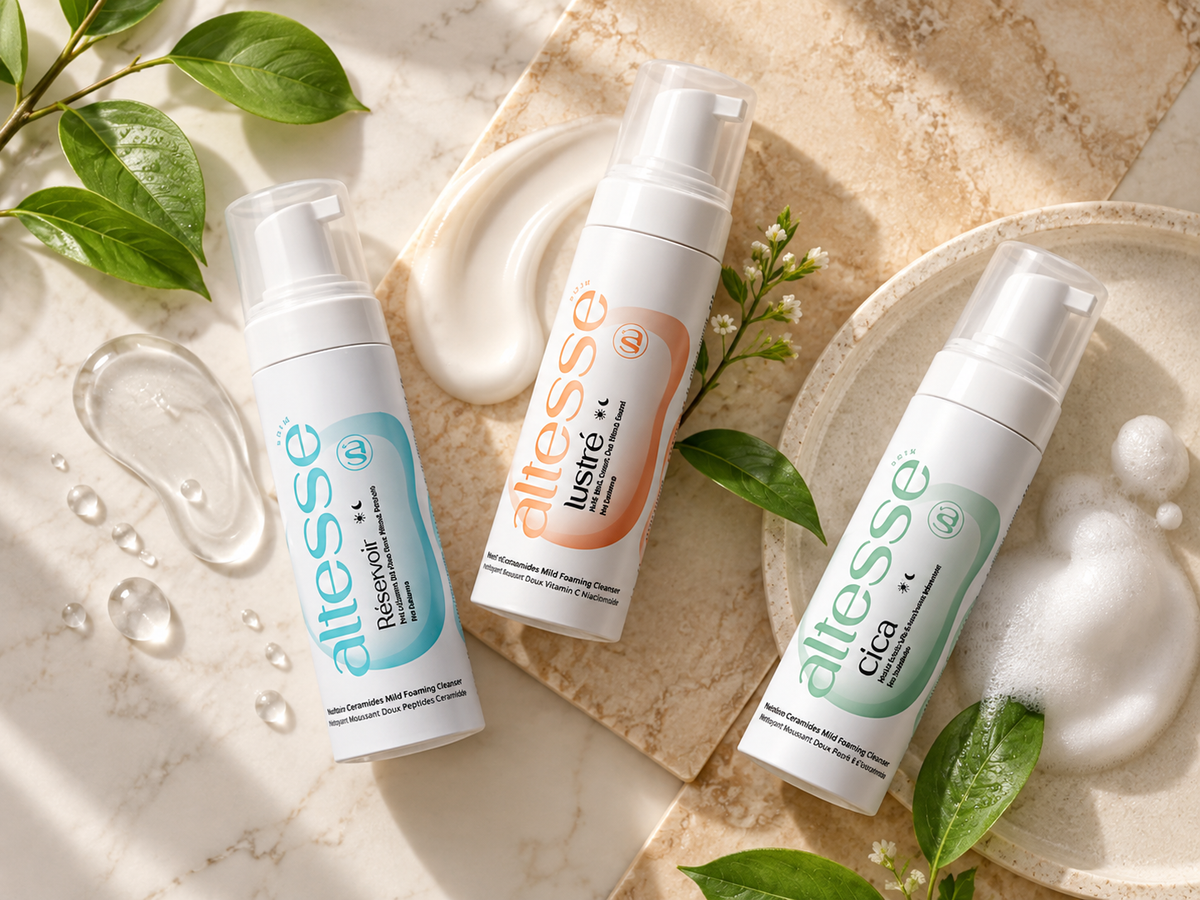
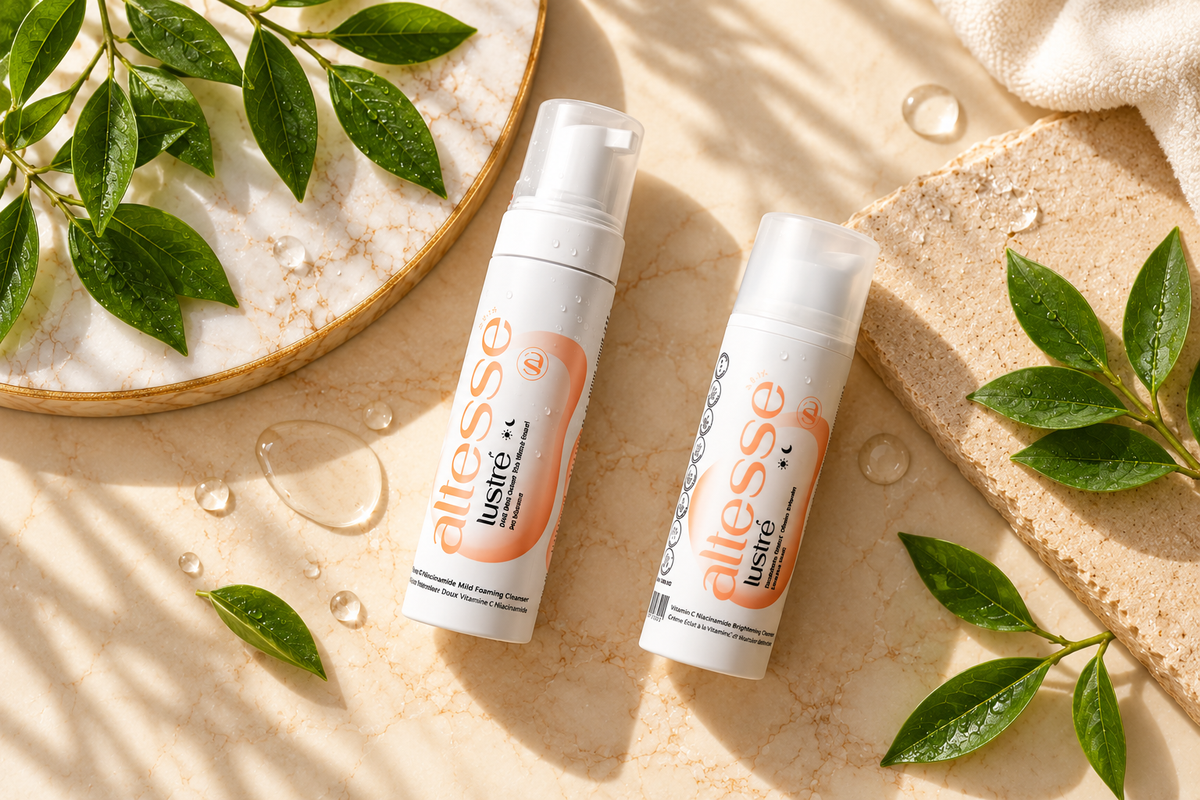
How Altesse Soin Products Help You Care for Your Skin in Summer
During summer, skin needs care that keeps it clean, hydrated, and protected from external factors, which is why Altesse Soin products can be part of a balanced daily routine:
-
Cleansing: Cica Mild Foaming Cleanser helps gently clean skin of sweat residue and impurities.
-
Hydration: Cica Regenerating Serum gives skin suitable hydrating care as part of your daily routine.
-
Skin support: Cica Repairing Gel Cream can be used as part of your hydration and skincare steps.
-
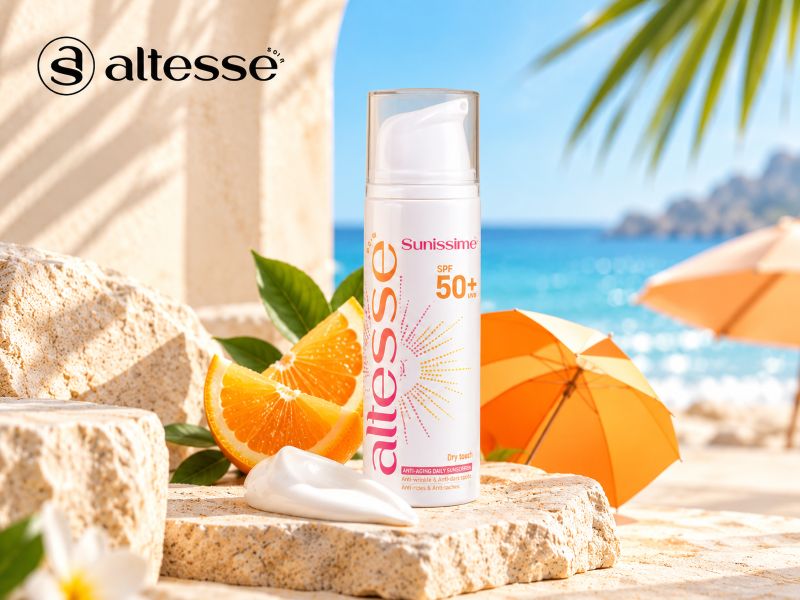
Protection: Sunissime SPF50+ fits into your morning routine to help protect skin from sun exposure.
With these steps, your skincare routine becomes simpler and more organized, tailored to your skin type and needs during the hot days.
What Can Be Combined in a Summer Routine, and What Needs Caution?
Cleansing, hydration, and sun protection steps can easily be combined, while active ingredients need to be introduced based on your skin's tolerance.
Suits a simple routine:
-
Gentle cleanser + moisturizer: Helps clean skin and keep it comfortable.
-
Moisturizer + sunscreen: A core combination in your morning routine.
-
Sunglasses + hat + sunscreen: Provides multi-layered protection when you're outdoors.
-
Post-sweat care + hydration: Helps keep skin clean and comfortable.
Use with caution:
-
Exfoliating acids: Can cause irritation if overused, especially alongside sun exposure.
-
Retinoids: Need proper use and clear instructions, and skin may become more sensitive to certain ingredients.
-
Multiple active ingredients: Combining too many products at once can increase the chance of irritation.
Best avoided:
-
Rubbing skin hard
-
Over-exfoliating
-
Using products that clearly irritate your skin
-
Changing your entire routine all at once
The core idea is a balanced summer routine: cleanse, hydrate, protect — then add any other step only when there's a clear need for it.
When Do Results From a Summer Routine Appear?
Some effects of skincare show up quickly, while protecting skin and improving certain skin concerns takes longer to become noticeable.
|
Timeframe |
What You Might Notice |
|
First few days |
A better feeling of cleanliness and hydration when using suitable products |
|
2 weeks to a month |
Improved comfort and balance for some people |
|
A month and beyond |
The impact of consistent sun protection and regular care becomes noticeable |
|
Long term |
Sun protection and consistent care become a stable part of maintaining skin health |
Not seeing an obvious change within days doesn't mean the routine isn't right for you — some skincare goals take time, and everyone's skin responds differently.
What matters most is not chasing quick results by adding too many products. Staying consistent with the basics is far more beneficial than constantly changing your routine.
What Makes a Suitable Sunscreen for Summer?
Choose a broad-spectrum sunscreen that protects against UVA and UVB, ideally SPF 30 or higher and water-resistant when needed.
When choosing sunscreen, don't just look at the SPF number — consider these points too:
-
Broad-spectrum protection: Means protection from both UVA and UVB rays.
-
SPF 30 or higher: The American Academy of Dermatology recommends SPF 30 or higher.
-
Water resistance: Important for swimming or sweating, along with reapplying as directed by the product.
-
Fit for your skin type: Choose a formula that feels comfortable and doesn't cause issues when you use it.
-
Easy to reapply: Sunscreen needs to be reapplied during extended outdoor exposure.
The American Academy of Dermatology notes that sunscreen doesn't block 100% of UV rays, which is why protective clothing, shade, and sunglasses remain important parts of overall protection.
How to Build a Morning and Evening Summer Routine
A successful summer routine combines essential morning care with evening cleansing and hydration.
Morning routine:
-
Cleanse. Use a gentle cleanser suited to your skin type.
-
Hydrate. Apply a suitable serum or moisturizer if your skin needs it.
-
Protect. Use a broad-spectrum sunscreen with SPF 30 or higher.
-
Add extra protection. Wear sunglasses and a hat when going out, and seek shade when the sun is strongest.
Evening routine:
-
Cleanse skin. Remove sunscreen and makeup, and wash your face gently.
-
Treat. Use a suitable serum if it's part of your routine.
-
Moisturize. Apply a cream or moisturizer to keep skin comfortable.
-
Monitor. Watch for any unusual change in your skin, especially after introducing a new product.
Sun protection doesn't mean avoiding going outside entirely — it means managing exposure smartly through shade, clothing, sunglasses, and sunscreen.
Golden Tips for Keeping Your Skin Healthy in Summer
A few small habits can make summer skincare easier and more sustainable:
-
Drink fluids regularly based on your body's needs, the weather, and your activity level.
-
Cleanse skin after sweating instead of leaving sweat on for long periods.
-
Keep sunscreen with you when spending extended time outdoors.
-
Use sunglasses that offer suitable UV protection.
-
Wear a wide-brimmed hat during direct sun exposure.
-
Look for shade, especially when the UV index is high.
-
Don't skip moisturizer just because skin feels oilier.
-
Don't apply large amounts of new products all at once.
-
Clean your makeup tools regularly if you use cosmetics.
-
Cleanse skin gently instead of trying to scrub away oil.
The World Health Organization notes that protective clothing, hats, sunglasses, and shade are an important part of UV protection alongside sunscreen for exposed areas.
Quick Facts About Summer Skincare
-
UV rays don't disappear just because it's cloudy, so don't rely on the weather alone to decide whether you need protection.
-
Sunscreen doesn't replace shade, clothing, and sunglasses.
-
The American Academy of Dermatology recommends a broad-spectrum, water-resistant sunscreen with SPF 30 or higher.
-
Reapplying sunscreen matters during extended time outdoors and after swimming or sweating.
-
Oily skin needs suitable hydration — more oil doesn't mean you should skip your moisturizer.
-
The right sunglasses help protect your eyes from UV rays.
-
The UV index helps you understand how strong the sun's rays are and what level of protection you need.
-
The best summer complexion isn't about using more products — it's about a balanced, consistent routine.
Common Myths About Summer Skincare
"Oily skin doesn't need moisturizer." Not true. Choose a suitable moisturizer instead of skipping hydration.
"Sunscreen alone is enough for protection." Not accurate. It's best to combine sunscreen with shade, clothing, a hat, and sunglasses.
"If it's cloudy, you don't need sunscreen." Not accurate. UV rays can reach your skin even through clouds.
"Exfoliating more makes skin cleaner." Not true. Over-exfoliating can cause irritation.
"Sweating means skin is well hydrated." Sweating doesn't replace using a suitable moisturizer.
"Any sunscreen works fine." It's better to choose a formula that suits your skin type and needs.
"A tan is a sign of healthy skin." Tanning from UV exposure isn't a sign of healthy skin — excessive sun exposure causes cumulative damage.
When to See a Doctor Immediately
You should seek a medical evaluation when severe or unusual skin symptoms appear, especially if they don't improve after removing the triggering factor.
See a dermatologist if you notice:
-
Severe or widespread sunburn
-
Noticeable swelling or intense pain
-
Blisters or open sores on the skin
-
A severe or rapidly spreading rash
-
Intense, persistent itching
-
A clear or sudden change in a mole or skin marking
-
Persistent irritation after using a new product
-
Symptoms that recur every time you're exposed to the sun
-
New skin markings that don't fade or change over time
If symptoms are severe or accompanied by general symptoms like intense dizziness, fainting, or difficulty breathing, this isn't a typical cosmetic issue and needs urgent medical care.
FAQ: How to Take Care of Your Skin in Summer
Should I use sunscreen every day in summer?
Yes, especially with outdoor exposure — it's best to use a broad-spectrum sunscreen with SPF 30 or higher along with additional protection like shade, clothing, and sunglasses.
How often should I apply sunscreen in summer?
With continuous outdoor exposure, it's usually reapplied every two hours, and after swimming or sweating, per the product's instructions.
Does oily skin need moisturizer in summer?
Yes, but choose a formula suited to oily skin that's lightweight, instead of skipping hydration entirely.
Can I skip sunscreen if I'm wearing a hat?
A hat provides extra protection, but it doesn't cover all exposed areas, so you may still need sunscreen for areas not covered by clothing or the hat.
Do I need to change my skincare routine in summer?
You may need to adjust some products or textures based on your skin's changing needs, but there's no need to change every product just because the season has started.
Can I use exfoliants in summer?
The answer can vary based on the exfoliant type and your skin's condition, but over-exfoliating can cause irritation, so use it in moderation and based on what your skin can tolerate.
Should I use the same routine in the morning and evening?
Not necessarily — mornings focus on sun protection, while evenings focus on cleansing, hydrating, and caring for skin.
What's the best way to care for skin after sweating?
Cleanse skin gently when you can, dry it without rubbing, then use a suitable moisturizer if your skin needs it.
Can I wear makeup in summer?
Yes, if the products suit your skin, while making sure to cleanse skin and remove makeup at the end of the day instead of leaving it on for long periods without need.
How do I keep my skin healthy throughout summer?
Follow a simple routine that includes gentle cleansing, hydration, and sun protection, and reduce direct sun exposure using a hat, sunglasses, and suitable clothing.
Taking care of your skin in summer doesn't have to be complicated. Focus on gentle cleansing, hydration suited to your skin type, and consistent sun protection, and combine sunscreen with shade, a hat, and sunglasses whenever you're outdoors. Stay consistent with the basics, and your skin will thank you for it season after season.
Contact Altesse Soin
If you're looking for skincare products to help you build a complete summer routine focused on cleansing, hydration, and protection, you can reach out to the Altesse Soin team to find the right products for your skin's needs.
-
WhatsApp: https://wa.me/201001143374
-
Email: info@altessesoin.com
-
Phone: +2 010 0114 3374
Medical references consulted for accuracy: American Academy of Dermatology guidance on broad-spectrum, water-resistant sunscreen with SPF 30 or higher; World Health Organization guidance on UV protection measures and the UV index.
https://altessesoin.com/blogs/news/skincare-routine-to-get-rid-of-acne