Worried about premature wrinkles or sunspots that seem to show up out of nowhere? You might be exposed to the sun every single day without realizing the quiet damage it's doing to your skin's health. In this article, you'll discover the benefits of sunscreen for skin that go far beyond basic prevention, becoming your real plan for daily care and lasting youthfulness.

What Are the Benefits of Sunscreen for Skin, and Why Is It Non-Negotiable?
The benefits of sunscreen for skin act as the first and most important line of defense against the destructive effects of UV radiation, and these benefits extend to preventing premature aging and genuinely reducing the risk of skin cancer.
Sunscreen is known as an essential skincare product, specifically designed to create a barrier that protects skin from two types of harmful sun rays:
-
UVA rays: responsible for premature skin aging and deep wrinkles
-
UVB rays: the main cause of direct sunburn
This product works through one of two mechanisms: absorbing and scattering these rays (chemical sunscreen), or reflecting them off the skin's surface (physical/mineral sunscreen), before they can penetrate skin's layers and cause long-term damage. Without this protective shield, skin is left exposed and vulnerable to sunburn, stubborn pigmentation, premature wrinkles, and, more seriously, an increased likelihood of skin cancer.
Making sunscreen a fixed daily step in your skincare routine isn't a luxury — it's an absolute necessity, even on cloudy or cold days, since UV rays can penetrate clouds and glass windows to quietly reach your skin. Scientific evidence confirms that daily use noticeably delays the appearance of aging signs, leaving skin visibly more vibrant and youthful for as long as possible.
The Health and Beauty Benefits of Sunscreen
Sunscreen's importance isn't limited to sparing you the pain of sunburn — regular use delivers a whole set of health and beauty benefits that elevate your skin's quality and appearance.
-
Reduces the risk of skin cancer: sunscreen plays a critical role in preventing accumulated cellular damage to cell DNA, which significantly reduces the risk of various types of skin cancer, melanoma chief among them
-
Protects against sunburn: it provides immediate protection that prevents skin irritation, redness, pain, and the uncomfortable peeling that results from direct, prolonged sun exposure, especially during peak hours
-
Limits the appearance of wrinkles and fine lines: sunscreen protects elastin and collagen fibers from breaking down under UV rays, which helps preserve skin's elasticity and radiance
-
Prevents pigmentation and dark spots: it limits excess, uneven melanin production, reducing the appearance of freckles, melasma, and sunspots caused by continuous UV exposure
-
Preserves youthful skin: it acts as a daily shield that slows the pace of visible aging by protecting skin's vital components and structural proteins
-
Supports overall skin health: it helps maintain skin's protective barrier, locking in moisture and reducing inflammation or the worsening of skin conditions like rosacea and acne
-
Boosts the effectiveness of your entire routine: sun protection is the foundation — without it, the effort behind your brightening and anti-aging products goes to waste. Sunscreen ensures a healthy environment for skin to genuinely benefit from the rest of your care products
Who Should Be Using Sunscreen?
Sunscreen is a necessary product for all ages and every skin type without exception, but the need for it becomes even more urgent in the following cases:
-
Fair skin: has a lower melanin content, making it more prone to burning and rapid cellular damage compared to darker skin
-
Oily and acne-prone skin: needs daily protection to prevent breakout marks from darkening, and benefits from a lightweight, oil-free, non-comedogenic fluid or gel formula
-
Dry skin: benefits greatly from a cream-textured sunscreen with supportive hydrating ingredients like glycerin, ceramides, and hyaluronic acid
-
Sensitive skin: needs gentle protection, and a physical/mineral sunscreen (containing zinc oxide or titanium dioxide) that's fragrance-free and free from irritating chemicals is often the best choice
-
Children and infants: their skin is extremely thin and sensitive to sun exposure, so it's important to start with products made specifically for children (for ages over 6 months) to provide safe protection
-
Anyone dealing with pigmentation or melasma: the sun is the number-one trigger for pigmentation, which makes sunscreen the first preventive treatment to stop dark spots from spreading or getting worse
-
Anyone taking medications that increase sun sensitivity: people using certain antibiotics, acne treatments (like retinoids and isotretinoin), or exfoliating acids become more prone to sunburn and need extra protection
This applies just as much to skin that's already reactive or irritation-prone. If your skin flares up easily, our guide on the best serum for irritated skin can help you build a calmer, more resilient routine to pair with your daily sun protection.
How to Choose the Right Sunscreen for Your Skin
To get the highest level of protection without causing side effects for your skin, sunscreen should be chosen based on precise criteria:
-
Choose SPF 30 or higher: SPF stands for Sun Protection Factor. SPF 30 is recommended as the minimum for routine daily use (it blocks around 97% of UVB rays), while SPF 50+ is preferable for direct, prolonged sun exposure or swimming
-
Make sure it's broad-spectrum: this condition is critically important, as it guarantees the product offers dual protection against both UVA (which causes aging) and UVB (which causes burns)
-
Choose the formula based on your skin type: match the texture to your skin's nature. Gel or fluid is ideal for oily and combination skin, while a rich cream suits dry skin
-
Check the ingredients: if your skin is sensitive or reacts easily, avoid harsh alcohols, parabens, and strong fragrances
-
Look for water resistance: if you exercise outdoors, sweat heavily, or go swimming, this feature ensures the sunscreen stays on your skin longer (usually 40 to 80 minutes)
-
Check the expiration date: the active ingredients in sunscreen lose their protective power over time, so using an expired product means leaving your skin with no real protection
How to Apply Sunscreen Daily, Step by Step
Owning the best sunscreen in the world won't do any good if it's not applied in the right amount and the right way. Here are the ideal steps for complete protection:
-
Wash your face: start your morning routine by cleansing your skin with a suitable cleanser to remove buildup and oils, making it easier for products to absorb
-
Use your serum and moisturizer: apply your care products (like vitamin C or a moisturizer). Sunscreen should be the final step in your skincare routine
-
Apply enough product: quantity is the real secret. Use an amount equal to the length of two fingers (index and middle) or the size of a large grape to fully cover your face and neck
-
Spread it evenly: gently massage the sunscreen in, making sure to cover every area, and don't skip commonly forgotten spots like the tips of the ears, around the eyes (gently), and behind the neck
-
Let it absorb before makeup: give your skin 2 to 3 minutes for the sunscreen to soak in and settle before starting on foundation or makeup
-
Reapply every two hours: protection isn't permanent. Refresh your sunscreen every two hours as long as you're exposed to the sun, and immediately after heavy sweating, swimming, or towel-drying
-
Don't forget your body: your face isn't the only part that ages or burns. Use a sunscreen made for the body, and apply a generous amount to your arms, legs, and any other exposed areas
This matters for the underarm area too, especially if you wear sleeveless tops often — sun exposure combined with shaving or a harsh deodorant can contribute to darkening, so it's worth reading our guide to the best deodorant for dark underarms if that's a concern for you.
Expert tip: if you wear makeup and find it hard to reapply a creamy sunscreen over it, you can rely on sunscreen mists or powder SPF to refresh protection easily without ruining your look. A fluid or "invisible" sunscreen is also a good choice to avoid an annoying white cast.
Warning: especially with chemical sunscreens, don't head into the sun immediately after applying the product — give it 15 to 20 minutes to react with your skin and form its protective shield.
Can Sunscreen Be Combined with Other Products?
Absolutely — sunscreen can be a harmonious part of your complete routine, as long as you understand how ingredients interact to ensure effectiveness and avoid sensitivity.
Safe and effective together (positive synergy)
-
Vitamin C: the strongest morning duo. Vitamin C is an antioxidant that protects against free radicals, working alongside sunscreen to double your protection from sun damage and pollution — and it's worth knowing how vitamin C serum results typically build over several weeks
-
Niacinamide: an excellent ingredient for calming skin and reducing inflammation, and it supports the skin barrier's function without interfering with protective filters — see our guide on using niacinamide serum for the full routine
-
Hyaluronic acid: a deep, lightweight hydrator that draws water into skin and maintains its elasticity without leaving a heavy feel that affects how well sunscreen sits — read more on the hyaluronic acid benefits your skin can get
Use with caution (spacing them out is best)
-
Retinol: this ingredient renews skin cells but makes skin highly photosensitive. It should be avoided in the morning alongside sunscreen — reserve it for your evening routine only, with strict commitment to sunscreen the next morning
-
Exfoliating acids (AHA/BHA): acids like glycolic and salicylic remove dead skin layers, exposing fresh, thinner skin to sun rays. Use them in the evening, and if used in the morning when necessary, apply a very generous layer of sunscreen afterward
Avoid (may cause harm)
-
Sunscreen containing strong fragrances or drying alcohol: especially if you're combining it with other active products, to avoid allergic reactions, redness, or severe dryness

When Do Results Show Up? (Timeline)
Even though sunscreen is primarily a preventive product, daily commitment to using it delivers noticeable results over gradual timeframes:
Week 1 (immediate, early results)
-
Immediate protection and a noticeable reduction in the usual redness or irritation after sun exposure
-
A feeling of more comfortable, hydrated skin (thanks to the moisturizing ingredients built into most modern sunscreens)
Two weeks to a month (medium-term results)
-
New pigmentation or freckles stop appearing, thanks to curbed excess melanin production
-
Improved skin texture, becoming smoother and less dry, as daily environmental damage decreases
One to three months and beyond (long-term results)
-
Noticeable improvement in overall skin tone (since skin gets the chance to renew itself without new damage getting in the way of that process)
-
A gradual fade in the intensity of some dark spots, and a clear delay in the appearance of new fine lines
Very important note: understand that sunscreen alone doesn't treat or remove existing pigmentation and wrinkles — its main job is preventing them from getting worse and protecting skin from new damage. To treat pigmentation, sunscreen is used alongside treatment-brightening ingredients (like arbutin, vitamin C, and nighttime retinol).
Common Mistakes in Using Sunscreen
Avoiding these mistakes ensures you get the best possible protection and protects your skin from premature damage:
-
Mistake 1: using too little product — Fix: many people apply a layer too thin to deliver the protection listed on the label. Use an amount equal to a large pea (or the two-finger rule) to fully and evenly cover your face and neck
-
Mistake 2: not reapplying — Fix: sunscreen loses effectiveness over time due to sweat and friction. Reapply precisely every two hours, and this matters even more if you're spending time outdoors or swimming
-
Mistake 3: only using it in summer — Fix: UV rays don't recognize seasons. Use sunscreen daily, all year round — even on cloudy or cold days, harmful rays still reach your skin and cause damage
-
Mistake 4: ignoring the neck and hands — Fix: the neck and back of the hands are among the first areas to show signs of aging and wrinkles. Apply sunscreen to all exposed areas of your body, not just your face
-
Mistake 5: relying on makeup alone — Fix: cosmetics containing SPF are never enough on their own, because the amount you apply with makeup is far less than what's needed for real protection. Use a dedicated sunscreen as a base step before makeup
Best Sunscreen for Skin
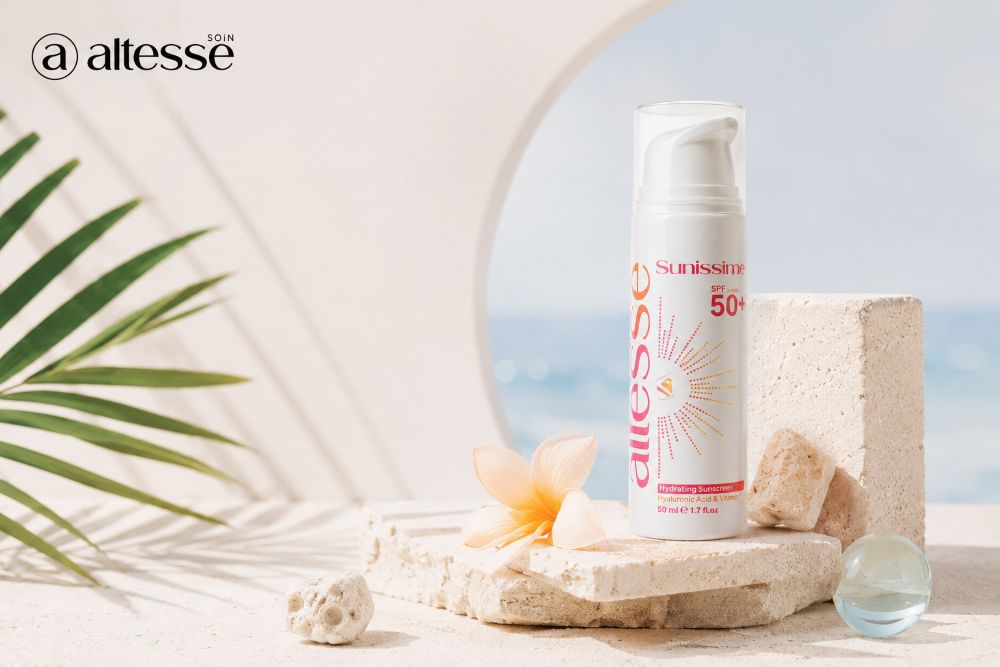
The benefits of sunscreen for skin are so extensive that it becomes the single most important product in any care routine. Within the Sunissime collection, Altesse Soin offers two products with SPF50+ protection that deliver all these benefits together, in a lightweight formula comfortable for daily use.
Sunissime Hydrating Daily Sunscreen SPF50+ 50ml
Delivers a complete set of benefits that go well beyond basic sunburn protection.
Key Ingredients & Benefits
-
Protection from burns and skin cancers (protection reaching up to 98% of UVB)
-
Prevention of premature aging by protecting collagen and elastin from UVA rays
-
Prevents the appearance of pigmentation and helps even out skin tone
-
Built-in deep hydration that prevents the dryness common with traditional sunscreens
When Will You See Results?
Getting the full benefit of all these effects requires continuous daily use, because it's cumulative protection that makes the real difference over the long term.
How to Use
-
Apply daily each morning in an amount sufficient to cover your face and neck
-
Reapply every two hours during direct sun exposure
Protection and hydration together, with no need for extra layers of product.
Get every benefit of sun protection with Sunissime Hydrating Daily Sunscreen SPF50+ 50ml now.
Sunissime Anti-Aging Daily Sunscreen SPF50+ 50ml
Adds an extra dimension of benefits by focusing on fighting visible signs of aging.
Key Ingredients & Benefits
-
Reduces the appearance of fine lines and premature wrinkles caused by collagen breakdown
-
Prevents existing pigmentation from getting worse
-
Nourishing ingredients that reduce the cumulative effects of years of sun damage
-
Fully compatible with makeup, encouraging consistent daily use
When Will You See Results?
Any hyperpigmentation treatment becomes ineffective without regular sunscreen use to prevent dark spots from reappearing.
How to Use
-
Apply daily as the final step in your morning routine
-
Don't skip it on cloudy days or indoors
The best decision you can make to protect your skin's youth and radiance for years to come.
Invest in your skin's long-term youth with Sunissime Anti-Aging Daily Sunscreen SPF50+ 50ml.
Golden tip: no matter how excellent a sunscreen seems, always test a small sample on a hidden area of your neck or hand before committing to a full purchase, just to confirm you're not sensitive to any of its ingredients.
Your Complete Skincare Routine with Sunscreen
To get healthy, protected skin, sunscreen needs to be built into a simple, complete daily routine like this:
Morning routine (focused on protection)
-
A gentle cleanser: to cleanse your face of overnight oils without stripping its moisture
-
A hydrating toner: to prep skin and balance its pH level
-
A vitamin C serum: a strong antioxidant that boosts your sunscreen's effectiveness and protects against free radicals — check vitamin C serum results to know what to expect from consistent use
-
A light moisturizer: to lock hydration into the skin (can be skipped if your sunscreen is hydrating enough on its own)
-
SPF 30 or higher: the most important, final step before sun exposure or makeup
Evening routine (focused on renewal and repair)
-
Makeup remover (or micellar water): a necessary step to dissolve sunscreen, makeup, and accumulated impurities
-
A deep cleanser: to complete double cleansing and ensure pores are free of any residue
-
A treatment serum or retinol: the treatment phase, chosen based on your skin's needs (for wrinkles, pigmentation, or breakouts)
-
A night moisturizer: a rich cream to nourish skin and support its protective barrier overnight
If your day involves a lot of outdoor time or fieldwork, pairing your sunscreen with a suitable moisturizing face sunscreen SPF 50 formula keeps both hydration and protection consistent, instead of layering a separate heavy moisturizer underneath.
Quick Facts About Sunscreen
-
Premature aging: nearly 90% of visible skin aging signs (like wrinkles, sagging, and spots) are directly caused by sun exposure, not just age alone
-
Disease prevention: regular daily sunscreen use reduces the risk of skin cancer by up to 50%
-
Protection power: an SPF 30 rating doesn't mean weak protection — it's capable of blocking 97% of burning UVB rays
-
Cold weather: even in the depths of winter and on cloudy days, UV rays can penetrate thick clouds and still damage your skin
Common Misconceptions
-
Myth: sunscreen completely stops your body from producing vitamin D. Truth: completely false — no sunscreen can block 100% of rays. You can also get enough vitamin D through a proper diet, supplements, or very brief, safe sun exposure (early morning).
-
Myth: people with dark or tan skin don't need sunscreen. Truth: a dangerous misconception — melanin offers only mild protection, but all skin types and tones remain vulnerable to pigmentation, burns, and the risk of skin cancer.
-
Myth: sunscreen clogs pores and causes acne. Truth: false — this used to happen with older formulas. Modern medical-grade formulas (especially those labeled Non-Comedogenic) are lightweight, water-based, and non-oily, and won't cause breakouts if properly cleansed off in the evening.
When Should You See a Doctor Immediately?
Although sun protection products are very safe, skin reactions vary from person to person. Stop using the product and see a dermatologist right away if you notice any of the following symptoms:
-
Sudden, severe redness or a painful burning and stinging sensation upon application
-
Water-filled blisters or excessive, irritated peeling of the skin after use
-
An unusual change in skin color, or the appearance of unexplained dark or light patches
-
Signs of a severe allergic reaction, such as a rash, persistent itching, or swelling of the face
If your skin is generally on the reactive side, it's also worth knowing whether cica serum daily use is a good fit for calming it down alongside consistent sun protection.
FAQ
Does sunscreen cause breakouts?
No, not if you choose a product that's oil-free and suited to oily skin.
Can body sunscreen be used on the face?
It's best to use a sunscreen made specifically for the face to avoid irritation.
When should I apply sunscreen before going out?
Apply it 15 minutes before sun exposure.
Does sunscreen lose its effectiveness after opening?
Yes, effectiveness can decline after 12 months from opening.
Can one type suit the whole family?
It's best to choose products based on skin type and age.
Do I need sunscreen indoors?
Yes, because UV rays pass through windows.
Can children use the same sunscreen as adults?
It's best to use products made specifically for children.
Can sunscreen be used with makeup?
Yes, apply it as the final step before makeup.
How do I remove sunscreen in the evening?
Use a suitable cleanser or a makeup remover.
Is chemical sunscreen better than physical/mineral?
It depends on your skin type; mineral sunscreen tends to suit sensitive skin better.
Can sunscreen expire?
Yes, always check the expiration date.
Does sunscreen lighten skin?
No, but it prevents new pigmentation from forming.
Can sunscreen be applied over makeup?
Yes, using a spray or powder sunscreen.
Do I need sunscreen in winter?
Yes, because UV rays are present all year round.
Can sunscreen be used with exfoliation?
Yes, but carefully, since skin becomes more sensitive afterward.
We're Here to Serve You — One Step Away from Radiance!
Have a question, or need special advice about our products? The Altesse Soin team is always ready to support you and provide everything you need for an exceptional experience. Don't hesitate to reach out — we're happy to help.
Phone: +2 010 0114 3374
Email: info@altessesoin.com
WhatsApp: https://wa.me/201001143374
Medical References
-
American Academy of Dermatology (2025). Sunscreen FAQs.
-
Skin Cancer Foundation (2025). The Importance of Sunscreen.
-
Mayo Clinic (2025). Sunscreen: How to Choose the Best One.
-
National Institutes of Health (2025). UV Radiation and Skin Cancer.