Does daily sun exposure leave your skin feeling dry, dull, or more reactive than usual? The answer isn't avoiding daylight — it's choosing a moisturizing face sunscreen SPF 50 that gives you broad protection and comfortable hydration without any heaviness. Protect your skin with a few simple steps that keep its glow and natural barrier intact.

What Is a Moisturizing Face Sunscreen SPF 50?
A moisturizing face sunscreen SPF 50 is a daily product that combines protection from both UVA and UVB rays with hydrating ingredients that help reduce dryness and support the skin barrier. Look for a broad-spectrum formula, an SPF of 50, and water resistance for sweat or swimming, then apply a generous amount and reapply every two hours during outdoor exposure. The American Academy of Dermatology recommends choosing a broad-spectrum sunscreen with an SPF of 30 or higher that's also water-resistant.
What Exactly Is a Moisturizing Face Sunscreen SPF 50?
A moisturizing face sunscreen SPF 50 is a lightweight cream or fluid that protects skin from UV rays while adding a layer of everyday hydration.
Sunscreen's role goes well beyond preventing temporary redness. Repeated sun exposure can contribute to pigmentation, early signs of aging, and cellular damage over time. Medical references note that UV rays are linked to photoaging and skin damage, which is why daily protection is considered an essential part of skincare, not an optional summer step.
SPF refers to a product's ability to protect against the rays that cause sunburn, while "broad-spectrum" means the product covers protection against both UVA and UVB rays. UVA rays reach deeper into the skin and are linked to wrinkles, while UVB rays are more directly responsible for redness and sunburn.
Think of the product as your skin's protective barrier: the moisturizing ingredients reduce water loss, while the sunscreen limits daytime UV damage. That makes a good facial sunscreen far from a seasonal luxury — it's a consistent daily step, even on cloudy days or when you're sitting near a window.
Why Do You Need a Moisturizing Sunscreen Every Day?
You need a moisturizing sunscreen because daily protection reduces the cumulative impact of repeated sun exposure, while the hydration keeps skin more comfortable and balanced.
-
Burn protection: with SPF 50, you get a high level of protection when applied generously and reapplied regularly
-
Helps limit fine lines: reducing cumulative UV exposure helps limit factors linked to photoaging, like fine lines and loss of elasticity
-
Reduces dullness: protected, hydrated skin tends to look smoother and more even
-
Comfort for dry skin: built-in hydrating ingredients make your routine simpler than layering a separate moisturizer under a heavy sunscreen
-
Supports the skin barrier: regular hydration helps maintain skin's balance, especially in dry air or air-conditioned rooms
-
Fits your daily routine: a fluid or cream sunscreen can go on before makeup, making daily consistency far more realistic
-
Useful for outdoor activity: water-resistant formulas hold up for a set period during sweat or exposure to water, but need reapplying after 40 or 80 minutes depending on the label
Who Is a Moisturizing Face Sunscreen Best Suited For?
A moisturizing sunscreen suits most skin types, but how well it works depends on choosing the right formula for your specific needs and sensitivity.
-
Dry skin: choose a relatively rich cream formula with supportive moisturizing ingredients
-
Combination skin: look for a lightweight fluid or gel-cream texture that protects without excess shine
-
Oily skin: a non-comedogenic, fast-absorbing sunscreen with a light finish suits it best
-
Sensitive skin: go for a low-fragrance, dermatologist-tested formula, and patch test on a small area first
-
Skin prone to pigmentation: needs consistent broad-spectrum protection, and a tinted fluid sunscreen can be a practical option if the shade matches your skin tone
-
Makeup wearers: choose a modern, non-pilling texture that layers well under foundation or powder
-
Outdoor activity: choose a water-resistant formula, and stick to reapplying after sweating or swimming
How to Choose the Best Moisturizing Sunscreen
The best sunscreen is one that offers broad protection with SPF 50, suits your skin type, and is one you'll actually want to use generously every day.
|
What to Look For |
Why It Matters |
|
SPF 50 or higher |
Gives a solid protection margin with correct daily use |
|
"Broad-spectrum" on the label |
Confirms protection against both UVA and UVB rays |
|
Water resistance (40 or 80 minutes) |
Important during sweat, sports, or swimming |
|
Texture (cream, gel, or fluid) |
Determines comfort and how it holds up under makeup |
|
Fragrance-free or non-comedogenic when needed |
Can reduce irritation or clogged pores for some skin types |
|
Finish (clear or tinted) |
Helps with consistency and gives a more polished everyday look |
Always read the label: "water-resistant" doesn't mean the product never comes off — it means it holds a level of effectiveness for a limited, specific time. And a higher SPF number doesn't determine how long you can stay in the sun; reapplication is still necessary.
How to Apply Sunscreen the Right Way
Use sunscreen as the final step in your morning routine before makeup, applying a generous amount to your face and neck before heading out.
-
Cleanse gently: use a cleanser suited to your skin type, then dry without harsh rubbing
-
Apply treatment products first: like a hydrating serum or antioxidant, letting each layer settle briefly
-
Use a moisturizer if needed: if your sunscreen is very lightweight or your skin is dry, apply a moisturizing cream first
-
Apply the sunscreen: spread a generous amount over your face, ears, neck, and the back of your neck if it's exposed
-
Don't forget commonly missed spots: like the hairline, sides of the nose, and around the jaw and neck
-
Wait before makeup: give the formula a few minutes to settle before applying your lightweight products
-
Reapply: every two hours during sun exposure, and after swimming, sweating, or towel-drying your face
Expert tip: choose a texture you genuinely enjoy using — the most effective product, in practice, is the one you'll actually stick with every day.
Warning: don't rely on sunscreen alone. Shade, hats, protective clothing, and sunglasses all complete the picture of protection.
Can You Combine Sunscreen with Other Skincare Products?
Sunscreen can be combined with most other skincare products, as long as you layer correctly and never mix it directly with another product in your hand.
Safe and effective with
-
Hyaluronic acid: supports skin hydration and gives a plumper look before your sunscreen
Niacinamide: fits into many routines and can help support the skin barrier — if you'd like a deeper look, see our guide on using niacinamide serum for face.
-
Vitamin C in the morning: applied before sunscreen, with the sunscreen coming as the final step of your routine
-
A light moisturizer: helpful for dry skin or when using a very fluid sunscreen texture
Use with caution
-
Retinoids: usually best kept for the evening, paired with strong morning protection since skin can become more sensitive
-
Chemical exfoliants: use based on your skin's tolerance, and avoid over-exfoliating
Avoid
-
Mixing sunscreen with foundation or moisturizer in your hand: this can dilute the filters and make the actual protection level unreliable
-
Using expired sunscreen or product stored in high heat: this can affect the formula's quality and effectiveness
What Results Can You Expect with Regular Use?
The immediate result is better comfort and sun protection, while an improved skin appearance takes patience and a consistent routine.
Week 1
-
A better sense of hydration if the formula suits your skin
-
Reduced chance of redness from unprotected exposure when the product is applied correctly
Two weeks to a month
-
A more even, comfortable appearance, especially with reduced direct exposure
-
Easier consistency with your daily skincare routine
One to three months
-
Support for smoother-looking skin over the long term
-
Reduced impact of cumulative sun exposure as part of a complete routine that includes shade and protective clothing
Important: sunscreen isn't an instant fix for existing pigmentation or fine lines, but it's a central preventive step that stops damage from getting worse and supports the results of any treatment products. UV rays can damage cells and DNA, which is why consistency matters far more than occasional use.
Common Mistakes When Using Sunscreen
The most common mistakes are applying too little product or skipping reapplication, which reduces real protection no matter how high the SPF number is.
-
Mistake 1: only using it on vacation — Fix: apply it daily whenever you're exposed to outdoor light, especially during the day
-
Mistake 2: applying too thin a layer — Fix: apply generously, covering all exposed areas of the face and neck
-
Mistake 3: skipping reapplication — Fix: refresh protection every two hours, or immediately after swimming, sweating, or toweling off
-
Mistake 4: treating water resistance as permanent — Fix: check the 40- or 80-minute window printed on the package, then reapply
-
Mistake 5: mixing it with other products — Fix: apply it alone as the final layer in your morning routine
-
Mistake 6: forgetting the neck and ears — Fix: treat your face and neck as one continuous zone to protect
Comparing Different Sunscreen Textures
Choose your texture based on your skin type and daily habits — effective protection starts with a comfortable formula you'll actually stick with.
|
Type |
Usually Best For |
Key Advantage |
Practical Note |
|
Cream sunscreen |
Dry and normal skin |
Higher hydration, comfortable feel |
Choose a lighter formula if you wear makeup |
|
Fluid sunscreen |
Combination and oily skin |
Spreads quickly, feels light on skin |
Shake the bottle if the label recommends it |
|
Gel-cream |
Oily skin or hot climates |
Less greasy look, fast absorption |
Check compatibility with your moisturizer |
|
Tinted fluid sunscreen |
Anyone wanting light tone correction |
Protection plus a cosmetic finish |
Test the shade in daylight |
|
Water-resistant formula |
Sports and outdoor activities |
Better staying power with sweat or moisture |
Requires reapplication within the stated window |
Don't just search for "the best sunscreen" — look for a formula that offers broad protection, suits your skin, and fits naturally into your daily routine. Explore the newer, lightweight textures that layer on without feeling heavy, then choose whichever one supports real consistency.
What Does a Daily Routine with Sunscreen Look Like?
The best routine is simple and consistent: a gentle cleanse, suitable hydration, then a moisturizing face sunscreen SPF 50 in the morning.
Morning
-
Gentle cleanser: remove overnight oils or residue without over-drying
-
Supportive serum: use a hydrating or antioxidant serum based on your skin's needs
-
Moisturizer: apply if you need extra hydration
-
Moisturizing face sunscreen SPF 50: make it the last step before makeup or heading out
-
Reapplication on hand: keep a suitable option in your bag to reapply when needed
Evening
-
Double cleanse if you wore makeup: thoroughly remove sunscreen and makeup, then follow with a gentle cleanser
-
Targeted care: apply the hydrating or treatment products that fit your nighttime routine
-
Moisturizing cream: support your skin overnight
Quick Facts
-
"Broad-spectrum" means protection from both UVA and UVB rays
-
Dermatologists recommend at least SPF 30 with water resistance for outdoor exposure
-
A higher SPF number doesn't eliminate the need for regular reapplication
-
Water-resistant products are typically tested for 40 or 80 minutes, not permanent water resistance
-
Sunscreen is one part of a broader protection system that includes shade, clothing, and sunglasses
-
Consistent use of a suitable sunscreen supports smoother, more comfortable skin over the long run
Common Misconceptions
-
Misconception: SPF 50 means you can stay in the sun all day without reapplying. Reality: you need to refresh your sunscreen roughly every two hours, and sooner after sweating, swimming, or toweling off.
-
Misconception: I don't need sunscreen on cloudy days. Reality: UV exposure isn't tied only to feeling the sun's heat, so sunscreen stays part of your daily care regardless of weather.
-
Misconception: darker skin tones don't need protection. Reality: all skin tones can experience sun damage and pigmentation, so daily protection benefits everyone.
-
Misconception: a moisturizer with SPF is always a complete substitute. Reality: this depends on applying enough product with proper coverage, and most people don't apply enough moisturizer to achieve the SPF listed on the label.
-
Misconception: sunscreen inevitably causes breakouts. Reality: choose a formula suited to oily or sensitive skin, and introduce it gradually instead of skipping protection altogether.

When Should You See a Doctor Immediately?
See a dermatologist right away if you experience severe swelling, difficulty breathing, widespread rash, or intense pain after using any sunscreen product.
You should also seek a medical evaluation in the following cases:
-
Signs of a severe allergic reaction, such as swelling of the face, lips, or eyelids
-
Severe sunburn with widespread blistering, dizziness, fever, or unbearable pain
-
A noticeable change in a mole or skin spot, such as a shift in color, shape, or bleeding
-
Persistent itching, redness, or inflamed breakouts after stopping the product
-
A chronic skin condition or use of medications that increase skin's sensitivity to sunlight
Dermatologists generally recommend an individual evaluation for people with recurring sensitivity, active eczema, rosacea, or a prior history of sun-related skin issues. Preventive protection matters, but it doesn't replace a medical exam when concerning symptoms appear.
Best Moisturizing Face Sunscreen SPF 50
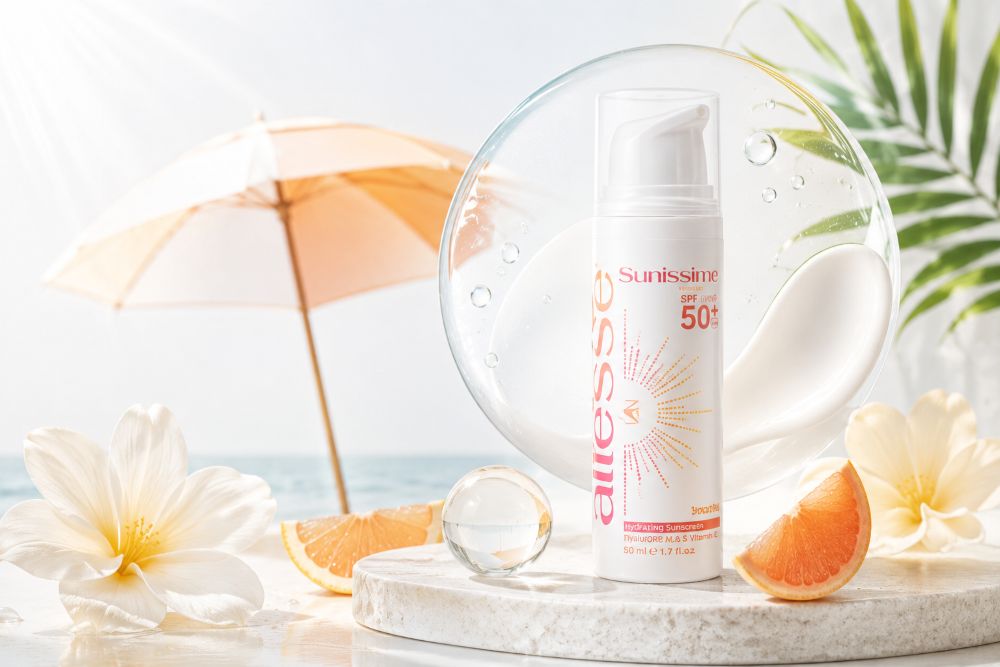
Altesse Soin's Sunissime collection offers two complete solutions with SPF50+ protection, combining superior UVA/UVB defense with deep hydration, both designed for daily use under makeup without any white cast or greasy feel.
Sunissime Hydrating Daily Sunscreen SPF50+ 50ml
The direct answer for anyone searching for a moisturizing face sunscreen SPF 50, combining superior protection with deep hydration.
Key Ingredients & Benefits
-
Protection against up to 98% of UVB rays plus broad-spectrum UVA coverage
-
Hydrating ingredients that nourish skin and prevent the dryness common with traditional sunscreens
-
No white cast and no greasy shine
-
Ideal for wear under makeup without causing foundation to separate
When Will You See Results?
Immediate protection from the first application, with reapplication needed every 2 to 3 hours during direct sun exposure.
How to Use
-
Apply as the last step after your moisturizer and before makeup
-
Cover your face and neck fully, even on cloudy days
The first line of defense in any daily skincare routine.
Protect and hydrate your skin in one step with Sunissime Hydrating Daily Sunscreen SPF50+ 50ml, available now.
Sunissime Anti-Aging Daily Sunscreen SPF50+ 50ml
Combines strong sun protection with anti-aging care in a single product.
Key Ingredients & Benefits
-
Broad-spectrum UVA/UVB protection (80% of visible signs of aging are caused by the sun)
-
Hydrating, nourishing ingredients that support skin elasticity
-
Lightweight texture that absorbs quickly with no greasy or white residue
-
Fully compatible with makeup with no effect on its staying power
When Will You See Results?
Effective protection from the first application, with reapplication every 2 to 3 hours during direct sun exposure.
How to Use
-
Apply a generous amount to your face and neck each morning
-
Don't skip it on cloudy days or indoors near windows
The single most important investment in any anti-aging routine, regardless of age.
Fight visible signs of aging at the source with Sunissime Anti-Aging Daily Sunscreen SPF50+ 50ml, available now.
FAQ
Is a moisturizing face sunscreen SPF 50 suitable for daily use?
Yes, it suits daily use if it's broad-spectrum, matches your skin type, and is applied generously with reapplication during sun exposure.
Is SPF 50 better than SPF 30?
SPF 50 offers a higher level of protection, but correct application and reapplication matter more than the number alone. Medical guidance recommends a minimum of SPF 30 with broad-spectrum protection.
Do I need a moisturizer before a moisturizing sunscreen?
Not always; it depends on how dry your skin is and the product's texture. Dry skin may benefit from a light moisturizer first, while oily skin may be fine with just the hydrating sunscreen formula.
Can sunscreen go over makeup?
It can, but it's best to apply a proper base layer before makeup. For reapplying later, use a suitable format like a lightweight fluid or a product designed for reapplication without disturbing your makeup.
How often should I reapply sunscreen?
Reapply every two hours during outdoor exposure, or immediately after swimming, sweating, or towel-drying your face.
Does water-resistant sunscreen not need reapplying?
No. Water resistance lasts for a specific time, usually 40 or 80 minutes, and needs reapplying after that or once your skin dries with a towel.
Is a tinted fluid sunscreen a substitute for foundation?
It can offer light coverage and a subtle tone correction, but it isn't necessarily a full substitute for foundation — the result depends on the formula and coverage level.
Can I use sunscreen around the eyes?
Yes, if the instructions allow it, but apply gently and avoid getting it in your eyes. If it causes repeated stinging, choose a gentler formula made for sensitive skin.
Should I use it indoors?
It's useful when sitting near windows or exposed to daylight for extended periods, especially if your routine includes treatments that increase skin sensitivity.
Can children use the same sunscreen?
Children's needs vary by age and skin condition, so it's best to choose a product made for them or ask a pediatrician or dermatologist if there's sensitivity or very young age involved.
How do I know a sunscreen doesn't suit my skin?
If you notice persistent itching, strong stinging, redness, swelling, or inflamed breakouts after use, stop it and see a doctor if symptoms are severe or ongoing.
Does sunscreen fully prevent pigmentation?
It doesn't guarantee complete prevention, but it's a major part of prevention when used consistently alongside reduced direct sun exposure and any treatment routine recommended by a doctor.
Continue Building Your Routine
Sunscreen works best as part of a complete routine. If you're also dealing with uneven tone, take a look at our guide on vitamin C serum results, and if your skin tends to get irritated easily, our article on cica serum daily use walks through how to calm it safely. For deeper hydration, see what hyaluronic acid benefits your skin can get, and if underarm care is also on your list, check out our guide to the best deodorant for dark underarms.
We're Here for You — Always
Do you have a question about our products? Need personalized advice to choose the right routine for your skin? We'd love to be part of your beauty journey.
The Altesse Soin team is ready to hear from you and support you every step of the way.
WhatsApp: https://wa.me/201001143374
Email: info@altessesoin.com
Phone: +2 010 0114 3374
Medical References
-
American Academy of Dermatology — choosing a broad-spectrum, water-resistant sunscreen with SPF 30 or higher
-
U.S. Food and Drug Administration — guidance on sunscreen use and reapplication after exposure, swimming, and sweating
-
StatPearls / NCBI Bookshelf — the role of photoprotection in reducing UV damage and photoaging