Do you still smell after a shower? Or find sweat marks on your clothes even though you wear deodorant? You may simply be using a product that doesn't match your problem. Deodorant and antiperspirant sound similar, but they work in different ways. This guide explains how each one works, the types available, how to apply them properly, whether you can use both, and when sweating deserves a doctor's attention.
What Is the Difference Between Deodorant and Antiperspirant?
Deodorant controls body odor, while antiperspirant reduces how much sweat reaches the skin's surface. Body odor usually comes from bacteria on the skin breaking down sweat, so deodorant targets the smell, and antiperspirant (which typically contains aluminum-based compounds) reduces wetness. Some products do both.
If odor is your main complaint, a deodorant may be enough. If wetness and sweat marks bother you, an antiperspirant is usually the better fit.
Deodorant vs Antiperspirant: Side-by-Side Comparison
|
Antiperspirant |
Combined Product |
||
|
Main goal |
Reduce or mask odor |
Reduce sweat reaching the skin |
Both |
|
Reduces sweating? |
Usually no |
Yes, temporarily |
Yes, if it contains an antiperspirant active |
|
Typical active ingredient |
Fragrance, odor-controlling ingredients |
Aluminum-based compounds |
Both types |
|
Best for |
Odor, normal sweating |
Wetness, sweat marks, heavy sweating |
People who need both functions |
|
Main caution |
Fragrance can irritate some skin |
May irritate some skin; follow directions |
Check the active ingredients |
Note that the product's format (spray, roll-on, stick) doesn't tell you its function. A roll-on can be a deodorant, an antiperspirant, or both, so read the label.
What Types of Deodorants and Antiperspirants Are There?
Deodorant types
|
Type |
Pros |
Things to Know |
|
Easy, direct application; many formulas |
Let it dry before dressing |
|
|
Spray |
Fast, dries quickly, no direct contact |
Use in a ventilated space and avoid inhaling the mist; don't share the can |
|
Stick |
Portable, easy to apply |
Friction varies by formula |
|
Cream or gel |
You control the amount; light or rich textures |
Stop if it irritates your skin |
Antiperspirant types
|
Type |
Pros |
Things to Know |
|
Roll-on |
Easy to apply, reduces wetness |
Let it dry before dressing |
|
Spray |
Quick to apply |
Use in a ventilated space |
|
Stick |
Portable, easy for daily use |
Choose the texture and scent you prefer |
|
Clinical-strength |
Higher level of active ingredient for heavier sweating |
Follow directions closely to limit irritation; ask a doctor for persistent heavy sweating |
How Do You Choose Between Them?
Choose based on your main problem and skin tolerance.
-
If your problem is odor: pick a deodorant that suits your skin.
-
If your problem is wetness: look for an antiperspirant with a suitable active.
-
If your skin is sensitive: choose a formula suited to sensitive skin, ideally fragrance-free if scents irritate you, and avoid it on irritated or injured skin.
-
If sweating is heavy: ask a dermatologist about options, especially if it affects daily life.
What Are the Benefits of Deodorant and Antiperspirant?

The right product improves comfort and confidence, but it doesn't replace washing or clean clothes.
-
Less body odor: Deodorants reduce or mask odor depending on the formula.
-
Wetness control: Antiperspirants reduce sweat and moisture marks on clothes.
-
Feeling fresh: Helpful in hot weather and during activity.
-
Supports hygiene: Helps manage odor but doesn't replace washing your underarms and changing clothes.
-
Options for different skin: Formulas exist for sensitive skin.
-
Convenience: Some products combine both functions in one step.
Results depend on the active ingredients, how you apply the product, and how much you sweat. If sweating is heavy or interferes with daily activities, a dermatologist can find the cause and the right treatment.
How to Use Deodorant and Antiperspirant Correctly

Correct application improves results and lowers the chance of irritation, especially with antiperspirants.
-
Clean the area: Wash the underarm gently to remove sweat and old product.
-
Dry thoroughly: Moisture can increase irritation and interferes with some antiperspirants.
-
Check your skin: Don't apply to cuts, irritation, or rashes.
-
Use the right amount: Follow the label; more doesn't work better.
-
Pick the right timing: Some antiperspirants work best when applied at night to dry skin. Follow the instructions for your formula.
-
Let it dry: This reduces transfer to clothing.
-
Stick to the recommended frequency: Don't reapply just because you're worried about sweat or smell.
-
Watch for reactions: If burning or persistent redness appears, stop and seek advice.
Tip: Prescription-strength or clinical antiperspirants may be applied nightly at first, then less often as sweating comes under control. Follow your doctor's instructions.
Can You Use Deodorant and Antiperspirant Together?
Yes, when you need to, because they do different jobs. But if one product does both, you may not need two.
-
Antiperspirant: Reduces how much sweat there is.
-
Deodorant: Reduces or masks odor.
-
Combined product: One product that does both and can be the simplest option.
If you use them separately, follow each product's directions and avoid overuse, particularly if your skin is sensitive. Stop any product that causes ongoing redness or irritation.
Which Altesse Soin Product Fits Here?

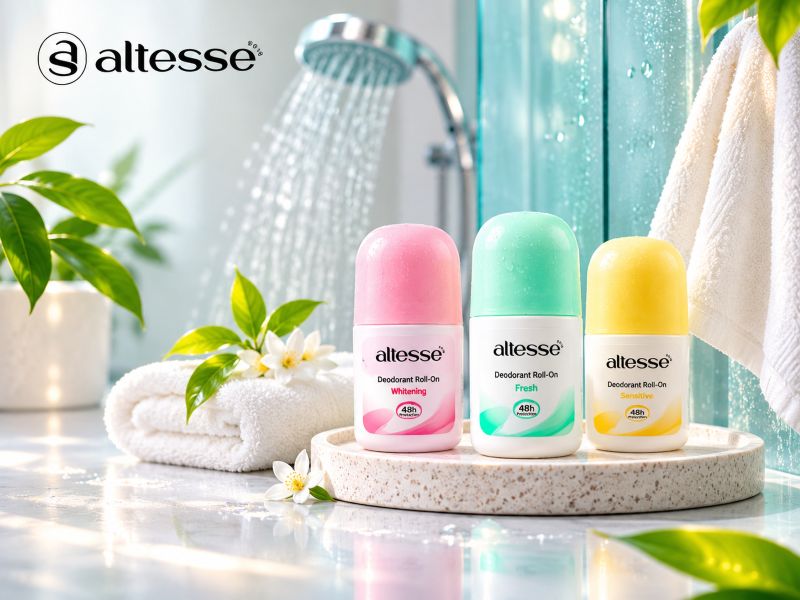
Altesse Soin offers the Sérénité Roll-On Deodorant (50 ml). A roll-on is easy to use and suits daily routines. According to the product description we found, it is positioned as a dermatologist-tested formula for all skin types including sensitive skin, with odor protection and underarm care claims. The listed ingredients include Capislow ph, dermawhite wf c, papaya fruit extract, and licorice root extract.
Before adding it to your routine, check the official product page for the full ingredient list and directions, and whether it is fragrance-free or contains an antiperspirant active, since neither is stated in the description we reviewed. Remember that a deodorant targets odor rather than sweat volume. Let it dry before dressing, and avoid applying it to irritated skin or right after hair removal.
Common Mistakes When Using Deodorant or Antiperspirant
|
Mistake |
What to Do Instead |
|
Applying to damp skin |
Dry the area well first |
|
Using too much |
Follow the label; more product isn't more effective |
|
Using antiperspirant on irritated skin |
Wait for skin to heal, especially after hair removal |
|
Confusing the two functions |
Deodorant targets odor, antiperspirant targets wetness |
|
Ignoring the ingredient list |
Check ingredients if your skin is sensitive or has reacted before |
|
Ignoring ongoing symptoms |
See a dermatologist if irritation recurs or sweating is excessive |
Tip: Choose a product that matches your need and use it as directed. Stop using any product that causes ongoing irritation.
How Do Results Show Up, and When?
You may notice odor control from the first use of a deodorant, while the reduction in sweating depends on the type of antiperspirant, its formula, and how you apply it.
|
Timeframe |
What to Expect |
|
First use |
Odor may improve; an antiperspirant may start reducing sweat |
|
Following days |
You can judge how well odor or wetness is controlled in daily activity |
|
Several weeks |
Regular use of a treatment antiperspirant may show its full effect, especially in heavy sweating |
|
If the problem persists |
You may need a different product or a medical check to find the cause |
Results vary by product and how you use it. If you see no improvement, review your application, try a more suitable product, and see a doctor if sweating is heavy or disrupts daily life.
Common Myths About Deodorant and Antiperspirant
|
Myth |
Reality |
|
They do the same thing |
Deodorant targets odor; antiperspirant reduces the amount of sweat |
|
Sweating is bad and should be stopped completely |
Sweating is natural and helps regulate body temperature; antiperspirant only reduces it in the area applied |
|
A strong scent means a stronger product |
Effectiveness depends on ingredients and formula, not scent strength |
|
All deodorants irritate skin |
Skin reacts differently to different ingredients, so choose a suitable formula and stop if irritation appears |
|
Antiperspirants stop your body from releasing toxins |
There is no reliable evidence for this; the liver and kidneys handle waste elimination |
Which Is Better: Deodorant or Antiperspirant?
Neither is better for everyone; it depends on the problem you want to solve.
-
Deodorant suits you if odor is your main concern and you don't need to reduce sweat.
-
Antiperspirant suits you if you want less wetness under your arms.
-
A combined product suits you if you need both.
Consider your skin type and the product's ingredients, and follow usage instructions to reduce the chance of irritation. If you sweat heavily enough that it affects daily activity, a dermatologist can help.
Daily Routine
Morning
-
Wash the underarms gently and dry thoroughly.
-
Use deodorant for odor, or antiperspirant for wetness (or a combined product).
-
Wear clean, breathable clothing, especially in hot weather.
Evening
-
Gently clean off sweat and product residue.
-
If you use an antiperspirant, apply it at night to fully dry skin when the label recommends it.
-
Stop any product that causes ongoing irritation.
Remember: Consistency and the right product matter more than using many products.
Quick Facts
-
Deodorant reduces or masks body odor and usually doesn't reduce sweating.
-
Antiperspirant temporarily reduces how much sweat reaches the skin and often contains aluminum compounds.
-
Body odor usually comes from bacteria on the skin interacting with sweat.
-
Combined products do both jobs.
-
Best timing depends on the product; some antiperspirants work best at night on dry skin.
-
Sensitive skin may react to fragrance or other ingredients, so choose a suitable formula.
-
Safe use means avoiding injured or irritated skin and stopping if irritation continues.
-
Sweating is a normal function; antiperspirant doesn't stop it completely.
When to See a Doctor
Seek emergency help for difficulty breathing, swelling of the tongue or throat, or feeling faint after using a product. See a dermatologist if irritation keeps coming back, if you sweat heavily enough to affect daily life, if sweating suddenly increases, or if body odor changes noticeably without an obvious reason.
Related Reading
-
Best Deodorant for Dark Underarms: if underarm darkness is also a concern.
Summary
Deodorant and antiperspirant solve different problems: one handles odor, the other handles sweat. Pick the one that matches your concern, or a combined product if you need both. Apply to clean, dry, healthy skin, follow the directions, and stop if irritation develops. If heavy sweating persists despite suitable products, see a dermatologist.
For questions about Altesse Soin products, contact us:
-
WhatsApp: https://wa.me/201001143374
-
Email: info@altessesoin.com
-
Phone: +2 010 0114 3374
Frequently Asked Questions
1. What is the difference between deodorant and antiperspirant?
Deodorant reduces or masks body odor, while antiperspirant reduces the amount of sweat reaching the skin. Some products do both.
2. Which is better, deodorant or antiperspirant?
It depends on your need. If odor is the problem, deodorant may be enough. If you want to reduce wetness, antiperspirant is usually the better choice.
3. Can you use deodorant and antiperspirant together?
Yes, if the products suit your skin. You may not need both if one product handles both jobs. Follow each product's directions to avoid irritation.
4. Does antiperspirant stop sweating completely?
No. It reduces sweat in the area where you apply it. Sweating remains an important way for your body to regulate temperature.
5. Is aluminum in antiperspirant safe?
The available evidence doesn't show an established causal link between normal use of these products and breast cancer or Alzheimer's disease. Some people can still get local skin irritation.
6. What is the best deodorant for sensitive skin?
A fragrance-free formula can be a good option for people who react to scents. Check the ingredient list and stop using it if redness or itching persists.
7. Can you use antiperspirant every day?
Many can be used daily according to the label, though how often depends on the formula and the active ingredient level. Treatment-strength products may have special instructions.
8. When should you apply antiperspirant, morning or night?
It depends on the product. Some work best when applied at night to dry skin. Follow the directions for your product.
9. Why do I still smell even after using deodorant?
The product may not suit your needs or may not control odor well enough, or clothing and hygiene may be factors. Review your routine, and see a doctor if a strong, unusual odor persists.
10. Do you need prescription antiperspirant?
You might if sweating is heavy, disrupts daily life, or over-the-counter products don't work. A dermatologist can help find the cause and recommend options.
11. Can antiperspirant irritate underarm skin?
It can in some people, especially on damp, shaved, or injured skin. Dry the area, avoid applying right after hair removal, and stop if irritation continues.
12. Does a stronger scent mean a better deodorant?
No. Effectiveness depends on the formula and ingredients, not scent strength, and fragrance can irritate some skin.
13. Do antiperspirants stop the body from releasing toxins?
There is no reliable evidence for this idea. The liver and kidneys are the body's main waste-processing organs.
14. Does sweating a lot mean something is wrong?
Not always. But excessive sweating that affects daily activities, or a sudden change, should be checked by a doctor.
15. Can I use the same product on my whole body?
Use products designed for the underarm area as directed. Don't use underarm products over large areas of skin unless the label allows it.