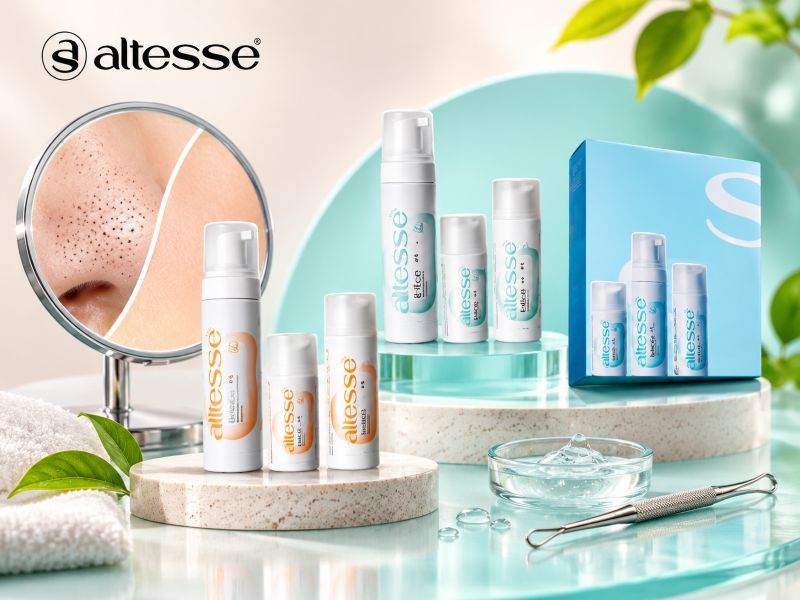
Visible pores around your nose, cheeks, or forehead can make skin look uneven and make makeup sit badly. The good news is that you can make pores look smaller. The honest news is that you can't close them for good. This guide explains what makes pores look bigger, the routine and ingredients that help, which in-clinic treatments are worth considering, and which popular tips to skip.
How Do You Treat Large Pores on Your Face?
You can't permanently shrink pores, but you can make them look smaller. The most effective approach combines a gentle cleanser, an ingredient that helps clear clogged pores (such as salicylic acid or niacinamide), a lightweight non-comedogenic moisturizer, and daily broad-spectrum sunscreen. A dermatologist can add options like retinoids, chemical peels, microneedling, or laser if home care isn't enough.
What Are Pores, and Why Do They Look Large?

Pores are natural openings in the skin that release oil (sebum) and sweat, and they can't be opened or closed like doors. They look larger when oil, dead skin cells, genetics, or reduced skin firmness make their edges more visible.
The main reasons pores look bigger:
-
Oily skin: More sebum makes pores more visible, especially on the nose, forehead, and chin.
-
Genetics: Your genes influence pore size and oil production, so pores can be visible even with a perfect routine.
-
Buildup in pores: Oil and dead cells can clog pores and create blackheads and whiteheads, which stretch pore openings.
-
Aging: Less collagen and elastin lowers skin firmness, so pores can look wider.
-
Sun exposure: UV rays damage skin structure, which can make pores more noticeable.
-
Unsuitable products and recurring breakouts: Pore-clogging products and repeated inflammation can add to the problem.
Do Large Pores Mean Dirty Skin?
No. Pores can be visible because of genetics or skin type even with great hygiene. Over-washing and scrubbing can irritate skin and make pores look worse, not better.
Why Is It Worth Addressing Large Pores?
Treating the causes, such as buildup, oil, and sun damage, can improve texture and how smooth skin looks, though it won't erase pores.
-
Smoother texture: Clearing buildup can make the skin surface feel and look more even, and help makeup sit better.
-
Better oil control: Managing excess oil and preventing buildup reduces what makes pores stand out.
-
Fewer blackheads and breakouts: Keeping pores clear lowers the chance of congestion.
-
Healthier-looking skin: Sun protection and collagen support help skin look firmer over time.
-
More confidence: Many people simply feel better when their skin looks smoother.
Be realistic: results vary, and there's no reliable statistic that guarantees a fixed percentage of improvement. Consistent care improves appearance gradually.
What Are the Best Ways to Treat Large Pores?
The best approach depends on your skin type and what is making your pores visible. Most people do well starting with a simple, consistent routine.
-
Cleanse gently: Use a cleanser suited to your skin to remove oil and impurities without drying it out.
-
Use salicylic acid: This BHA is oil-soluble, so it can help clear clogged pores and reduce blackheads, especially on oily skin.
-
Try niacinamide: It may help balance the look of oil and support the skin barrier, which can make pores less noticeable for some people.
-
Moisturize every day: Choose a non-comedogenic moisturizer, even if your skin is oily.
-
Wear sunscreen daily: Protects collagen and limits UV damage that makes pores look larger.
-
Consider a retinoid: Retinol or prescription retinoids can help refine texture over time but may irritate, so introduce them slowly.
-
See a dermatologist for procedures when needed: Chemical peels, microneedling, and some lasers can improve the look of pores in suitable candidates.
Which Treatment Fits Your Skin Type?
Matching the approach to your skin type helps you avoid products that don't address your real issue.
|
Skin Type or Concern |
What Often Helps |
Be Careful With |
|
Oily skin |
Gentle cleanser, salicylic acid, niacinamide, light moisturizer |
Harsh scrubbing and over-washing |
|
Dry skin |
Hydration and barrier support first |
Strong exfoliants before the barrier is healthy |
|
Sensitive skin |
One new product at a time, fragrance-free formulas |
Strong acids and rough scrubs during irritation |
|
Acne-prone skin |
Treating breakouts and congestion, since they make pores more visible |
Pore-clogging products, squeezing |
|
Skin prone to dark marks |
Gentle options and professional guidance before peels or lasers |
Procedures that cause irritation, which can darken skin |
|
Scarring or deep marks |
A dermatologist's assessment |
Assuming a procedure suits you because it worked for someone else |
Tell your doctor which products and medicines you use, plus any allergies and past procedures. Don't use a prescription meant for someone else, and don't start a strong treatment just because it worked for another skin type.
What Is the Best Daily Routine to Make Pores Look Smaller?
Consistency beats a long product list. A simple routine reduces buildup and oil while protecting your skin barrier.
Morning
-
Cleanse: Gentle cleanser and lukewarm water, no scrubbing.
-
Active step (if needed): Niacinamide, if your skin tolerates it. Introduce new products one at a time.
-
Moisturize: A non-comedogenic moisturizer, even for oily skin.
-
Sunscreen: Broad-spectrum SPF 30 or higher.
Evening
-
Remove makeup and sunscreen gently.
-
Cleanse with a suitable cleanser.
-
Use one treatment step as directed (for example salicylic acid on selected nights).
-
Apply a moisturizer to reduce dryness.
You don't need to wash your face many times a day or use a harsh brush. If irritation appears, scale back to a gentle routine and see a dermatologist if it continues.
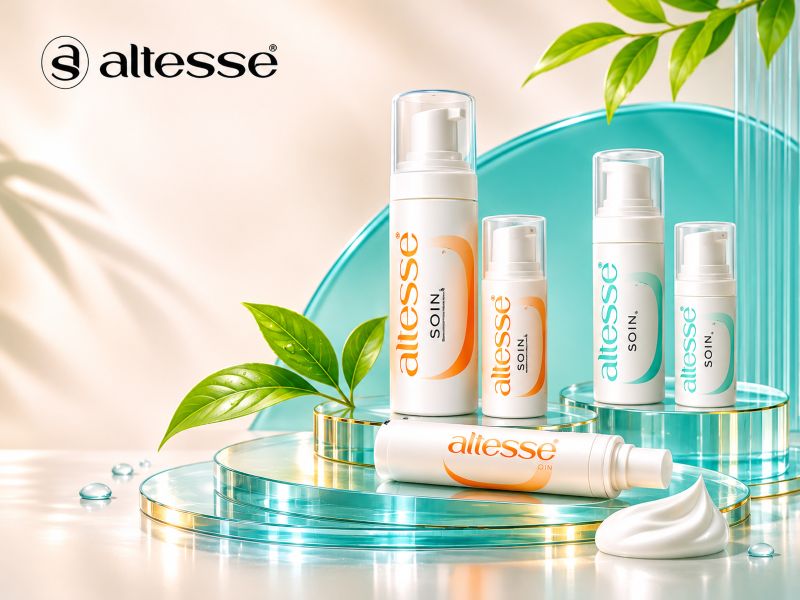
Which Altesse Soin Products Fit This Routine?

-
Cleanse: Altesse Cica Mild Foaming Cleanser for a gentle daily wash, or the Altesse Lustré Vitamin C & Niacinamide Foaming Cleanser if tone and dullness are also concerns.
-
Niacinamide step: Altesse Lustré Vitamin C & Niacinamide Brightening Serum. Combines niacinamide with vitamin C. Introduce it on its own and follow the directions on the product page.
-
Moisturize: Altesse Soin Reservoir Moisturizing Gel Cream for lightweight hydration, or Altesse Cica Repairing Gel Cream if your skin feels irritated.
-
Hydrate: Altesse Soin Reservoir Hydrating Serum if skin feels tight or dehydrated.
-
Protect: Altesse Soin Sunissime Sunscreen SPF50+ every morning, which matters because sun damage makes pores look larger.
Add one new product at a time, particularly if your skin is sensitive. For a deeper look at serums specifically, see our guide to the best serum for large pores.
Which Ingredients Can You Combine, and Which to Avoid Together?
|
Combination |
Verdict |
Notes |
|
Niacinamide + salicylic acid |
Often works well |
Introduce gradually and watch for dryness |
|
Retinol + hyaluronic acid |
Usually fine |
Retinol renews skin; hyaluronic acid hydrates |
|
Vitamin C + exfoliating acids (AHA/BHA) |
Use with care |
Can irritate; consider using them at different times of day |
|
Retinol + strong exfoliating acids at once |
Avoid |
High risk of irritation, which can make pores look worse |
|
Pore-clogging oils such as mineral oil |
Avoid if you're congestion-prone |
Can contribute to buildup in some people |
Add each new active gradually and avoid stacking several at the same time. If you use prescription acne medication, ask your dermatologist or pharmacist how to combine products.
What In-Clinic Treatments Help With Large Pores?
Professional treatments can improve the look of pores for some people, but results, risks, and recovery vary and none is a permanent fix.
|
Treatment |
How It May Help |
Things to Know |
|
Chemical peels |
Reduce clogging and improve texture |
Choice and depth matter, especially for sensitive or pigmentation-prone skin |
|
Microneedling |
May improve skin texture and the look of pores |
Suitability depends on acne marks, pigmentation risk, and downtime |
|
Fractional laser |
May improve texture and firmness |
Results and recovery differ; may need several sessions |
|
Prescription retinoids |
Refine texture over time |
Can dry and irritate; avoid in pregnancy or when planning pregnancy unless your doctor advises otherwise |
Choose a qualified provider, especially if your skin is sensitive or prone to dark marks, since irritation can cause pigment changes.
When Will You See Results?

|
Timeframe |
What You Might Notice |
|
First days |
Skin feels clean and comfortable; no lasting change in pore size |
|
2 to 4 weeks |
Less congestion or oiliness with a suitable routine; skin may need time to adjust to actives |
|
6 to 12 weeks |
Gradual improvement in blackheads and texture with regular topical treatment |
|
After clinic procedures |
Results and recovery vary by treatment; several sessions may be needed |
These are estimates, not guarantees. Your dermatologist may adjust your plan if there's no improvement or if side effects appear.
Important: Don't judge a treatment in the first few days, and don't raise the strength or frequency to speed things up. Irritation doesn't mean it's working better, and it can make pores look more noticeable for a while.
Golden Tips for Making Pores Look Smaller
-
Cleanse gently twice a day with a suitable cleanser, without scrubbing.
-
Choose non-comedogenic products, especially for oily skin.
-
Moisturize daily to protect the skin barrier.
-
Wear sunscreen every day, SPF 30 or higher.
-
Introduce actives gradually, such as salicylic acid, according to your skin's tolerance.
-
Never squeeze pores. It can cause inflammation, marks, and scars.
-
Skip harsh DIY recipes, like lemon juice and gritty mixes.
-
Don't over-exfoliate. Too many acids cause redness and dryness, and make pores look larger.
-
See a dermatologist if pores come with acne, scars, or don't improve with home care.
Common Myths About Large Pores
|
Myth |
Reality |
|
Cold water closes pores permanently |
It may feel refreshing for a moment, but it doesn't change pore size |
|
Lemon juice is a safe natural pore treatment |
It can irritate skin and increase sun sensitivity, so avoid it on your face |
|
The more you exfoliate, the better |
Over-exfoliating can damage the skin barrier and cause redness, dryness, and dark marks |
|
Oily skin doesn't need moisturizer |
Oily skin needs hydration too, with a non-comedogenic formula |
|
Pores can be removed completely |
Pores are a normal part of skin; the goal is to reduce how visible they are |
|
Squeezing pores clears them |
It can cause inflammation and scarring and doesn't treat the cause |
|
Every cosmetic procedure suits every skin |
Suitability for lasers, peels, and microneedling depends on skin type, condition, and pigmentation risk |
Quick Facts
-
Pores are natural openings that release oil and sweat.
-
Genetics, oil production, and sun exposure affect how visible they are.
-
Gentle cleansing and non-comedogenic products can improve their appearance.
-
Salicylic acid may help reduce clogging and blackheads in some skin types.
-
Sunscreen helps protect skin firmness and limit damage that makes pores look larger.
-
Peels, lasers, and microneedling can help some cases, but results and risks vary.
-
Nothing closes pores permanently, and not everyone needs a procedure.
-
Avoid harsh scrubbing and squeezing, which cause irritation and scarring.
When to See a Doctor
Large pores on their own are rarely urgent, but accompanying symptoms can point to infection or a skin problem that needs assessment. Seek urgent care for severe pain, rapid swelling, or spreading redness with warm skin or fever, especially after a cosmetic procedure.
Book a dermatologist appointment if you have:
-
Persistent or painful, recurring acne
-
Scars or increasing marks after inflammation
-
A clear change in skin color after a peel or a new product
-
Irritation or burning that continues after stopping the product
-
No improvement after a reasonable period of suitable care
-
Interest in lasers, medium or deep peels, or microneedling
Don't treat severe inflammation with home remedies or extra exfoliants. If something unusual happens after a procedure, contact the provider who did it.
Related Reading
-
Best Serum for Large Pores: how to choose the right serum for pore appearance.
-
How to Use Niacinamide Serum for Your Face: steps, frequency, and layering.
-
Signs of a Damaged Skin Barrier: why over-exfoliating can backfire.
-
How to Care for Your Skin in Summer: oil and sweat control in hot weather.
-
Face Cream Order: the right order for layering your products.
Summary
You can't shrink pores for good, but you can make them look noticeably smaller by clearing buildup, controlling oil, protecting your skin from the sun, and avoiding irritation. Start with a gentle cleanser, an ingredient like salicylic acid or niacinamide, a lightweight moisturizer, and daily sunscreen. Be patient, since visible change takes weeks, and see a dermatologist if home care isn't enough.
For questions about Altesse Soin skincare, contact us:
-
WhatsApp: https://wa.me/201001143374
-
Email: info@altessesoin.com
-
Phone: +2 010 0114 3374
Frequently Asked Questions
1. How can you get rid of large pores fast?
Start with a gentle cleanser, a suitable moisturizer, and sunscreen, and add salicylic acid if your skin tolerates it. Nothing permanently shrinks pores within a day, but buildup can look better over weeks.
2. Can you get rid of large pores permanently?
No. Pores are a natural part of skin and can't be closed for good. You can reduce how visible they look by managing oil, clogging, and sun damage.
3. What is the best cleanser for large pores?
One that cleans without drying or irritating your skin. A salicylic acid cleanser may suit oily, blackhead-prone skin, while sensitive skin often needs a gentler option.
4. Does ice or cold water shrink pores?
It may give a brief tightening feel but doesn't change pore size, and rubbing ice directly on skin can irritate it.
5. Do chemical peels help large pores?
They can help reduce clogging and improve texture, depending on the type and depth. Have them done by a qualified professional, especially if your skin is sensitive or prone to dark marks.
6. Is microneedling or fractional laser better for large pores?
Neither is best for everyone. Both may improve texture and the look of pores, but the right choice depends on your skin, acne marks, pigmentation risk, and downtime.
7. Do oily products make pores bigger?
Some heavy or pore-clogging products can contribute to congestion in some people, but they aren't the only cause. Choose non-comedogenic products and watch how your skin reacts.
8. How long does it take to see results?
Congestion may improve in weeks, and topical treatments are usually judged after about 6 to 12 weeks. Clinic procedures may need several sessions, and results vary.
9. Is retinol suitable for everyone?
No. It can cause dryness and irritation, especially when starting or combined with exfoliants. Ask a professional, and avoid retinoids during pregnancy or when planning it unless your doctor advises otherwise.
10. Can natural home remedies treat large pores?
Some gentle ingredients may hydrate, but there's no good evidence that home remedies close pores. Avoid lemon juice, vinegar, and gritty scrubs, which can irritate.
11. Can niacinamide help with large pores?
It may help balance oil and support the skin barrier, which can make pores less noticeable for some people. It doesn't change pore size permanently.
12. Should you wear sunscreen if you have large pores?
Yes. UV damage weakens skin structure and can make pores look larger. Choose a lightweight, non-comedogenic broad-spectrum SPF 30 or higher.
13. Why are my pores so big on my nose?
The nose has many oil glands, so pores there are naturally more visible. Oil, buildup, and genetics all contribute.
14. Should you squeeze blackheads?
It's best not to. Squeezing can cause inflammation, dark marks, and scars. Use gentle clearing ingredients instead, or ask a professional for extraction.
15. When should you see a dermatologist about pores?
See one if you have painful or recurring acne, scarring, color changes after products or procedures, ongoing irritation, or no improvement with home care.