Does your deodorant leave you itchy, red, or worried about what's in it? The wrong product can turn a daily habit into a daily annoyance. This guide explains the types of deodorant, the real difference between deodorants and antiperspirants, what "aluminum-free" and "natural" actually mean, and how to choose a formula your skin tolerates.
What Is the Safest Deodorant for Sensitive Skin?
The safest deodorant for sensitive skin is one that controls odor without causing repeated irritation, ideally fragrance-free and free of any ingredient that has bothered you before. "Natural" and "aluminum-free" are not automatically gentler, and no label guarantees that a product suits everyone, so check the ingredients and patch-test first.
Deodorants reduce or mask body odor, while antiperspirants reduce the amount of sweat reaching the skin's surface. The American Academy of Dermatology notes that the right choice depends on your main goal: managing odor or reducing sweating.
What Types of Deodorant Are Available?
Types differ by formula and by what they are designed to do.
|
Type |
What It Does |
Best For |
Watch For |
|
Aluminum-free deodorant |
Targets odor without aluminum salts |
People who prefer to avoid aluminum |
Doesn't reduce sweating |
|
Fragrance-free deodorant |
Controls odor without added scent |
Sensitive skin, fragrance reactions |
Doesn't guarantee no reaction to other ingredients |
|
Natural deodorant |
Often uses starches, arrowroot, or plant ingredients |
People who prefer plant-based formulas |
Essential oils or baking soda can irritate some skin |
|
Cream deodorant |
Applied directly to the skin |
Those who prefer a cream texture |
Formula matters more than format |
|
Roll-on or stick |
Easy, direct application |
Everyday use |
Safety depends on the formula, not the shape |
|
Spray |
Convenient, no contact with the container |
People who dislike touching the applicator |
Fragrance, alcohol, and propellants can irritate sensitive skin |
|
Antiperspirant (or combined product) |
Reduces sweat as well as odor |
Heavy sweating |
May irritate some skin; follow directions |
Always separate the product that reduces odor from the one that reduces sweat. Choosing one doesn't guarantee the other function.
Why Does Choosing the Right Deodorant Matter?

The right choice helps control odor and lowers the chance of irritation, but it can't prevent allergies in everyone or guarantee that underarm darkening won't happen.
-
Less body odor: Sweat itself is mostly odorless; odor develops when it mixes with bacteria naturally living on skin. Some formulas reduce that odor, while fragrance only covers it up.
-
Less irritation: A fragrance-free formula, free of your known triggers, may reduce redness and itching.
-
Comfort for sensitive skin: A simple ingredient list may reduce exposure to things your skin doesn't tolerate.
-
Reduced irritation-related darkening: Avoiding repeated friction and inflammation may limit some causes of pigmentation, but darkening has other causes that may need medical assessment.
-
Easier daily care: A product that suits your skin means you aren't constantly reapplying or switching.
-
Comfort during activity: A deodorant may be enough for odor control in daily life, while heavy sweating usually calls for an antiperspirant.
-
Informed ingredient choices: Reading labels helps you know what a product does and what to avoid.
Is Aluminum-Free Deodorant Safer?
Not necessarily. There is no strong scientific evidence that antiperspirants containing aluminum increase breast cancer risk, and the National Cancer Institute's review found no evidence of a causal link. So choose based on how well a product suits your skin, how well it works, and how you use it, not on fear of a single ingredient.
Which Deodorant Suits Each Skin Concern?
Your choice depends on sensitivity, the ingredients you tolerate, and how much you sweat, not just skin type.
-
Sensitive skin: Pick a fragrance-free, dye-free formula and avoid ingredients that have caused irritation before.
-
Dry skin: Look for hydrating ingredients such as glycerin, and avoid products that cause tightness or stinging.
-
Skin prone to darkening: Focus on reducing irritation and friction. Deodorant is not a treatment for pigmentation.
-
Normal sweating: A regular deodorant may be enough if odor is the main concern.
-
Heavy sweating: An antiperspirant is usually more effective because it reduces how much sweat reaches the surface.
-
Plant-based preference: Try a natural formula with a clear ingredient list, watching for essential oils and baking soda, which irritate some people.
-
Recurring rash: Stop the suspected product and seek medical advice if the rash continues or returns.
Skin can react to natural ingredients as much as to synthetic ones, and a product that suits someone else may not suit you, even if it's labeled "for sensitive skin."
How to Choose the Best Deodorant for Your Needs
Choose based on what you need it to do, what it contains, how easy it is to apply, and how long it controls odor for you.
1. Decide what problem you're solving
If you only want to control odor, a deodorant may be enough. If you want to reduce wetness, look for a suitable antiperspirant.
2. Read the ingredient list
Don't rely only on marketing claims. Check for fragrance, dyes, alcohol, and any other ingredient that has irritated you.
3. Pick a format you'll use properly
-
Cream: For those who like applying it directly to skin.
-
Roll-on: Practical for daily use; let it dry before getting dressed.
-
Stick: Easy to apply, though friction varies by formula.
-
Spray: Convenient, but avoid inhaling the mist or spraying near the face.
4. Watch for fragrance and essential oils
Fragrance and essential oils can cause contact dermatitis in sensitive people. A fragrance-free product can be a useful step if you have recurring itching or redness.
5. Don't choose a deodorant to lighten your underarms
If darkness comes from irritation, removing the trigger may help over time. But darkening can also come from friction or other skin changes, so deodorant can't treat every cause.
6. Test your tolerance
Try the product on a small patch of healthy skin following the label, and watch for any unusual reaction. A home patch test can't rule out allergy completely, and you shouldn't apply products to inflamed or broken skin.
How to Use Deodorant Correctly

Apply to clean, dry skin, follow the directions, and avoid broken or irritated skin to get comfort and reduce unwanted reactions.
-
Clean the area: Use a gentle cleanser and lukewarm water, then rinse well.
-
Dry thoroughly: Pat with a soft towel without rubbing hard, since moisture and friction can add to discomfort.
-
Check your skin: Don't apply to cuts, scratches, or an active rash.
-
Use the right amount: Follow the directions on the label; more product doesn't mean more effect.
-
Let it dry: This limits transfer to clothing, especially with roll-ons and creams.
-
Avoid applying right after hair removal: Shaving or waxing can leave skin more prone to irritation. Wait until skin settles and is intact, following the product's guidance.
-
Watch for reactions: Stop if you get burning, itching, or a new rash, and don't try to cover symptoms with extra layers.
Tip: If you use an antiperspirant for heavy sweating, applying it at night to dry skin may work better, depending on the instructions. The AAD recommends this approach in many cases of excessive sweating.
Warning: Don't use lemon, vinegar, or household baking soda as guaranteed-safe deodorant substitutes. They can irritate, especially on sensitive skin or after hair removal.
What Can You Combine in an Underarm Routine?
You can pair deodorant with gentle skin care, but avoid layering scented products, exfoliants, and other irritants on this sensitive area.
Combinations That Usually Work
-
Deodorant and a gentle cleanser: Cleansing removes sweat and dirt, while deodorant deals with odor.
-
Deodorant and a simple moisturizer: A fragrance-free moisturizer may help dry skin, if your skin tolerates it and it doesn't clash with the product directions.
-
Deodorant and antiperspirant: You don't need two products if one does both jobs. If you use separate ones, follow each product's directions and avoid over-applying.
Ingredients to Treat With Caution
-
Fragrance and essential oils: May cause allergy or irritation in some people.
-
Baking soda: Used in some natural deodorants but can irritate some skin.
-
Exfoliating acids: Can add to irritation when combined with other products, especially after hair removal.
-
Alcohol: May dry or sting damaged or sensitive skin, depending on type, concentration, and the full formula.
What to Avoid
Don't apply deodorant directly over a strong exfoliant or on inflamed skin, and don't mix products inside the same container. Don't use lightening products not designed for the underarm to treat darkening. If you have recurring rashes or dermatitis, a dermatologist can identify the ingredients to avoid, which is better than trying random formulas.
When Will You See Results?
Odor control can show from the first use if the formula works for you, but improvements in irritation or darkening depend on the cause, and there's no single timeline.
|
Timeframe |
Possible Result |
What to Watch |
|
First use |
Less odor or a fresher feeling |
Itching, stinging, or redness |
|
First few days |
Clearer sense of whether the product suits you |
Odor holding up and any irritation |
|
1 to 2 weeks |
You can judge comfort in normal use |
Does irritation persist? Do you need a different product? |
|
Several weeks or more |
Irritation-related darkening may ease gradually |
Persistent darkening or new skin changes |
These timeframes are a guide, not a medical guarantee. A deodorant doesn't treat every cause of underarm darkening, and continuing a product that causes inflammation can make things worse.
If your goal is to reduce sweating itself, response time depends on the antiperspirant type, how you apply it, and how heavy your sweating is. Heavy, persistent sweating despite suitable products may need medical assessment.
Important: Don't keep using a product just to wait for improvement if you see signs of allergy or inflammation. Stop and seek advice if needed.
Common Myths About Deodorants
Natural products aren't always safe for everyone, aluminum isn't automatically harmful, and a deodorant doesn't necessarily stop sweat.
|
Myth |
Reality |
|
Natural deodorants never cause allergies |
Essential oils, plant extracts, and baking soda can irritate or sensitize some people; "natural" doesn't mean irritant-free |
|
Aluminum in antiperspirants causes breast cancer |
Available evidence doesn't show a causal link between aluminum-containing antiperspirants and breast cancer |
|
Deodorant stops sweating |
Its main job is odor control; antiperspirants reduce how much sweat reaches the skin |
|
Dark underarms always mean the deodorant is wrong |
Darkening can come from irritation, friction, or shaving, and also from other skin conditions; you can't tell the cause from color alone |
|
Strong body odor means poor hygiene |
Odor is influenced by natural bacteria, hormones, heat, activity, and some health conditions, so it doesn't prove poor hygiene |
Which Types Are Best? Natural, Aluminum-Free, and More
The best product is the one that meets your goal and that your skin tolerates, not necessarily the most popular or the most "natural."
Fragrance-free deodorant for sensitive skin
-
A sensible place to start if you've had irritation from scents.
-
Look for "fragrance-free" on the label.
-
It doesn't guarantee you won't react, but it may reduce exposure to a common trigger.
Aluminum-free deodorant
-
For people who prefer not to rely on aluminum salts to reduce sweating.
-
Can help control odor depending on the formula.
-
Don't expect it to reduce sweat the way an antiperspirant does.
Natural deodorant with a simple formula
-
May contain starch, arrowroot, or other plant-based ingredients.
-
Worth comparing if you like plant-derived ingredients.
-
Check that it's free of what irritates you, and don't assume all essential oils are gentle.
Antiperspirant
-
Better when reducing wetness is the priority.
-
The aluminum compounds in many of these reduce sweat reaching the skin.
-
Some formulas can irritate, so choose a suitable one and follow the directions.
How to decide: If odor is your problem, start with a deodorant suited to your skin. If heavy sweating is the issue, look for a suitable antiperspirant. If you keep getting irritation, finding the trigger matters more than swapping products with no plan.
Which Altesse Soin Product Fits This?
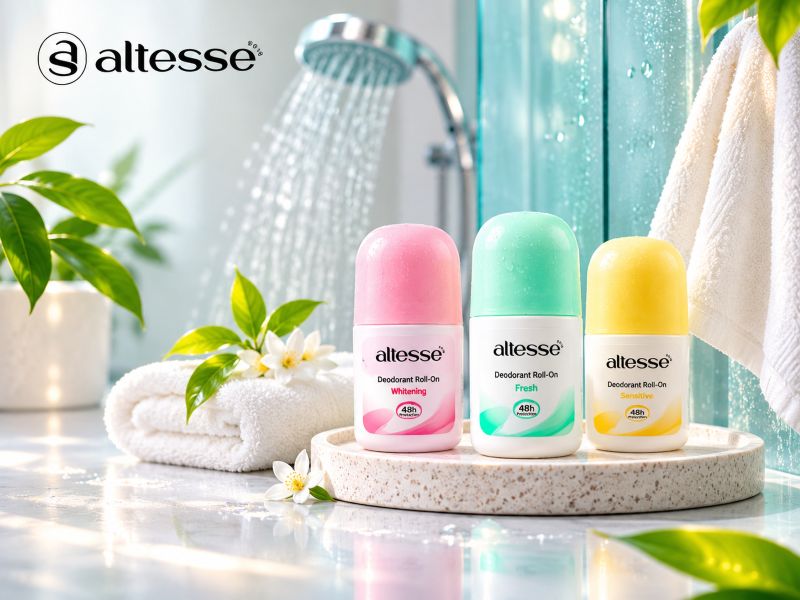
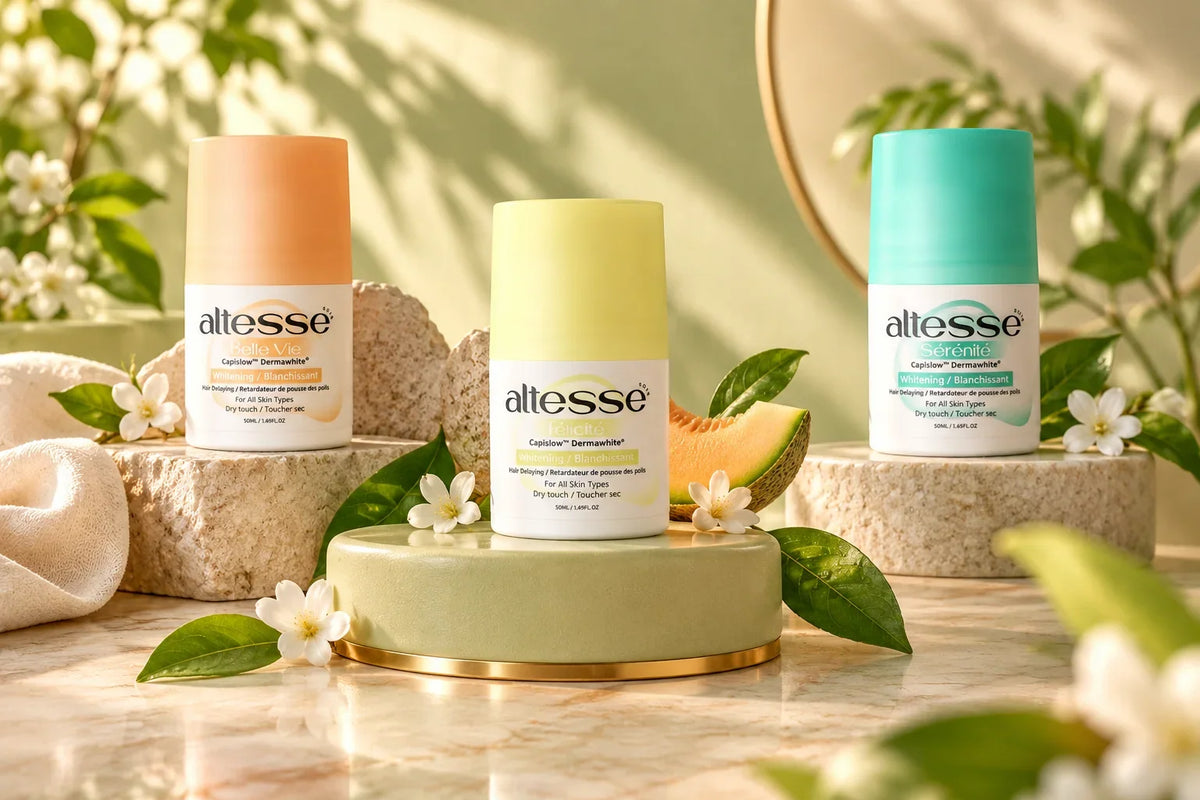
Altesse Soin includes a roll-on deodorant line. Roll-ons suit daily use and are easy to apply, but as noted above, what matters is the formula, so check the product page for the full ingredient list, whether it is fragrance-free, and the directions before adding it to your routine.
For the rest of an underarm and body routine:
-
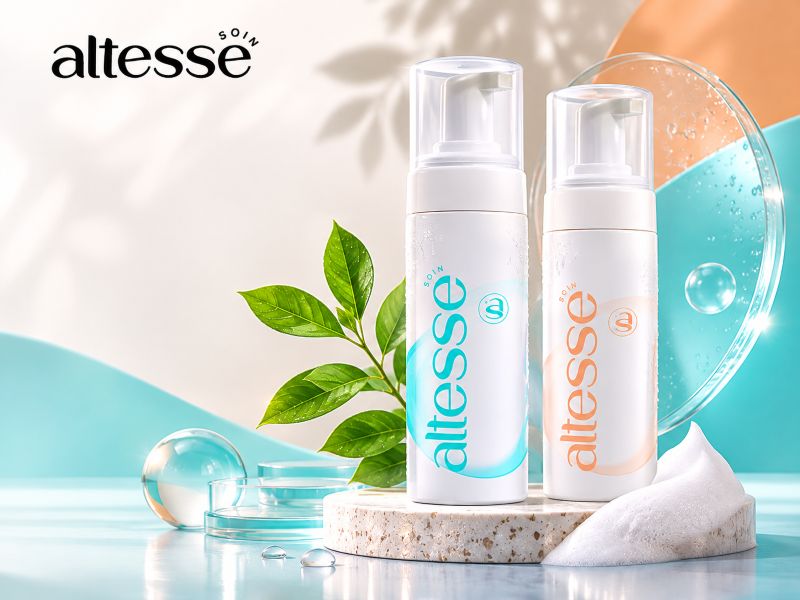
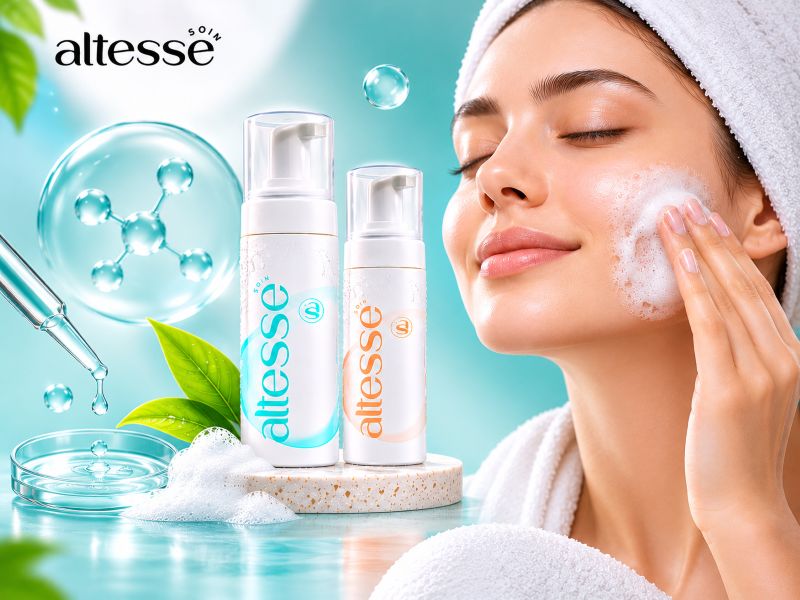
Use the Altesse Cica Mild Foaming Cleanser if you want a gentle wash on the face; for the underarm area, a mild, unscented cleanser is generally the better choice.
-
Let skin settle after shaving or hair removal before applying any deodorant.
As with any new product, introduce it on its own so you can tell how your skin responds.
Daily Underarm Care Routine
A good routine means gentle cleansing, drying skin, using one suitable product, and limiting friction and irritating ingredients.
Morning
-
Clean the area gently if needed, then dry without rubbing.
-
Apply deodorant to intact skin as directed.
-
Let it dry before dressing.
-
Wear breathable clothing if you sweat a lot.
Evening
-
Remove product residue and clean gently.
-
If you use an antiperspirant for heavy sweating, apply it at night to dry skin when the label recommends it.
-
Avoid exfoliants and fragrance if your skin is irritated.
-
Don't add lightening products just because of darkening; find the cause first.
Extra Tips
-
Don't change several products at once, so you can find the cause of any reaction.
-
Don't use deodorant to cover a new, unusual odor that persists despite good hygiene.
-
Don't rely on "natural" or "medical" labels alone.
-
Keep the product name and ingredients if you react, so you can discuss it with a dermatologist.
When to See a Doctor
Stop the product and get urgent assessment if you develop severe swelling, rapidly worsening pain, or a fast-spreading rash. Call emergency services right away for trouble breathing or swelling of the tongue or throat.
-
Trouble breathing, swelling of the tongue or throat, or feeling faint: may signal a severe allergic reaction. Call local emergency services immediately.
-
Marked swelling, severe pain, or rapidly spreading redness: needs urgent assessment, especially with fever.
-
Persistent rash or recurring itching: stop the product and see a dermatologist to check for contact dermatitis.
-
A lump in the armpit, unusual discharge, or lasting skin change: needs a medical exam, not an assumption that deodorant is the cause.
-
New heavy sweating or a sudden change in body odor: may need assessment, especially with other symptoms or if it affects daily life.
These symptoms don't necessarily mean something serious, but finding the cause early helps you choose the right treatment. Don't wait out a product trial if symptoms are severe.
Quick Facts
-
Deodorant targets odor, while antiperspirant reduces the amount of sweat.
-
Aluminum-free isn't automatically better for every skin type.
-
Natural products can still cause allergy or irritation.
-
Fragrance-free may help people sensitive to scents.
-
Deodorant doesn't treat every cause of underarm darkening.
-
Strong evidence doesn't support a causal link between aluminum-containing antiperspirants and breast cancer.
-
Ongoing irritation isn't a sign your skin needs more time to adjust; it's a reason to stop and find the cause.
Summary
Choosing a safe deodorant starts with your goal (odor or sweat) and your skin's tolerance, not with a trend or a single label. For sensitive skin, fragrance-free and simple formulas are a sensible start. Natural and aluminum-free products suit some people, but they can still irritate, and antiperspirants remain the more effective option for heavy sweating.
Apply to clean, dry, intact skin, avoid products right after hair removal, and stop at the first sign of inflammation. Persistent rashes, a new lump, or unusual sweating or odor deserve a medical check rather than endless product swapping.
For questions about Altesse Soin products, contact us:
-
WhatsApp: https://wa.me/201001143374
-
Email: info@altessesoin.com
-
Phone: +2 010 0114 3374
Frequently Asked Questions
1. What types of deodorant are safe for sensitive skin?
Choose a fragrance-free, dye-free formula and avoid ingredients that have irritated you before. No product can be guaranteed suitable for every skin type.
2. Is aluminum-free deodorant better for your health?
Not necessarily. It may suit people who prefer to avoid aluminum, but it usually doesn't reduce sweating, and strong evidence doesn't link aluminum-containing antiperspirants to breast cancer.
3. What's the difference between deodorant and antiperspirant?
Deodorant targets body odor, while antiperspirant reduces the amount of sweat reaching the skin. One product can do both.
4. Are natural deodorants completely safe?
No. Some plant ingredients, essential oils, and baking soda can cause irritation or allergy. Suitability depends on the formula and how your skin responds.
5. Can deodorant cause dark underarms?
Irritation from some products may lead to pigment changes in some people, but darkening has many causes, including friction, shaving, and some skin conditions, so deodorant isn't the only possible cause.
6. What's the best deodorant to reduce smell without reducing sweat?
A deodorant without an antiperspirant active, chosen with your skin's tolerance in mind. How well it controls odor varies from one formula to another.
7. Can you use deodorant after hair removal?
It's best to wait until the skin settles and is intact, since hair removal can make it temporarily more sensitive. Don't apply to injured or irritated skin.
8. How do you know if deodorant is causing an allergy?
Itching, redness, rash, or swelling at the application site may be signs. Stop the product, and see a dermatologist if symptoms persist or come back.
9. Can you use deodorant every day?
Many deodorants can be used daily as directed if they suit your skin and don't cause irritation. There's no need to use extra product or apply more often than directed.
10. What's the best option for heavy sweating?
An antiperspirant is often more effective than deodorant alone because it reduces sweat. If heavy sweating continues and affects daily activities, it may need medical assessment.
11. Are fragrance-free products better than scented ones?
They may be better for people with scent allergies or recurring irritation, but fragrance-free doesn't rule out reactions to other ingredients.
12. Does deodorant lighten dark underarms?
No, it isn't a pigmentation treatment. If irritation from a product caused the darkening, avoiding the trigger may help skin recover. Other causes may need diagnosis and separate treatment.
13. Can you use a deodorant and an antiperspirant together?
Yes, when needed, but consider both products' ingredients and directions. A single product that does both jobs may be simpler if it suits your skin.
14. Does strong body odor mean a health problem?
Not necessarily. Heat, activity, hormones, and natural bacteria affect odor. A sudden or persistent change, especially with other symptoms, deserves medical evaluation.
15. When should you switch deodorants?
Switch if the product keeps irritating you or doesn't work even when used correctly. If skin symptoms persist, identify the cause medically before trying new formulas.